
Paper Sleeves
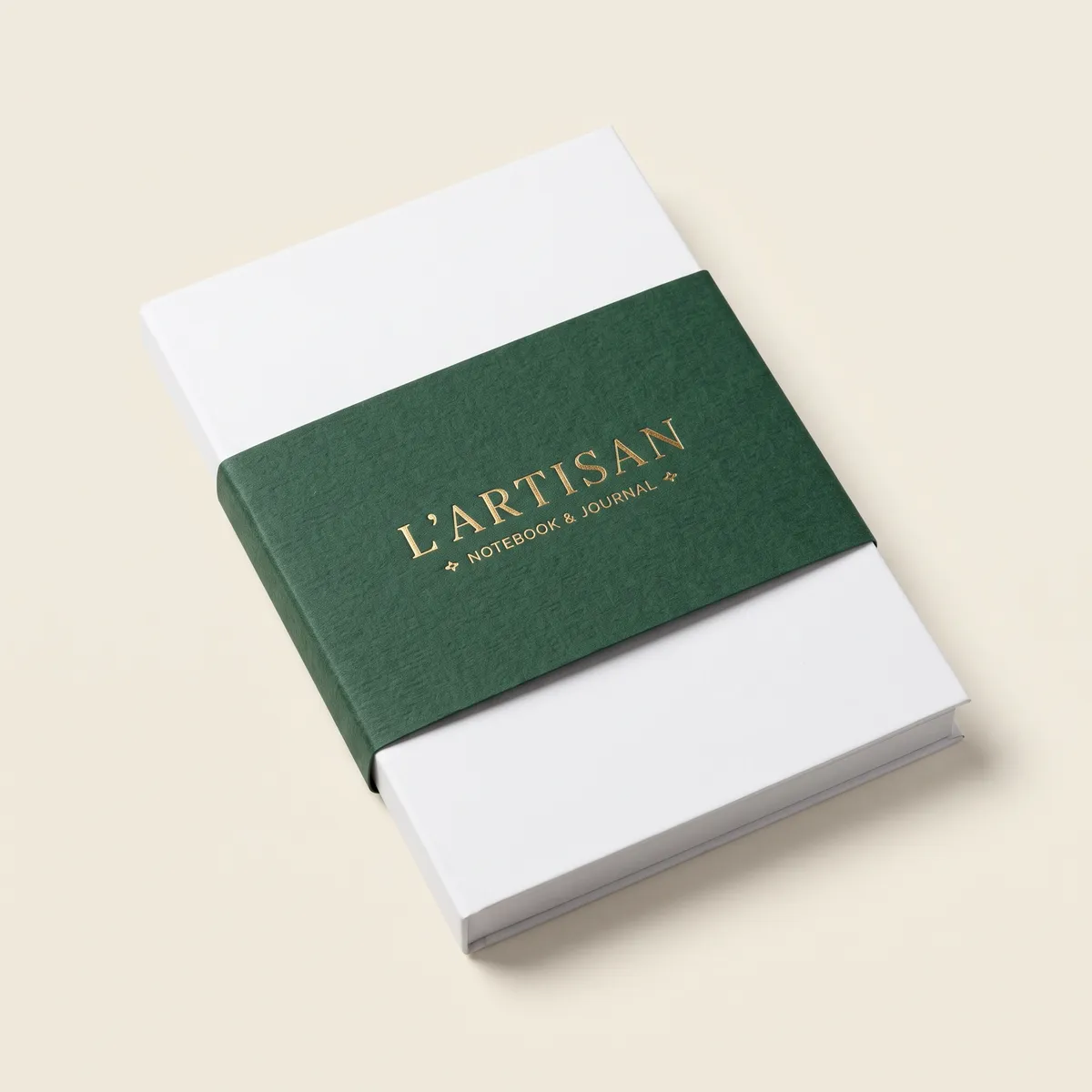
Paper sleeves use the least material of any wrap, which keeps unit cost down and also makes them among the easiest packaging to recycle, though certain coatings can affect that. On their own they protect very little, but over a tray or a wrapped product that's usually enough. The simple die and lightweight stock mean unit pricing drops meaningfully as quantities rise.


Ours are on Trustpilot, where we can't edit them or choose which ones you see.
Read them on Trustpilot →(opens in a new tab)Four stages, twelve days
Quote confirmed
A specialist checks your spec against the board and comes back with a firm price inside 4 business hours.
Proof approved
You get a flat dieline and a 3D render. Nothing goes to press until you approve it in writing.
On press
Print, die-cut, glue, and fold. You get a press-side photo the day your job runs.
QC and delivery
Every pallet is sampled against the digital proof or physical sample you approved, then shipped with tracking to your dock or 3PL.
If a box doesn't match the digital proof or physical sample you approved, we reprint the run at no charge.
Read the reprint terms →Know exactly what you're ordering.
Paper Sleeves for Runs Counted in Thousands
Paper sleeves are bought by people packing the same item many thousands of times: a tray of baked goods, a stack of tea packs, a multipack of bars. At those numbers, the difference between a paper band and a board sleeve shows up in the total spend and in how much packaging ends up in the bin. The paper sleeve does one job, which is to carry the brand and hold the pack together, and it is cut to do that with as little stock as possible. Buyers here have usually solved protection with the tray or wrap underneath, and want the outer layer as light and cheap as it can be while still carrying a clear printed face.
Paper Weight, Band Width and Finish for a Light Wrap
Paper sleeves are commonly run on kraft, a long-fiber unbleached paper whose brown is the natural pulp rather than a dye. The long fibers give a thin sheet more strength than its weight suggests.
| Spec | Detail |
|---|---|
| Stock | Commonly kraft paper |
| Weight | Lighter than board sleeve stock |
| Surface | Uncoated, or with a coating |
| Width | Narrow band to full wrap |
| Fit | Matched to the tray or pack |
Coating choice affects more than appearance. An uncoated paper sleeve recycles readily, while some coatings complicate that, so if you plan to print a recyclability claim, tell us before the stock is specified rather than after the proof.
When the Lightest Wrap Is the Right One
Paper wins whenever the sleeve is used once. A band around tea and coffee packs is slid off at home and recycled within the week, so stiffer board would add cost and waste without changing anything the buyer notices. The same reasoning applies to any high-volume product sold in a tray or already wrapped: the layer underneath protects, and the sleeve only has to identify. Paper also suits brands cutting material, since it is the lightest wrap available and among the simplest to recycle. Where it falls short is repeated handling. A paper sleeve slid on and off several times creases and tears, and on a retail shelf touched all day it scuffs. In those cases, board is the better spend.
Print That Suits a Thin Paper Band
Kraft absorbs ink into the fiber rather than holding it on top, and the brown base shifts every color printed over it. That makes one- or two-color print the natural fit: a dark logo and a single accent read clearly and cost less than full coverage. If a brand color has to match exactly, a white underprint restores accuracy at the cost of an extra pass.
Keep type and marks bold, since fine lines soften on uncoated paper. Foil works well on kraft and reads as deliberately craft, though on a sleeve meant to be cheap it's usually the first thing to cut. Avoid heavy laminates: they add cost and can affect how the sleeve recycles, which works against the reason for choosing paper.
Paper Sleeves on Trays, Multipacks and Wrapped Goods
Grocery and packaged food lines are the largest users: a band around a tray of pastries, a wrap over a sandwich pack, a sleeve on a stacked set of bars. Tea and coffee brands use paper bands on packs and gift tins. Soap makers sleeve bars with the ends exposed, which is about the lightest packaging a bar can have. Multipacks are another fit, where a paper band holds two or three units together and carries the offer. Brands launching a new flavor use a band to mark it on existing packs without reprinting them. What these buyers share is volume and a short life for the packaging, which is exactly where the least material makes the most sense.
How Unit Price Moves as a Paper Sleeve Order Grows
Paper sleeves are where volume pays off most clearly. The die is simple and the stock is light, so once setup is covered, each additional thousand costs noticeably less than the first. Ask for prices at two or three quantities when you request a quote, and the steps will show you where to order.
The minimum is 100 sleeves if you want to test a design first. Turnaround is 8–12 business days after proof approval, frequently shorter, and rush carries a surcharge we name first. Free samples are included above 10,000. Dies and setup are in the quote, shipping is included, each batch is checked at three stages, and anything that misses the approved proof is reprinted at our expense.
One connected process, start to finish.
Structural Design
Dieline drafted to your exact fit and freight tolerances.
Proof & Sample
Sign off on a digital proof, or request a physical sample.
Tooling
Dies and plates are cut for your job and archived on file.
Production
Print, die-cut, and assembly run under in-line quality checks.
Ship & Reorder
Freight goes out, and the cycle resets for your next run.
Steady process. Powerful results.
Like everything we build, our process is engineered to hold up — no shortcuts, no surprises. Five dependable stages that run the same way every single time, so reorders are just as fast as the first order.
- One dedicated teamFrom first sketch to final freight, the same people carry your order start to finish.
- Dies archived on fileReorders skip tooling and re-setup entirely — we already have your exact spec.
- Checked against your sign-offEvery run is inspected against the digital proof or physical sample you approved.
Set up your file once, correctly
Nine in ten delayed jobs are delayed by artwork, not production. Match these four rules and your proof lands the next morning.
- Bleed1/8 in (3 mm) past every cut line
- Safe ZoneKeep text 1/4 in clear of every crease
- ColourCMYK or named Pantone. No RGB.
- Resolution300 dpi at final size, fonts outlined
No print-ready file?
Send a logo and a rough idea. Our studio builds the production file free with any order over 500 units — you keep the source file either way.
Ask the StudioBackground art must run all the way to the outer bleed edge. Anything inside the white dashed line survives fold tolerance.

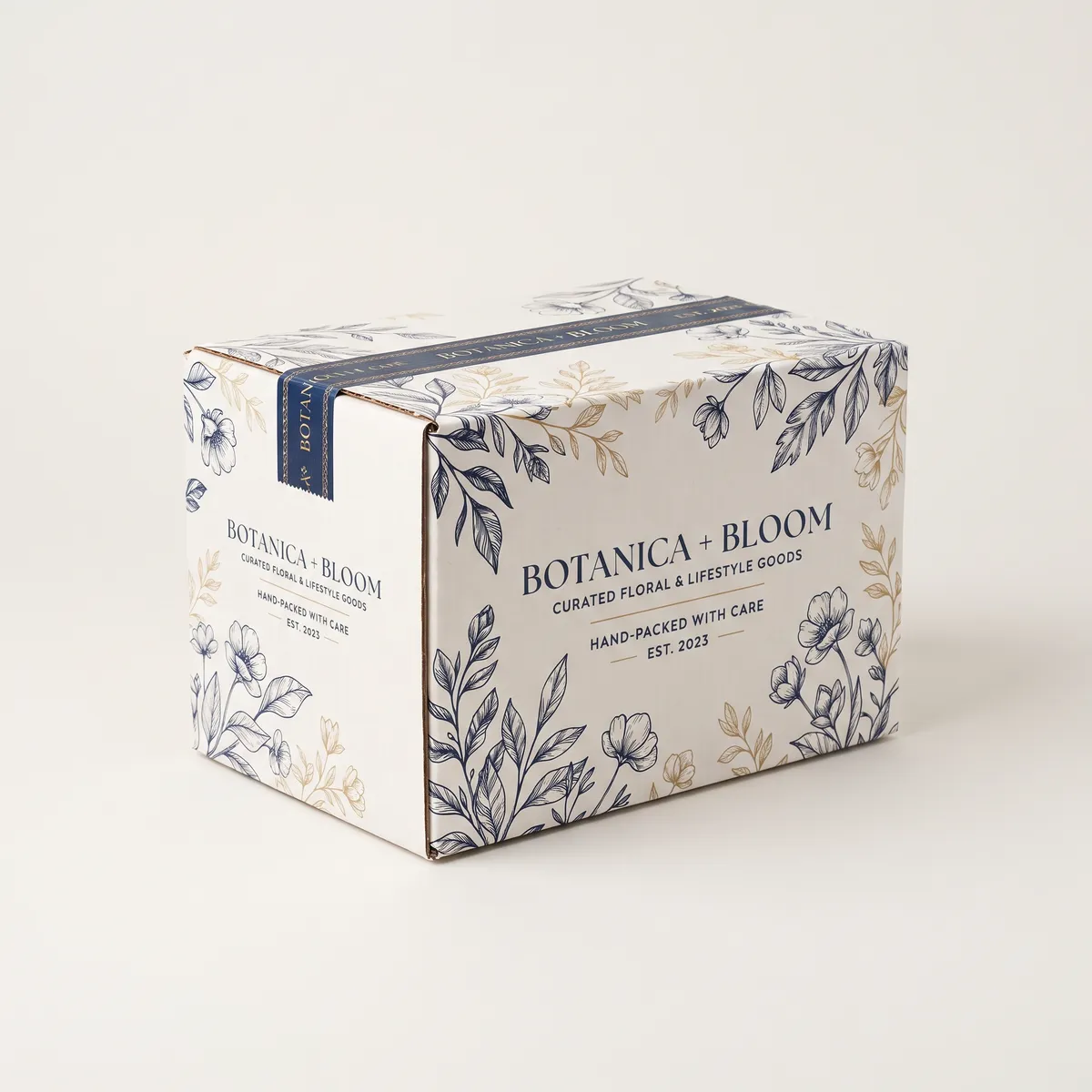

What brands say about this box
They live there rather than here, where we can't edit them, delete them, or pick which ones you get to see. That is exactly what makes them worth reading.
Read all reviews on Trustpilot(opens in a new tab)Answers before you have to ask.
How much protection does paper stock give?
Very little on its own — a sleeve holds and brands rather than protects. What's underneath does the protecting. For products already in a tray or wrapped, that's usually enough.
Can paper sleeves be recycled?
Yes, readily. Paper sleeves are among the easiest packaging to recycle, which is part of their appeal for brands reducing material. A coating can affect that depending on type.
Is paper stock too flimsy for retail?
Not for the right application. For sleeves over a tray or a wrapped product it's perfectly adequate, and it's what most food and volume retail uses. For heavier use, cardboard is better.
What's the lead time on paper sleeves?
Usually 8–12 business days once you approve the proof, and often quicker. Rush production is available at an added cost quoted first, shipping included.
Can paper sleeves be ordered in bulk?
Yes, and bulk is where they make most sense — the simple die and light stock mean unit price drops meaningfully as volume rises. We'll quote tiered pricing.