
Small Display Boxes
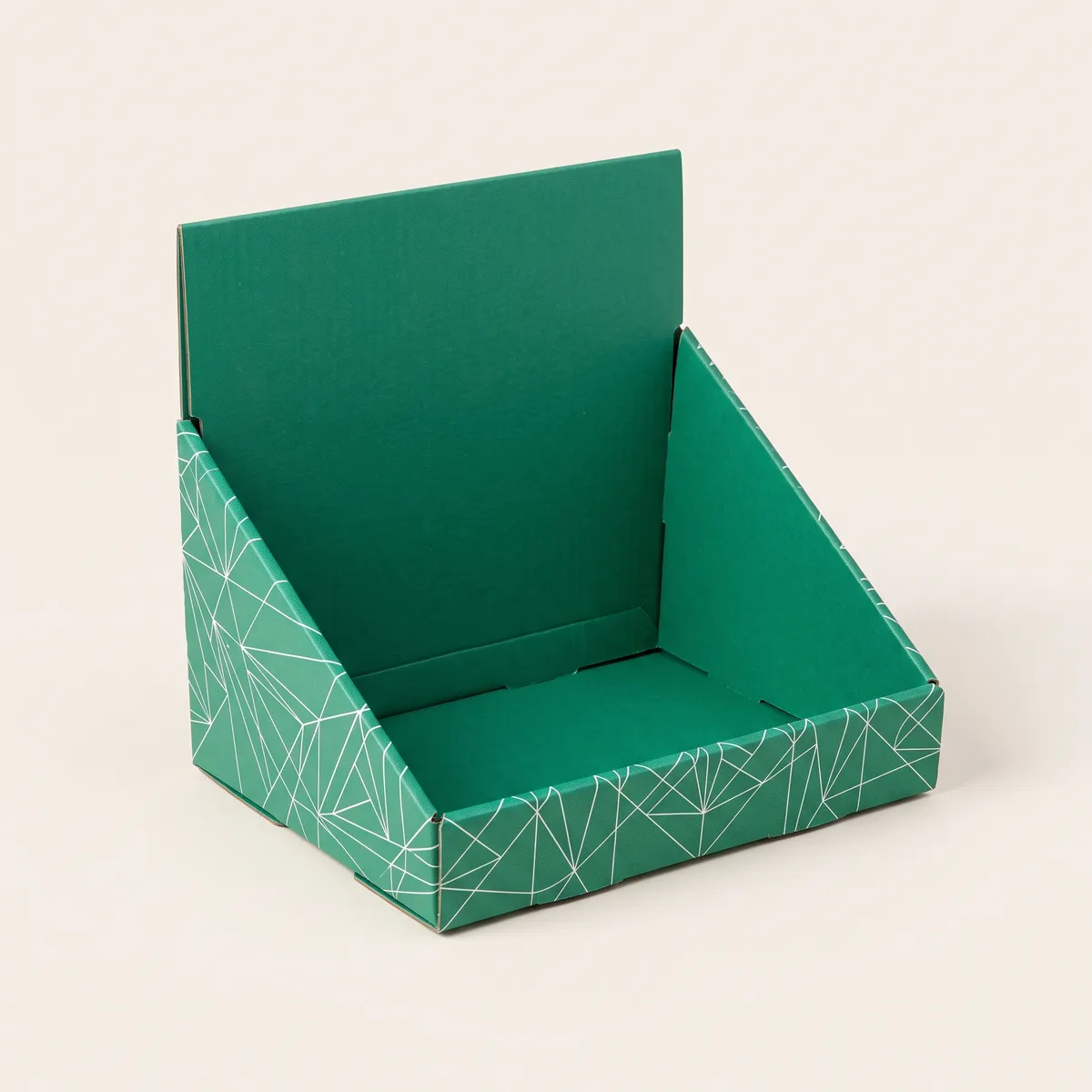
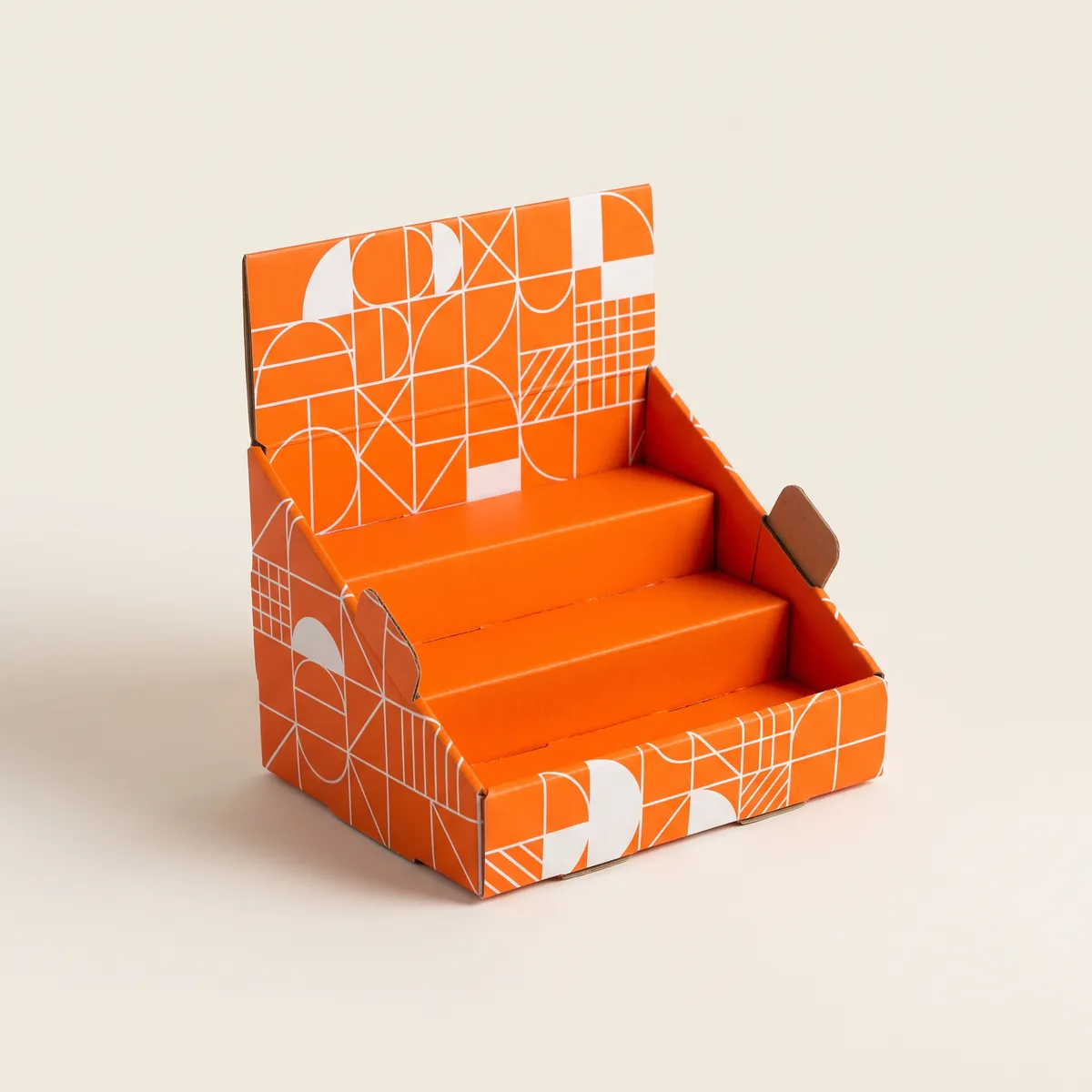
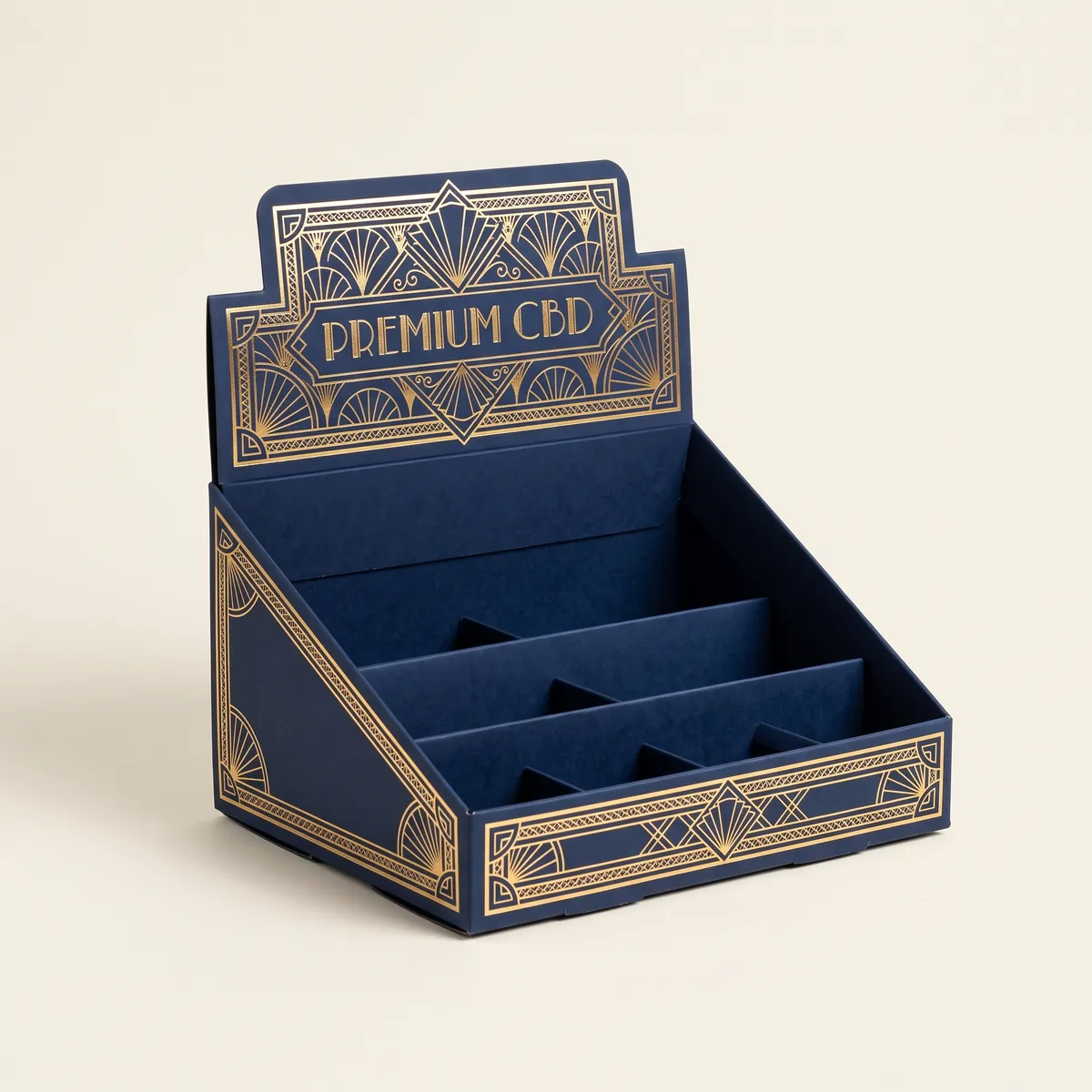
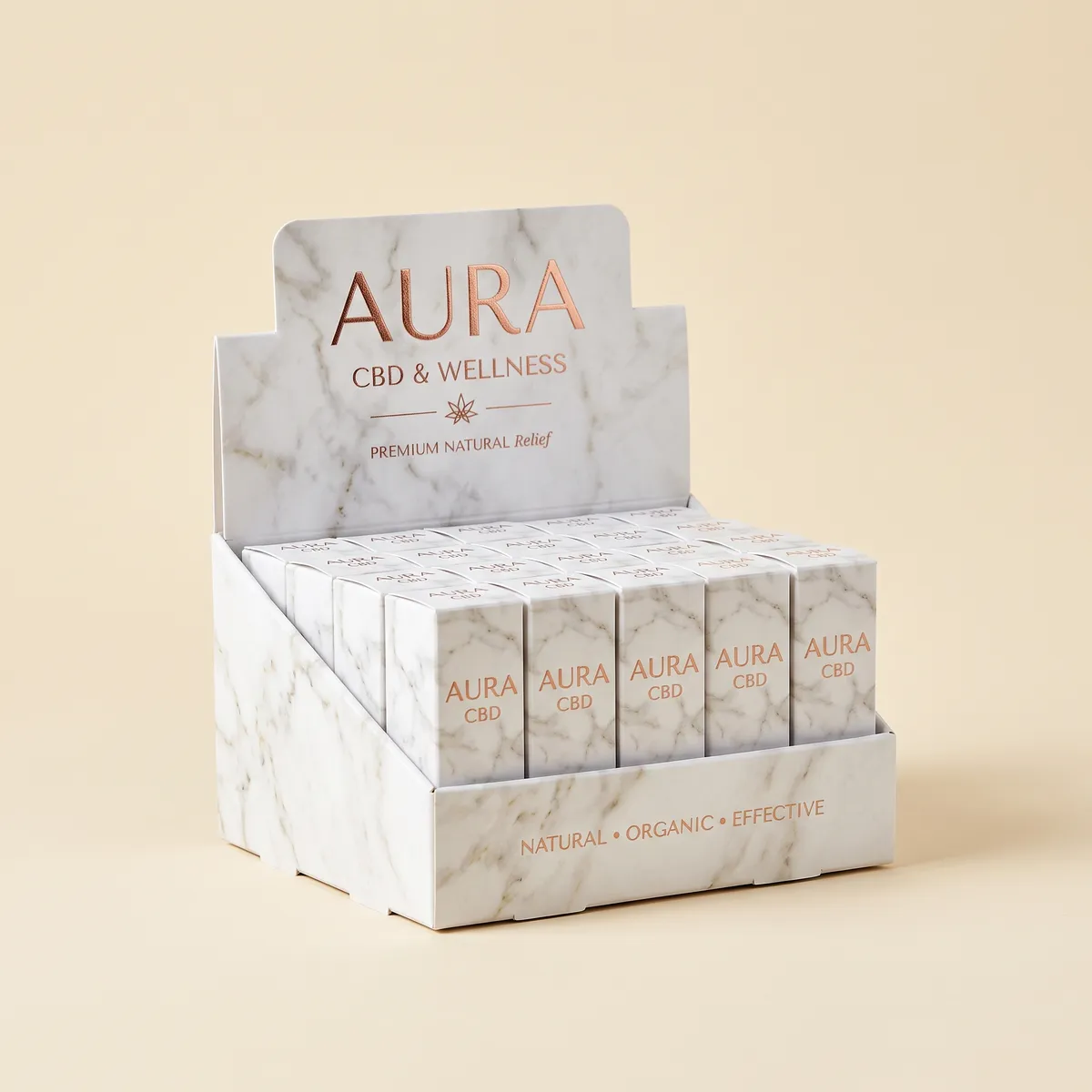
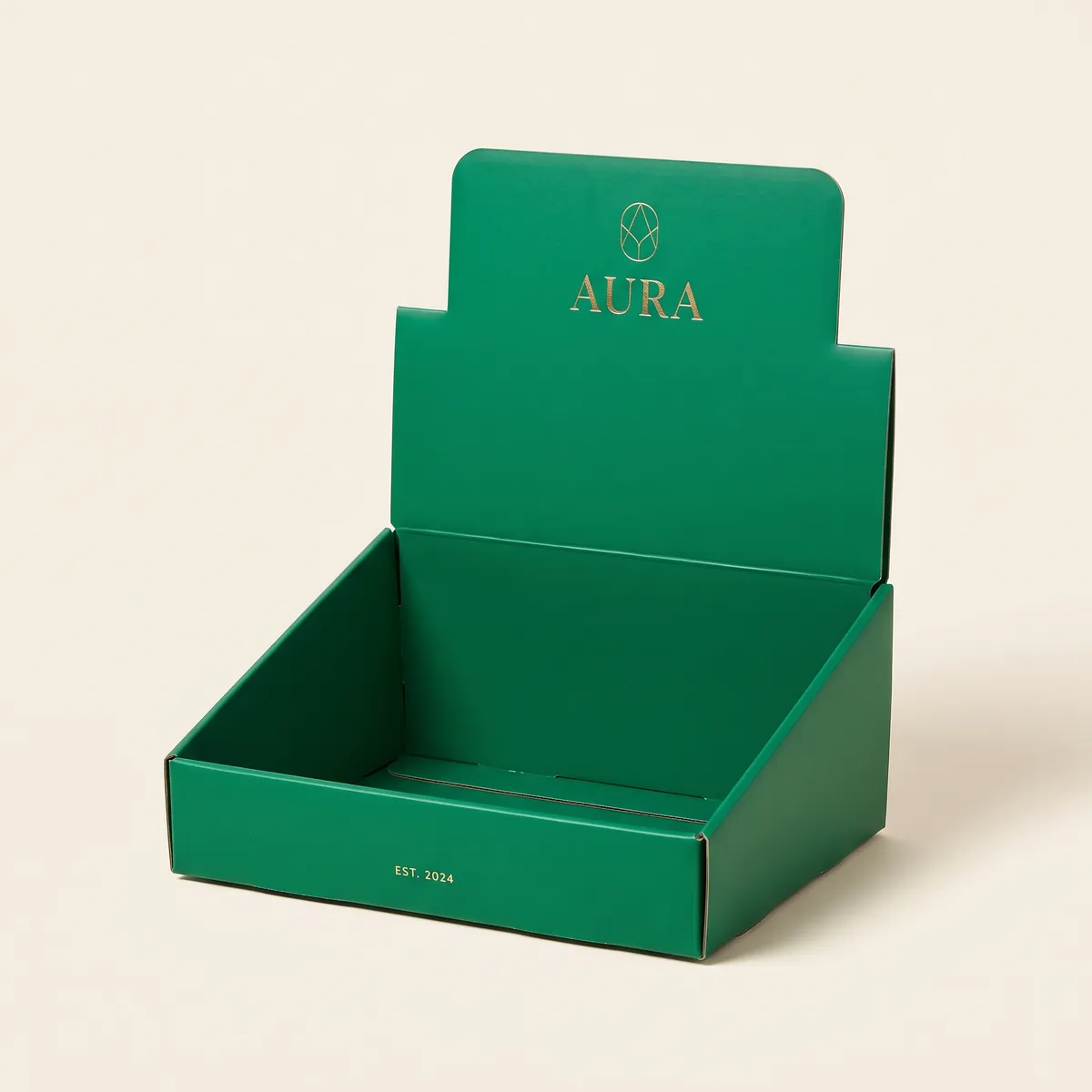
Small display boxes fit counters where a large unit wouldn't be allowed, sitting beside the till without crowding it. Below a certain size a unit holds too little to be worth restocking, so tell us the product and we'll advise a practical footprint. An optional header card lifts your branding above the product line. They're the cheapest display format to trial with retailers.
Ours are on Trustpilot, where we can't edit them or choose which ones you see.
Read them on Trustpilot →(opens in a new tab)Four stages, twelve days
Quote confirmed
A specialist checks your spec against the board and comes back with a firm price inside 4 business hours.
Proof approved
You get a flat dieline and a 3D render. Nothing goes to press until you approve it in writing.
On press
Print, die-cut, glue, and fold. You get a press-side photo the day your job runs.
QC and delivery
Every pallet is sampled against the digital proof or physical sample you approved, then shipped with tracking to your dock or 3PL.
If a box doesn't match the digital proof or physical sample you approved, we reprint the run at no charge.
Read the reprint terms →Know exactly what you're ordering.
Small Display Boxes for Products That Get Lost on a Shelf
Some products are too small to sell from a shelf. Earrings, charms, hair clips and single sweets disappear between larger boxes, and a customer who doesn't see them won't ask for them. A small display gives them a place of their own, sized to the product rather than to a standard unit. The buyers are makers and brands with low-priced add-on items, jewelry and accessory sellers, and anyone placing stock in shops whose counters are already crowded. The unit asks so little of a store owner that it rarely needs anything else moved, and because it's built around the item, a modest quantity is enough to make the product visible from the other side of the till.
Footprint, Header and Board Specs for a Compact Unit
A compact unit uses less board and simpler construction, which keeps the specification short.
| Feature | Detail |
|---|---|
| Board | Coated paperboard printed in full color |
| Footprint | Agreed with us around your product |
| Header card | Optional, adds height without adding depth |
| Cavities | Sized to the item, or an open tray |
| Delivery | Flat-packed, folds up at the counter |
| Dimensions | Internal, confirmed with you in writing |
Printable board for compact counter units is the right stock in almost every case. Small units carry very little weight, and coated board keeps small type and product images sharp on narrow panels where fluted board would blur them.
Matching the Unit to the Size of What It Sells
A display should be in proportion to what it holds. Put a handful of earrings in a unit built for boxed products and it looks empty from day one; put them in a unit sized to the pieces and it looks full and deliberate. Proportion also decides whether a store says yes. A small unit asks for very little counter space, so it gets placed by the till rather than in a back corner. The trade-off is capacity: a small unit needs refilling more often, which suits products that sell steadily rather than in bursts. Pocket-sized sweets by the till show the fit well, since each piece is tiny, cheap and bought by someone already holding their wallet.
Keeping Branding Legible on Narrow Display Panels
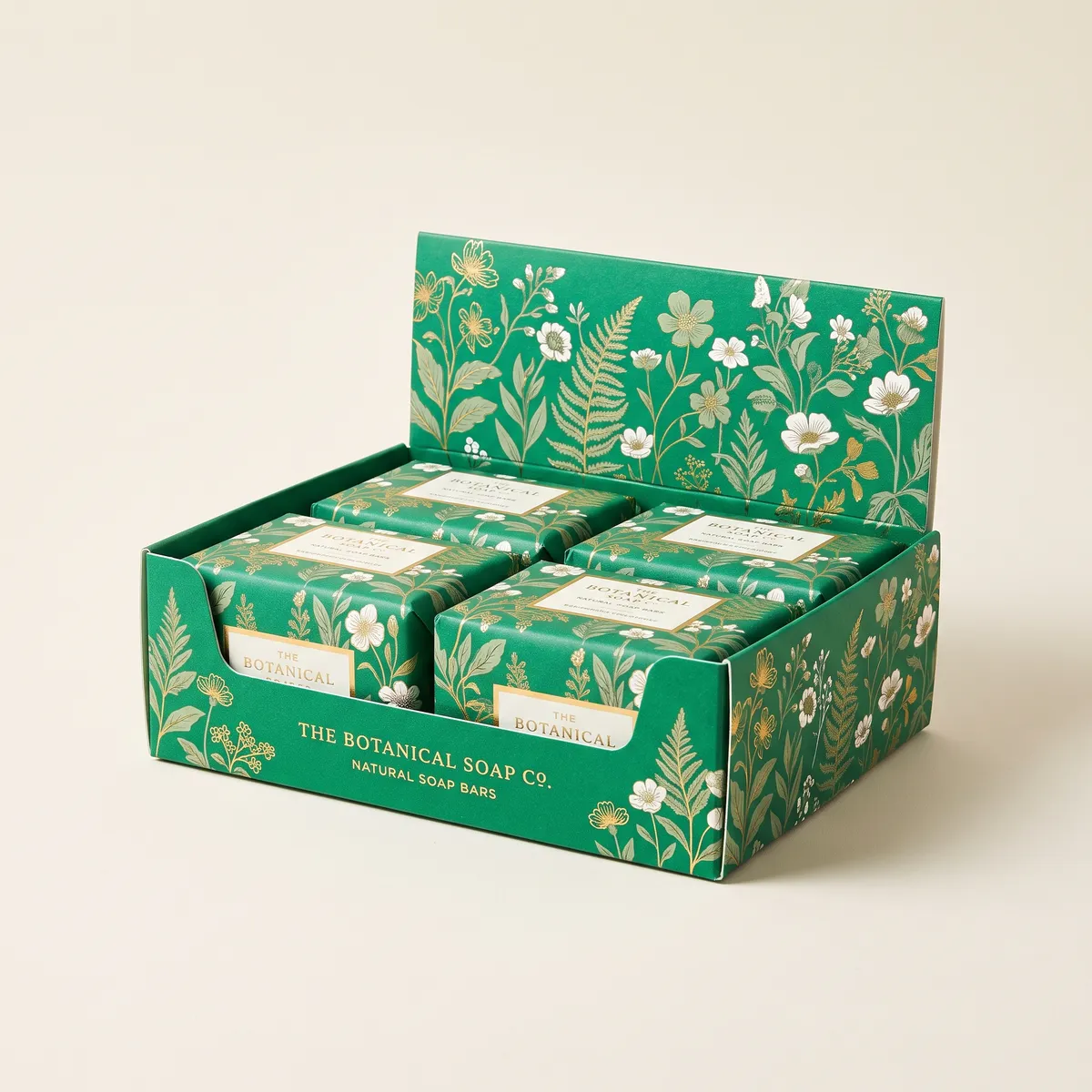
Small panels leave little room, so edit the artwork down to what reads at a glance. Keep the logo large and the message to a few words; product names and prices can go on the items themselves. Coated board holds fine detail well, so a small product photo or pattern prints cleanly, but long text on a narrow panel is wasted. A header card is the most useful upgrade, because it puts the brand above the products where the unit's own panels can't reach. Lamination protects the print from handling, which a unit beside the till gets constantly. Foil works on a small logo when it's kept clear of the folds. Keep complex artwork away from the creases entirely.
Small Counter Units for Jewelry, Charms and Add-On Accessories
Jewelry and accessory brands are the largest group of buyers. Earrings and charms sold at checkout fit a small unit naturally, as do rings on cards, hair clips and slim bracelets. Makers place them in gift shops and cafés that have no room for a jewelry case. Accessory brands use them for phone charms, keyrings and pins, items that sell as an extra rather than the main purchase. Confectioners use small units for single bars, and beauty brands use them for minis and samples. Brands with a larger display in their flagship stores often order a small version for shops that can't fit the big one, so the same artwork runs across every location.
Ordering Small Displays for a Handful of Stores or a Chain
Small displays usually go out one of two ways: a handful of units for independent shops, or a rollout across a chain. Both start the same way. Both begin with your product's measurements and the space you expect, from which we draw a dieline, then a proof, revising free as many times as needed. The minimum is 100 units, which covers a modest batch for local stores. On a chain order above 10,000 units, samples are free, so you can check the unit in a real store before the full run. Lead time is 8–12 business days from approval, and rush is offered at an added cost we quote upfront. Shipping is included, and every unit clears a three-stage check.
One connected process, start to finish.
Structural Design
Dieline drafted to your exact fit and freight tolerances.
Proof & Sample
Sign off on a digital proof, or request a physical sample.
Tooling
Dies and plates are cut for your job and archived on file.
Production
Print, die-cut, and assembly run under in-line quality checks.
Ship & Reorder
Freight goes out, and the cycle resets for your next run.
Steady process. Powerful results.
Like everything we build, our process is engineered to hold up — no shortcuts, no surprises. Five dependable stages that run the same way every single time, so reorders are just as fast as the first order.
- One dedicated teamFrom first sketch to final freight, the same people carry your order start to finish.
- Dies archived on fileReorders skip tooling and re-setup entirely — we already have your exact spec.
- Checked against your sign-offEvery run is inspected against the digital proof or physical sample you approved.
Set up your file once, correctly
Nine in ten delayed jobs are delayed by artwork, not production. Match these four rules and your proof lands the next morning.
- Bleed1/8 in (3 mm) past every cut line
- Safe ZoneKeep text 1/4 in clear of every crease
- ColourCMYK or named Pantone. No RGB.
- Resolution300 dpi at final size, fonts outlined
No print-ready file?
Send a logo and a rough idea. Our studio builds the production file free with any order over 500 units — you keep the source file either way.
Ask the StudioBackground art must run all the way to the outer bleed edge. Anything inside the white dashed line survives fold tolerance.

What brands say about this box
They live there rather than here, where we can't edit them, delete them, or pick which ones you get to see. That is exactly what makes them worth reading.
Read all reviews on Trustpilot(opens in a new tab)Answers before you have to ask.
How small can a display unit practically go?
Small enough to sit beside a till without crowding it, though below a certain size the unit holds too little to be worth restocking. Tell us the product and we'll advise on a practical footprint.
Can small displays have a header card?
Yes, and it's worth having. A header card lifts your branding above the product line where it's visible across a counter, which a low unit alone can't achieve.
Are small displays cost-effective?
At low volumes they're the cheapest display format to trial, which makes them a sensible entry point. Their real value is that they fit counters where a large unit simply wouldn't be allowed.
How long do small display boxes take?
About 8–12 business days from proof approval, often at the faster end given the size. Rush is available at an extra cost stated before you commit.
Can small displays be ordered in small runs?
Yes, from 100 units. Small displays are the cheapest format to trial, which makes them a sensible way to test whether counter display works for your product at all.