
Window Gable Boxes
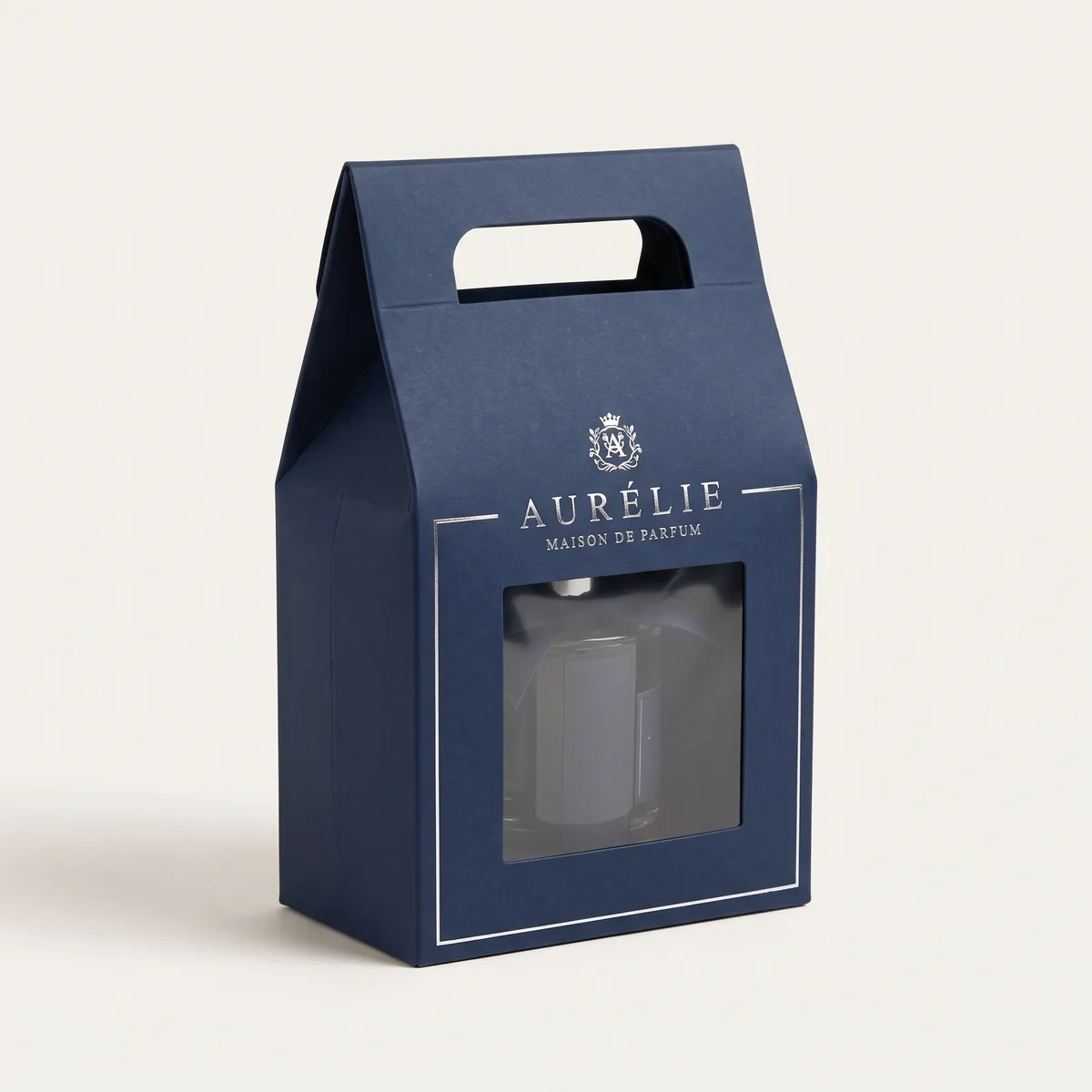
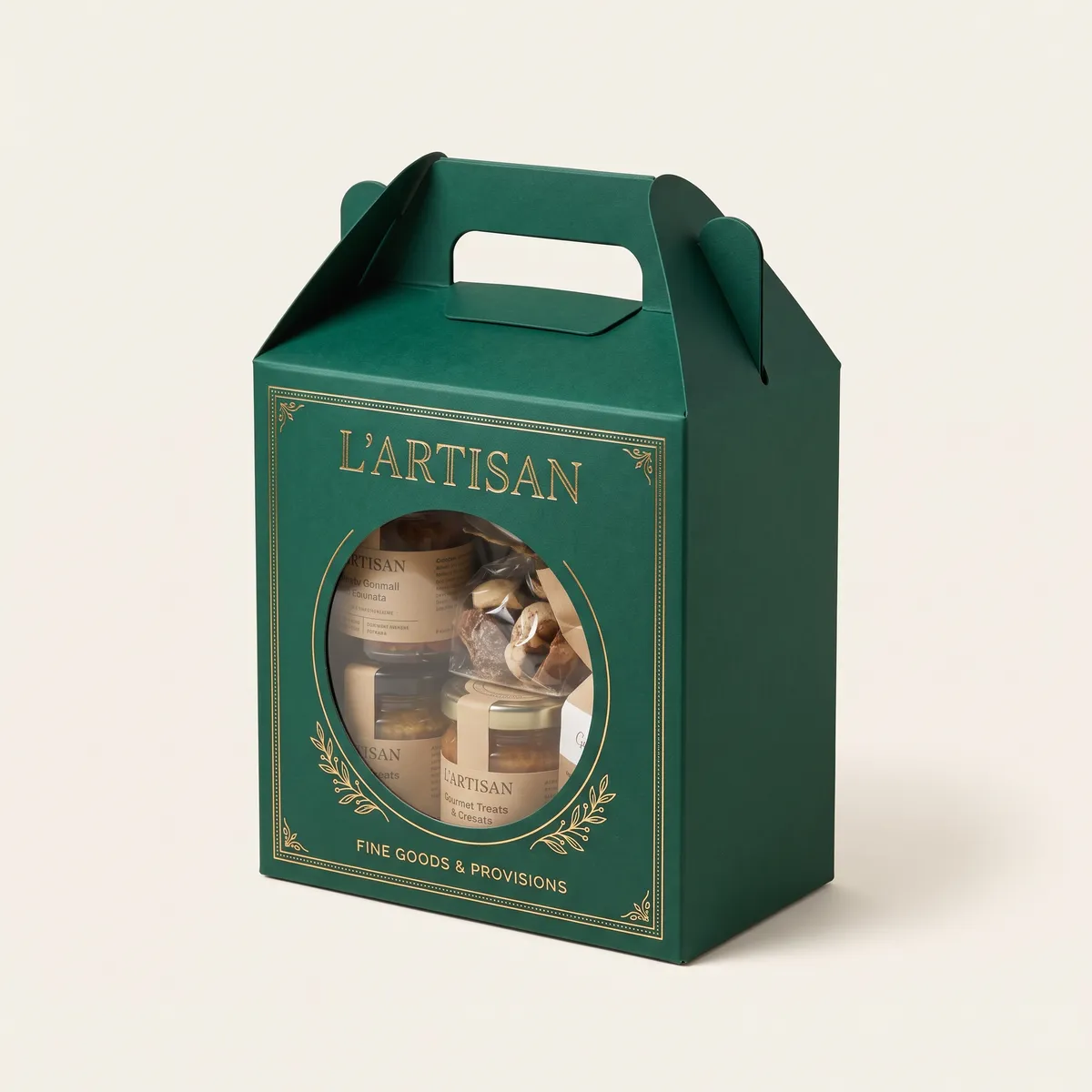
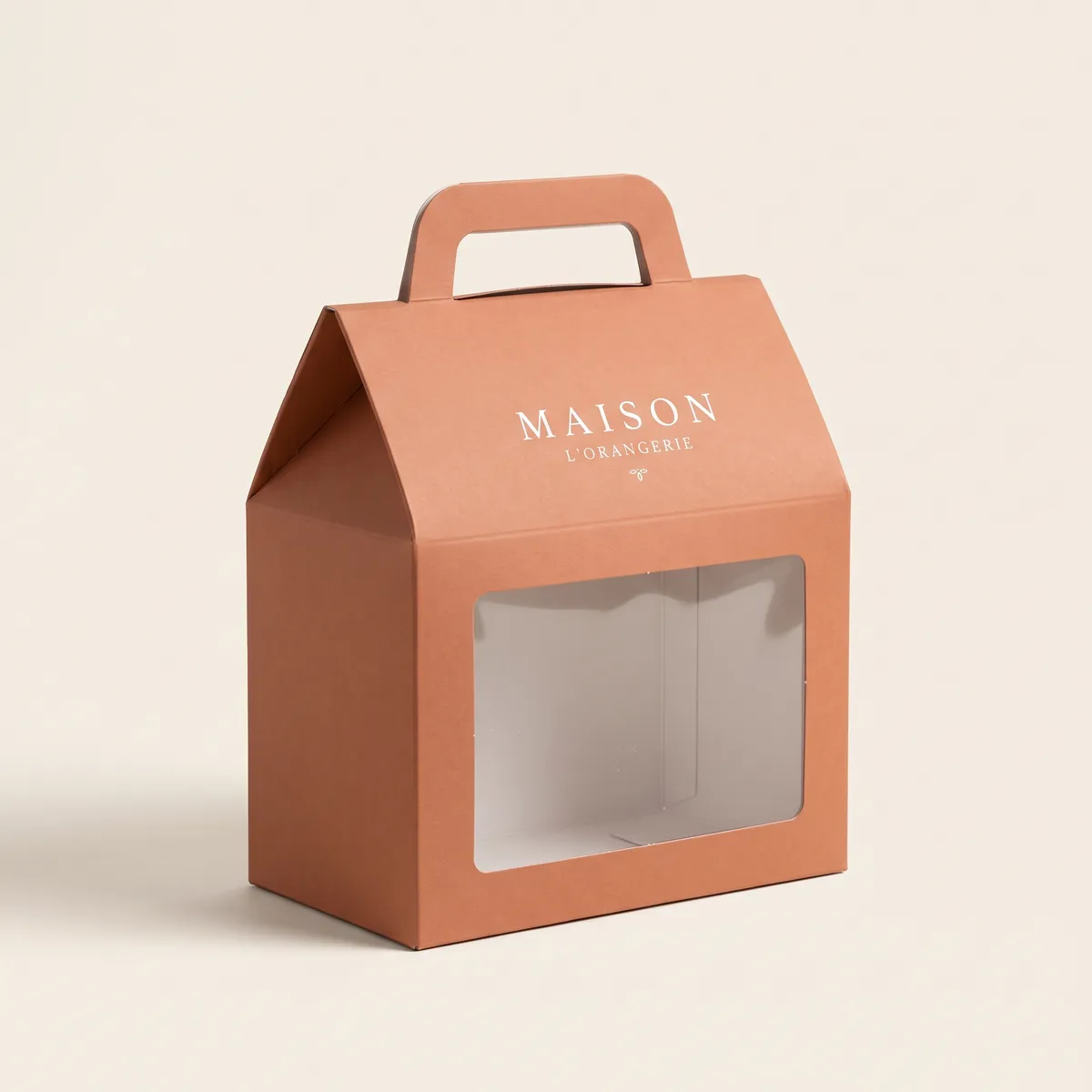
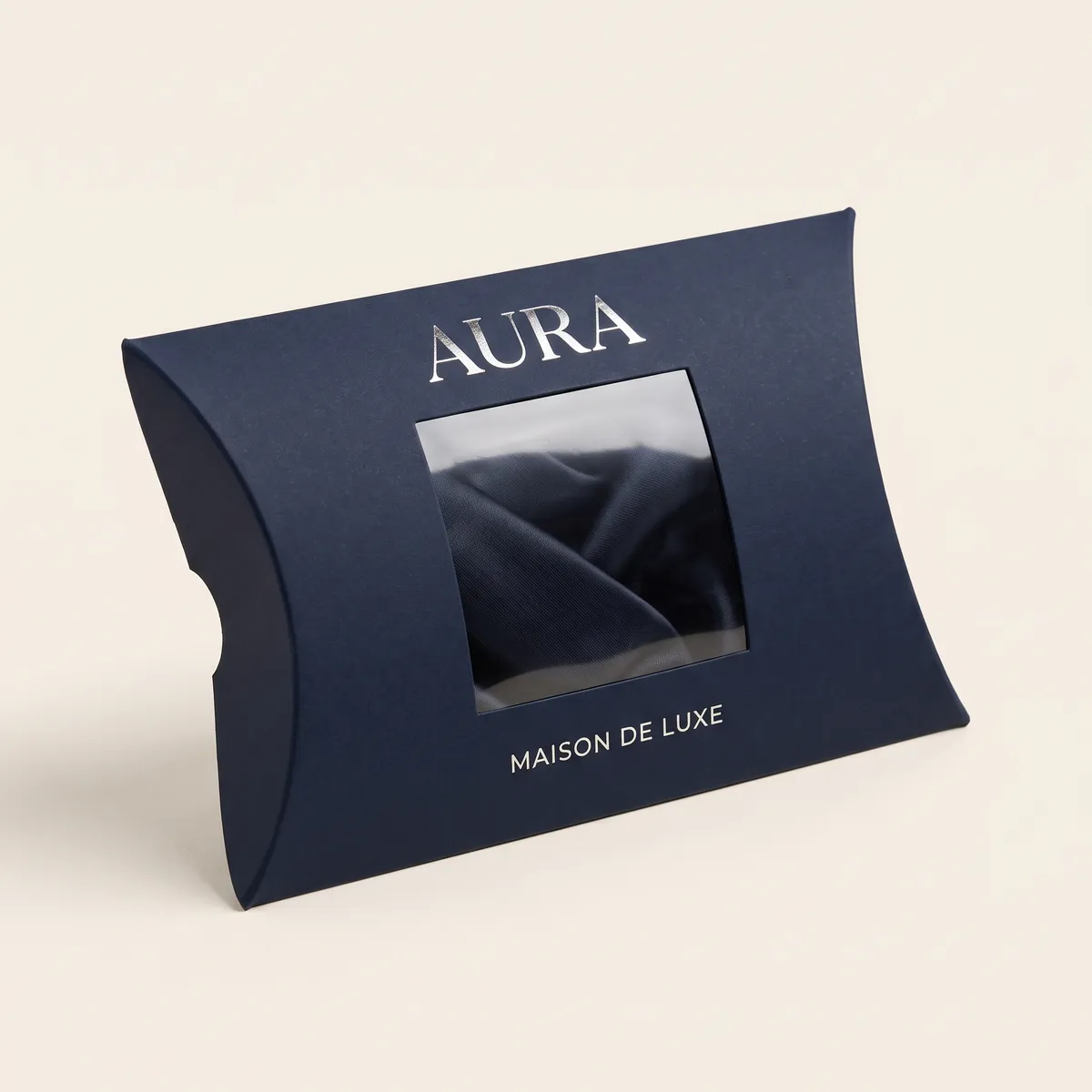
Window gable boxes put the film-backed cut-out on the front panel, since the handle occupies the top, so contents show without competing with the structure. Because the handle sends the whole load through the upper panels, we position windows low and away from structural corners. Sealed contents can fog the film; a 100-box run lets you check that before scaling production.
Ours are on Trustpilot, where we can't edit them or choose which ones you see.
Read them on Trustpilot →(opens in a new tab)Four stages, twelve days
Quote confirmed
A specialist checks your spec against the board and comes back with a firm price inside 4 business hours.
Proof approved
You get a flat dieline and a 3D render. Nothing goes to press until you approve it in writing.
On press
Print, die-cut, glue, and fold. You get a press-side photo the day your job runs.
QC and delivery
Every pallet is sampled against the digital proof or physical sample you approved, then shipped with tracking to your dock or 3PL.
If a box doesn't match the digital proof or physical sample you approved, we reprint the run at no charge.
Read the reprint terms →Know exactly what you're ordering.
A Gable That Shows What's Inside Before It's Opened
A customer choosing between two boxes picks the one they can see into. Window gables are built for that moment: the product is on view on the shelf, on the counter or in the customer's hand, while the handle still does its job at the top. They're bought by bakeries and cookie sellers, sweet shops, gift and craft retailers, and anyone whose product sells itself better than a description would. They suit goods that look good as they are. If the contents are wrapped or bagged inside, a window adds cost without showing anything worth seeing, and a printed panel is the better spend. The same applies when the product looks plain next to its own artwork.
Window Size, Film and Placement Specs for Gables
Window gables are commonly made on coated board around the window cut, so the print framing the opening stays sharp.
| Attribute | Window gable boxes |
|---|---|
| Window | Film-backed cut-out |
| Position | Front panel, low and away from corners |
| Clearance | Cut kept clear of every fold line |
| Venting | Optional, keeps the film clear with warm contents |
| Board weight | Rated to the filled weight |
| Size | Cut to your product's dimensions |
Window size is set by the part of the product you want on show, then checked against the load the upper panels have to carry. A bigger opening is possible, but it takes board out of the wall.
Why Showing the Product Beats Printing a Picture of It
A printed photograph has to be shot, color-matched and reprinted whenever the product changes. A window shows the actual item, so it works for goods that vary from batch to batch, and one box can serve several flavors or designs without new artwork. It also tells the customer exactly what they're buying, which a picture can only suggest. The cost is a cut panel, a sheet of film, and a little strength taken from the front wall, which is why the board on a window gable is chosen with the opening in mind. For pastry counters that sell on looks, where every batch comes out slightly different, that trade almost always pays for itself.
Framing the Window With Print and Clear Margins
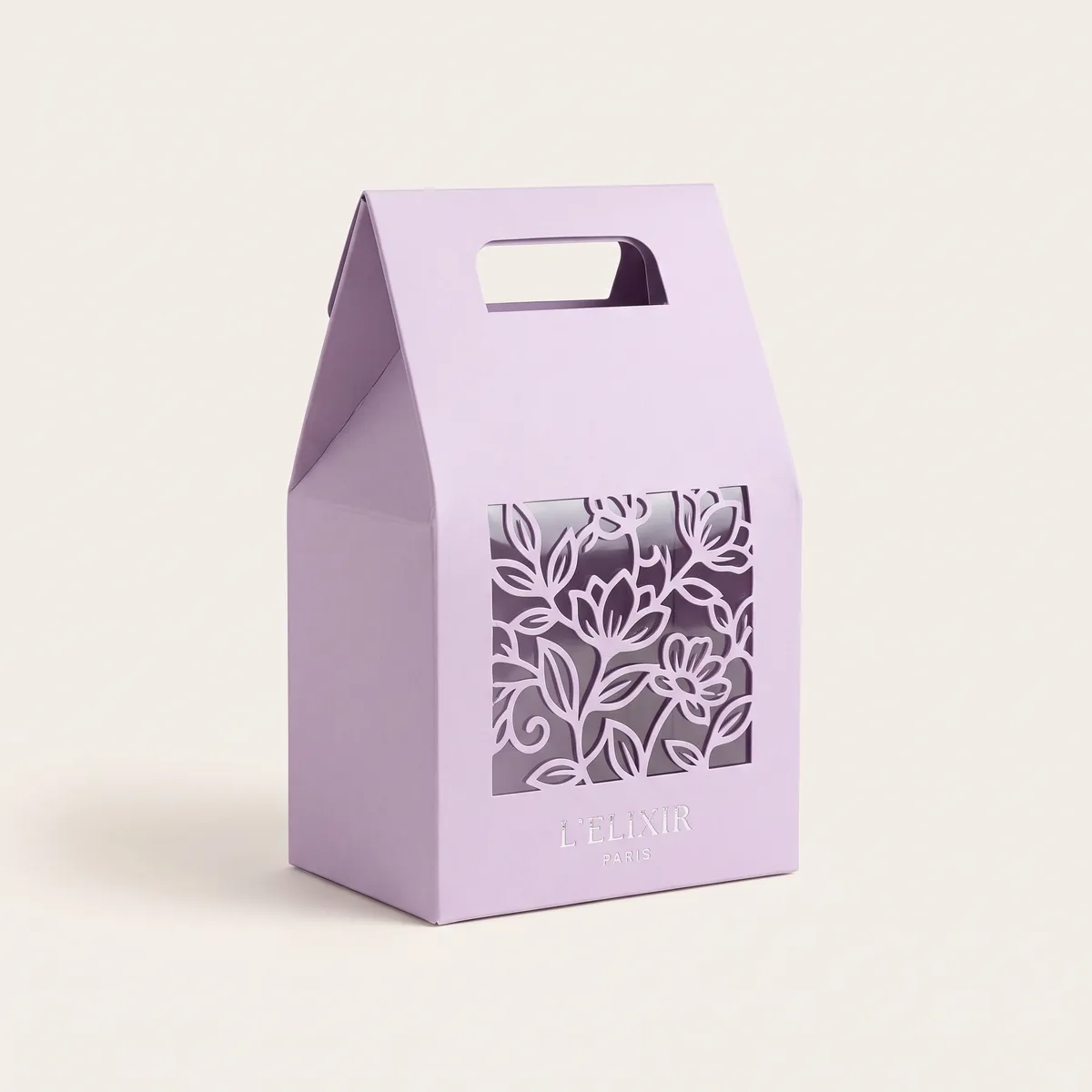
Print on a window gable works around the opening, not over it. Leave a clear margin around the cut, since artwork running right to the edge looks misaligned if the cut lands a fraction off. A printed frame or border around the window draws the eye to the product. The front-wall space above and below the window is limited, so the logo often moves to the back wall or the angled top panels. Coated board takes full-color print and lamination, and the inside can be printed where it shows through the film. Each window shape needs its own cutting die, so settle the shape before the artwork is final rather than redrawing both.
Window Gables for Cookies, Pastries and Gift Treats
Window gables are strongest where the product is decorated, colorful or made by hand. Decorated cookie sets sold by the box are a classic fit: iced designs on show, carried home by the handle. Bakeries use them for pastries and celebration treats. Chocolatiers and sweet shops use them for assortments where the selection is the selling point. Gift and craft retailers use them for candles, soaps and small handmade goods displayed on a counter. Event planners order them as favor boxes that show the treat inside, and garden centers use them for small plants and bulbs. In each case the window replaces a label explaining what's in the box.
Proofing Window Position Against Your Actual Product
Before you approve, hold the proof dimensions up against the product itself. The window should frame what you want seen, not a seam, a label or the edge of a tray. We build the dieline from your product's measurements and confirm internal versus external in writing, and design help is unlimited and free until the window and artwork sit right. Production takes 8–12 business days from approval, and rush is an added cost we state before you order. Every box passes a three-stage check and shipping is included. If bulk misses the approved proof, we cover the reprint. Orders start at 100 boxes, and runs above 10,000 include free samples.
One connected process, start to finish.
Structural Design
Dieline drafted to your exact fit and freight tolerances.
Proof & Sample
Sign off on a digital proof, or request a physical sample.
Tooling
Dies and plates are cut for your job and archived on file.
Production
Print, die-cut, and assembly run under in-line quality checks.
Ship & Reorder
Freight goes out, and the cycle resets for your next run.
Steady process. Powerful results.
Like everything we build, our process is engineered to hold up — no shortcuts, no surprises. Five dependable stages that run the same way every single time, so reorders are just as fast as the first order.
- One dedicated teamFrom first sketch to final freight, the same people carry your order start to finish.
- Dies archived on fileReorders skip tooling and re-setup entirely — we already have your exact spec.
- Checked against your sign-offEvery run is inspected against the digital proof or physical sample you approved.
Set up your file once, correctly
Nine in ten delayed jobs are delayed by artwork, not production. Match these four rules and your proof lands the next morning.
- Bleed1/8 in (3 mm) past every cut line
- Safe ZoneKeep text 1/4 in clear of every crease
- ColourCMYK or named Pantone. No RGB.
- Resolution300 dpi at final size, fonts outlined
No print-ready file?
Send a logo and a rough idea. Our studio builds the production file free with any order over 500 units — you keep the source file either way.
Ask the StudioBackground art must run all the way to the outer bleed edge. Anything inside the white dashed line survives fold tolerance.
What brands say about this box
They live there rather than here, where we can't edit them, delete them, or pick which ones you get to see. That is exactly what makes them worth reading.
Read all reviews on Trustpilot(opens in a new tab)Answers before you have to ask.
Where should the window sit on a gable box?
Usually the front panel, since the handle occupies the top. A front window shows contents clearly without competing with the handle structure. We keep the cut clear of the fold lines.
Can window gable boxes still hold hot food?
Yes, if vented. The window itself doesn't trap steam, but a sealed box does, and condensation fogs the film. For hot service we'd add venting so the window stays clear.
Does a window weaken a gable box?
Slightly, since you're removing board from a panel. It matters more on a gable than most builds because the handle puts the whole load through the upper structure. We position windows low and away from corners.
How long do window gable boxes take?
About 8–12 business days once the proof is approved, window and venting included. Rush is available at an extra cost stated upfront, shipping included.
Can window gable boxes be tested first?
Yes. At 100 boxes you can check how the window sits against your product and whether fogging is an issue at your serving temperature, then scale accordingly.