
Cardboard Drawer Boxes
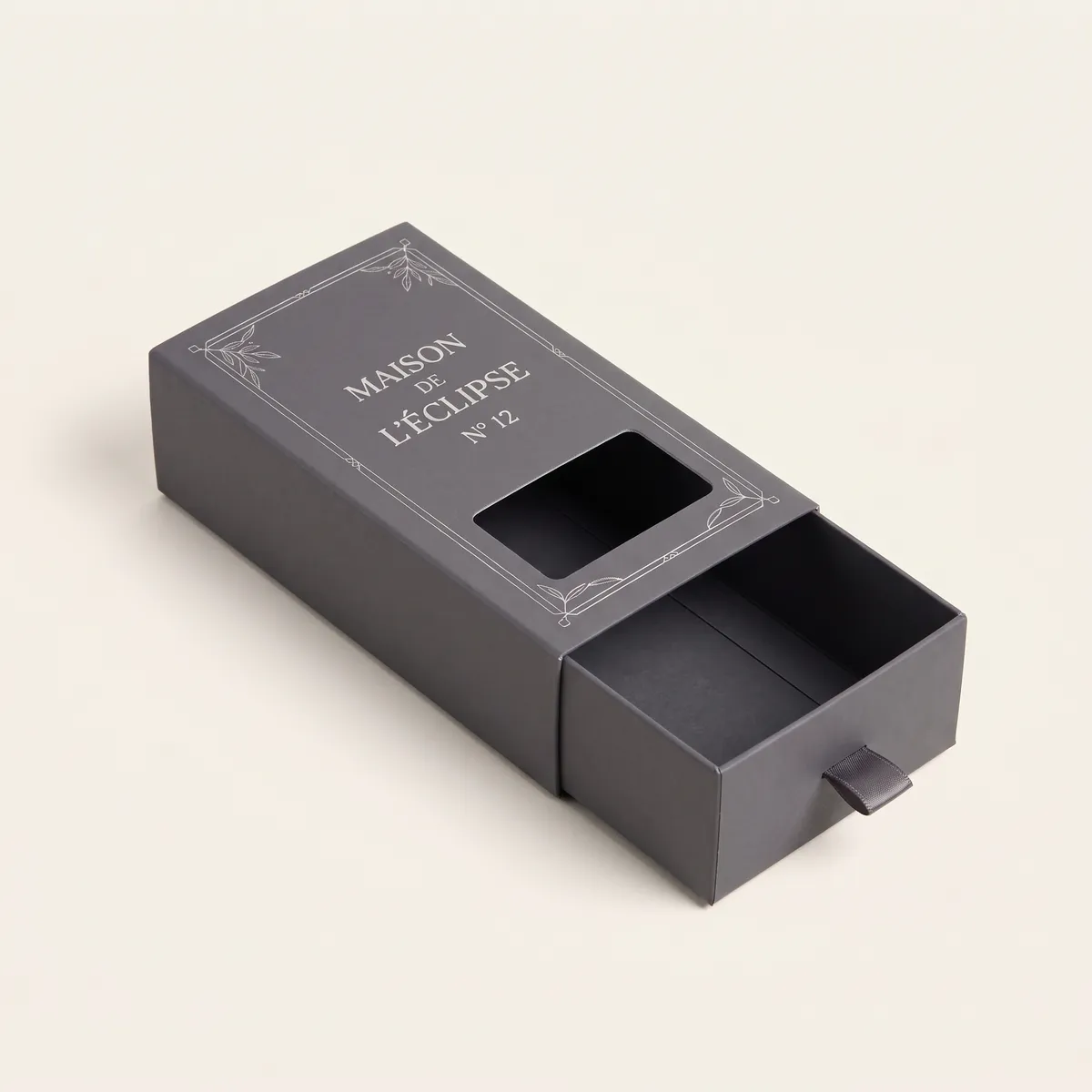
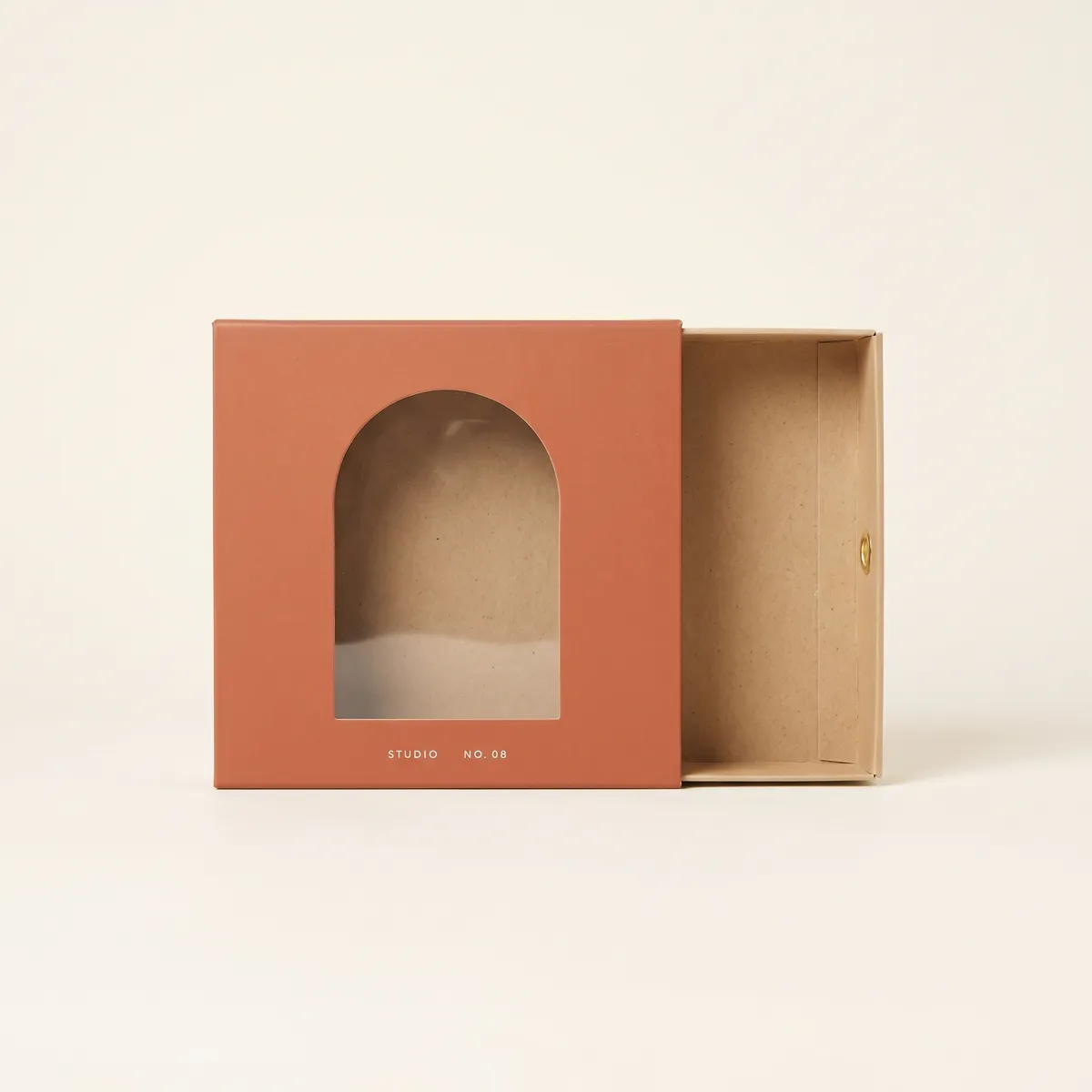
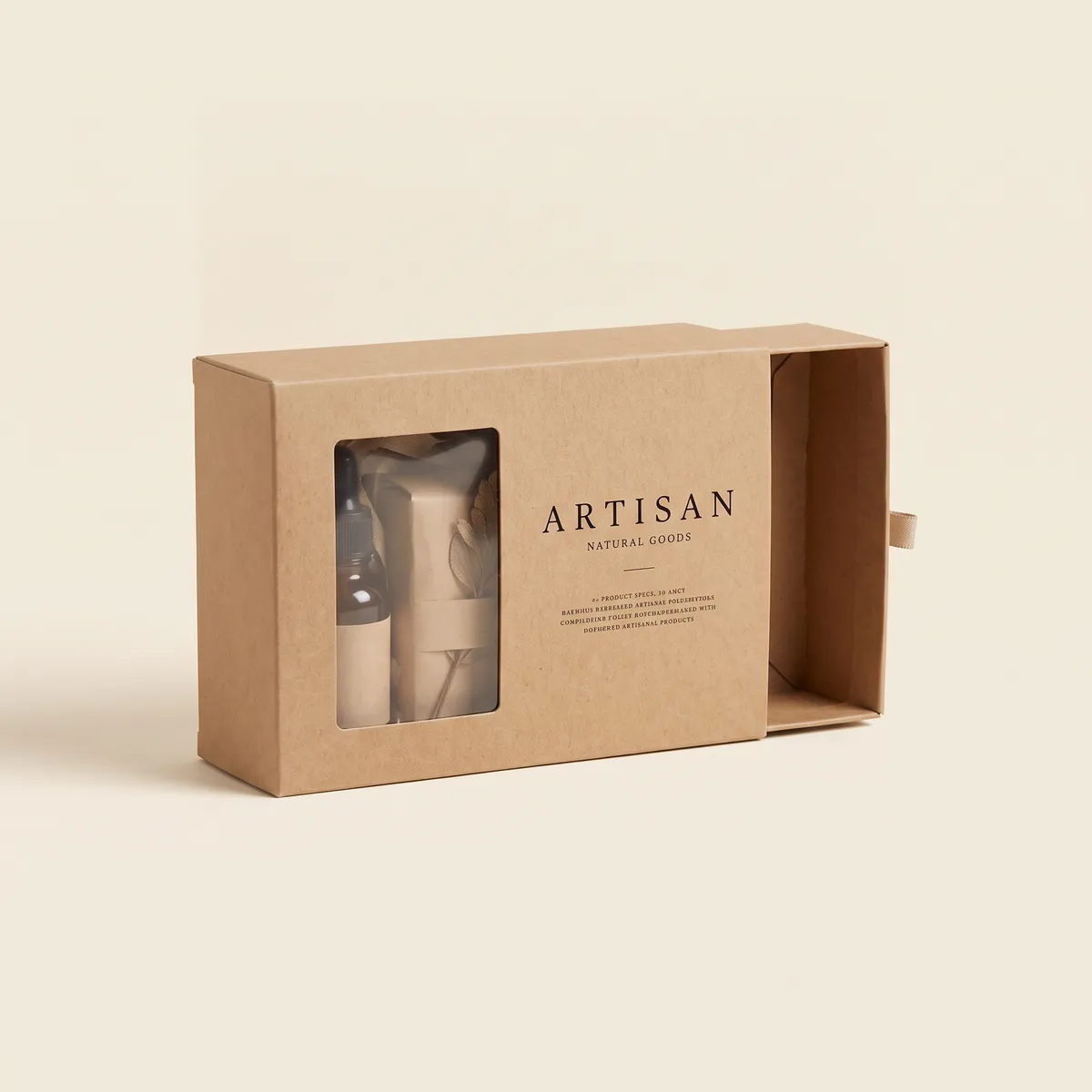
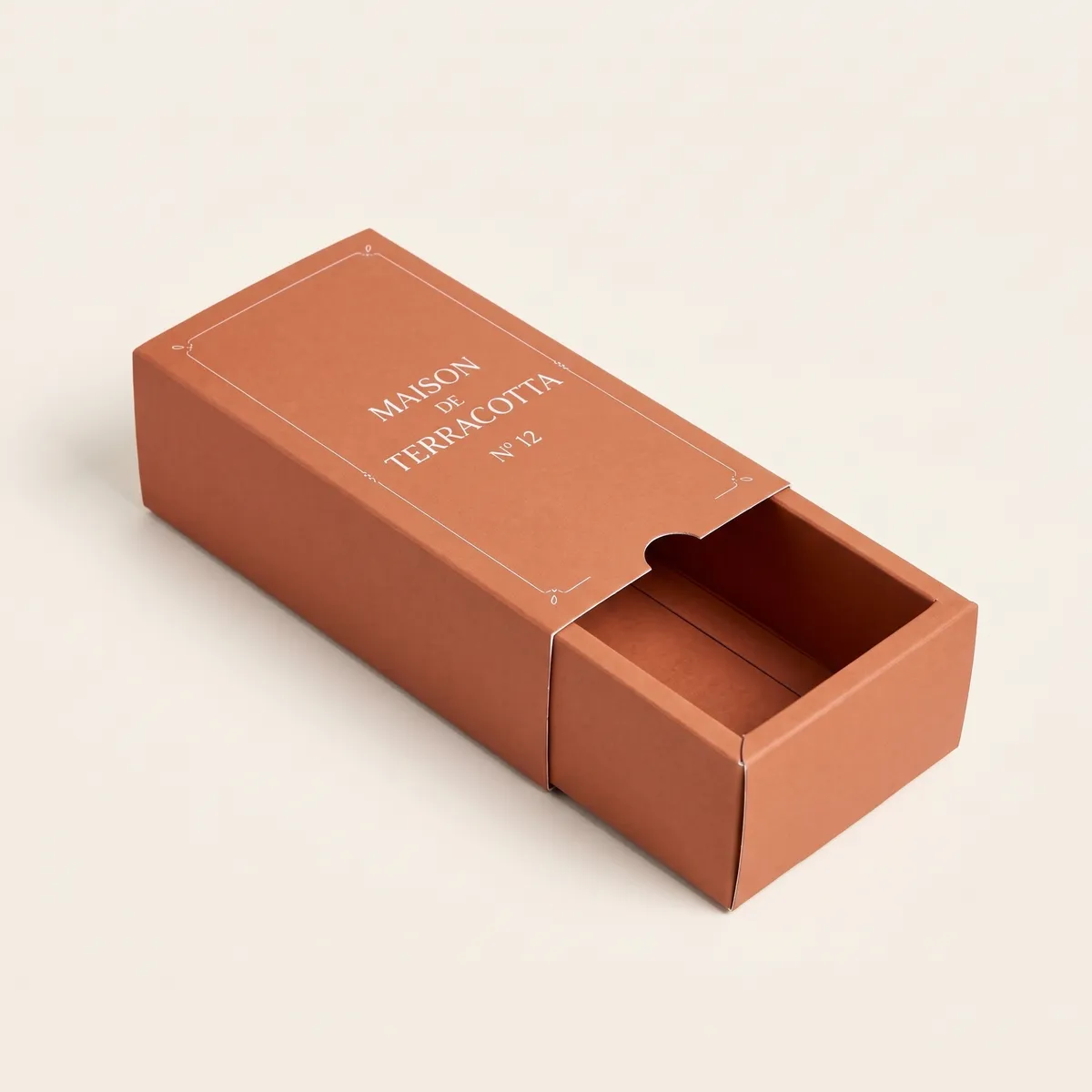
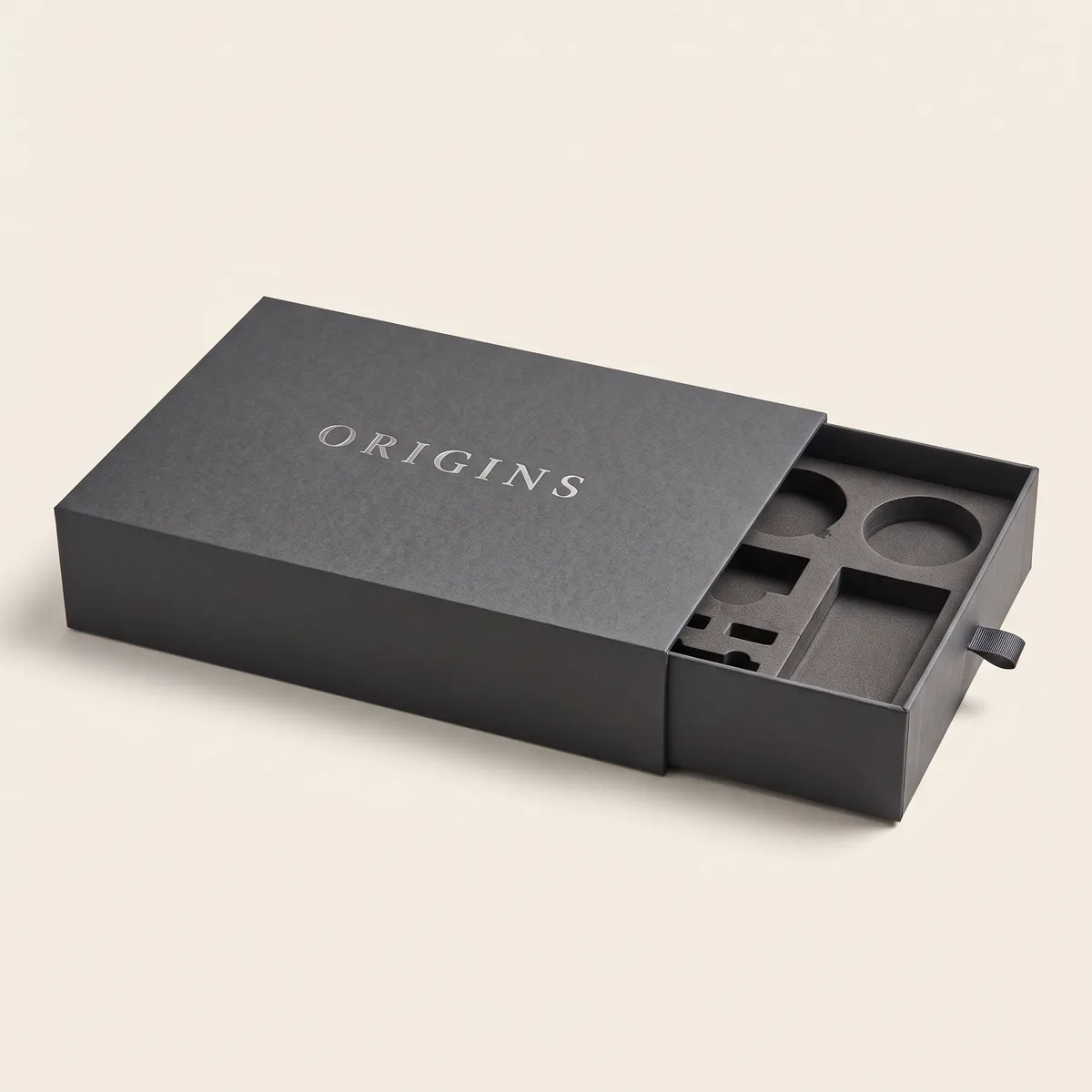
Cardboard drawer boxes keep the slide-out format and full-color printing at a fraction of rigid pricing, since they ship flat and assemble at your end. What you give up is the weight and the smooth, resistant slide. For volume and cost-sensitive ranges, that trade usually makes sense, and a small cardboard run is a sensible way to test the drawer format before committing.
Ours are on Trustpilot, where we can't edit them or choose which ones you see.
Read them on Trustpilot →(opens in a new tab)Four stages, twelve days
Quote confirmed
A specialist checks your spec against the board and comes back with a firm price inside 4 business hours.
Proof approved
You get a flat dieline and a 3D render. Nothing goes to press until you approve it in writing.
On press
Print, die-cut, glue, and fold. You get a press-side photo the day your job runs.
QC and delivery
Every pallet is sampled against the digital proof or physical sample you approved, then shipped with tracking to your dock or 3PL.
If a box doesn't match the digital proof or physical sample you approved, we reprint the run at no charge.
Read the reprint terms →Know exactly what you're ordering.
The Drawer Format at a Price That Works Across a Range
Cardboard drawer boxes are for brands that want the drawer on more than one product. Putting a full line of serums, sample sets or seasonal treats into rigid drawers multiplies a premium cost by every SKU, and few ranges can carry that. On coated paperboard the same slide-out format becomes something you can run across the whole line, with each product printed in its own colors. Buyers here are usually beauty, bakery and gift brands with a defined range and a retail price to protect. The question they bring is how much of the drawer experience they can keep without the rigid price, and coated board answers it with the shell and tray structure intact.
Coated Paperboard Specs for a Flat-Shipped Drawer
Both parts are cut from bleached board coated on the print side, a single pressed sheet rather than a fluted one, so ink stays on the surface and colors print true.
| Spec | Detail |
|---|---|
| Stock | Coated paperboard, white face |
| Construction | Outer shell plus sliding inner tray |
| Delivery | Flat, ready to fold at your end |
| Sizing | Cut to your product, internal dimensions confirmed in writing |
| Tray insert | Optional, to hold items in place |
| Pull | Printed tab or ribbon |
Because both parts arrive flat, they take far less storage space before packing than assembled rigid stock. Glue seams sit on a side panel of the shell, never on the face.
Coated Board Instead of Rigid for Volume Lines
The argument for coated board is arithmetic. A rigid drawer arrives assembled, so you pay to ship and store its full volume, and you pay for a board core and a separate printed wrap on every unit. Coated paperboard skips both: print goes straight onto the sheet, and the box travels flat. For beauty sets sold at volume, where a gift set sits beside dozens of others on a shelf, that saving repeats on every SKU without changing what the shopper sees on the face of the box. What it can't copy is the heavy, slow slide of a rigid tray, because thinner board moves more freely. If the product sells mainly on the feel of opening it, rigid is still worth pricing.
Laminates, Foil and a Printed Tray Floor on Coated Board
Coated paperboard is the most finish-friendly of the common stocks. Gloss, matte and soft-touch films all apply cleanly, and foil adheres well, so a drawer on board can carry most of the treatments a rigid shell gets.
The panel most often skipped is the tray floor. Brands use it for a short message, a pattern, or the product name repeated, all printed in the same run as the outside. Spend there before adding a second foil, since it is seen every time the drawer opens.
Two cautions. Soft-touch shows scuffs, and the tray rubs the inside of the shell each time it moves, so matte is the safer film on the tray walls. And keep foil off the shell's folds, where it cracks along the score.
Cardboard Drawers for Samplers, Treat Packs and Beauty Kits
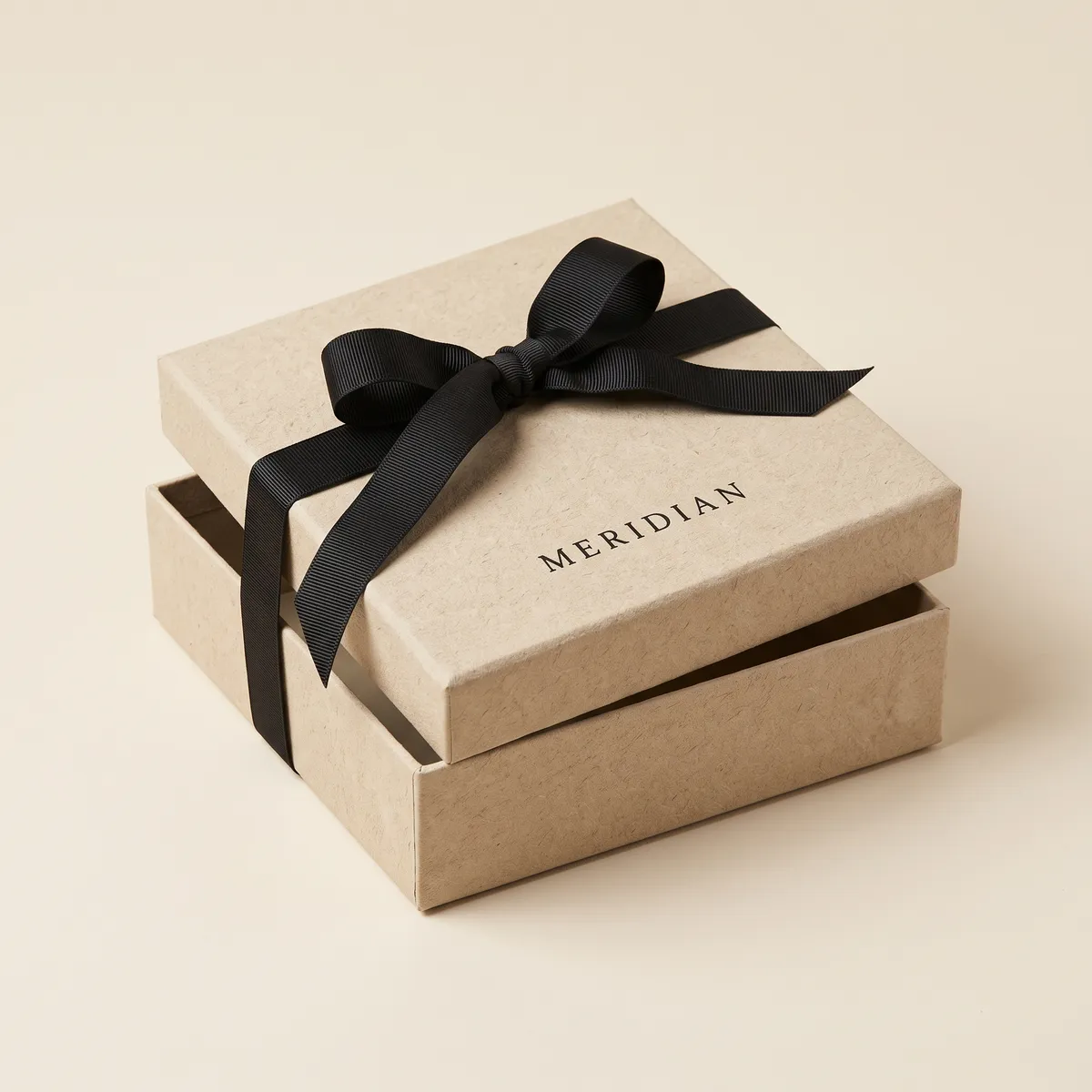
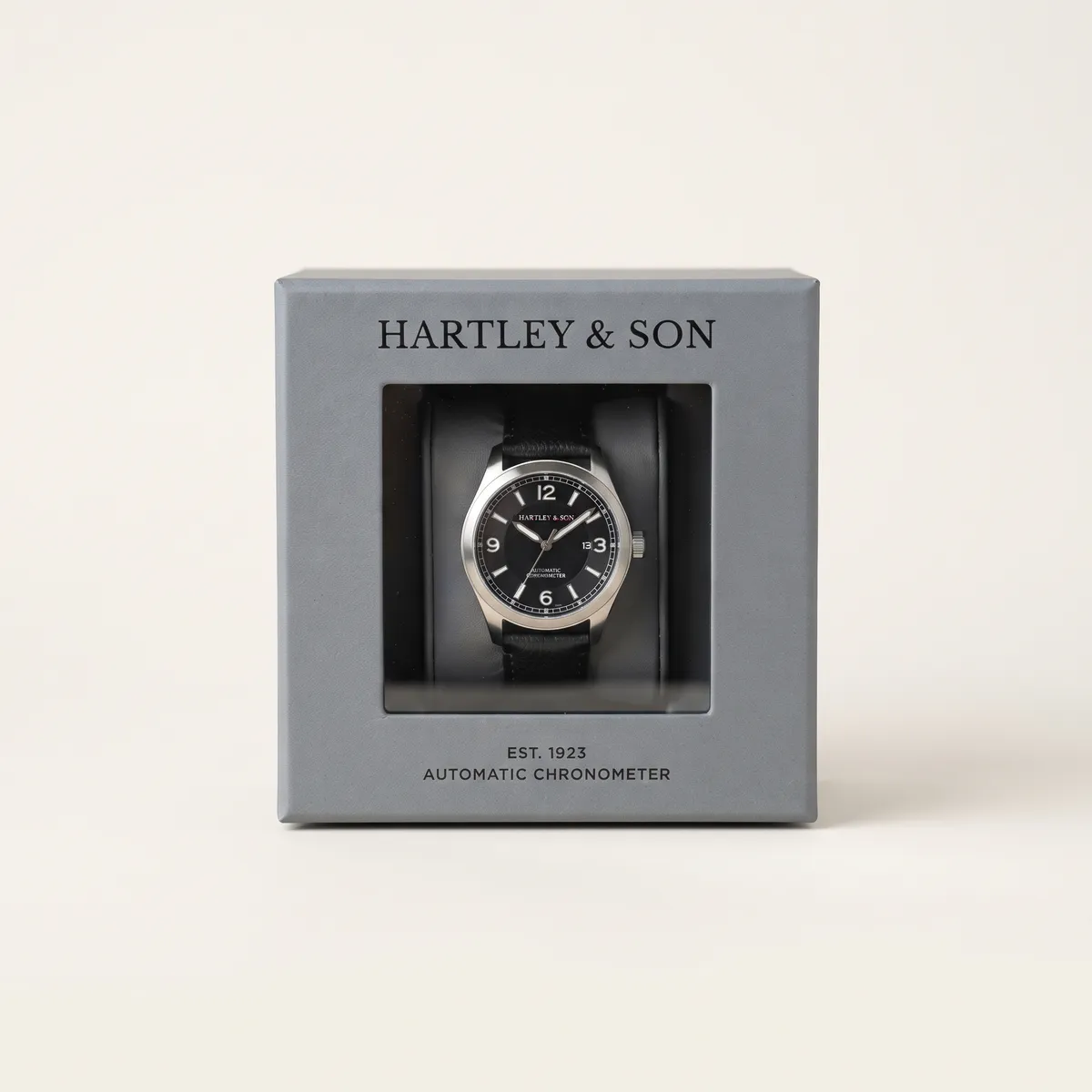
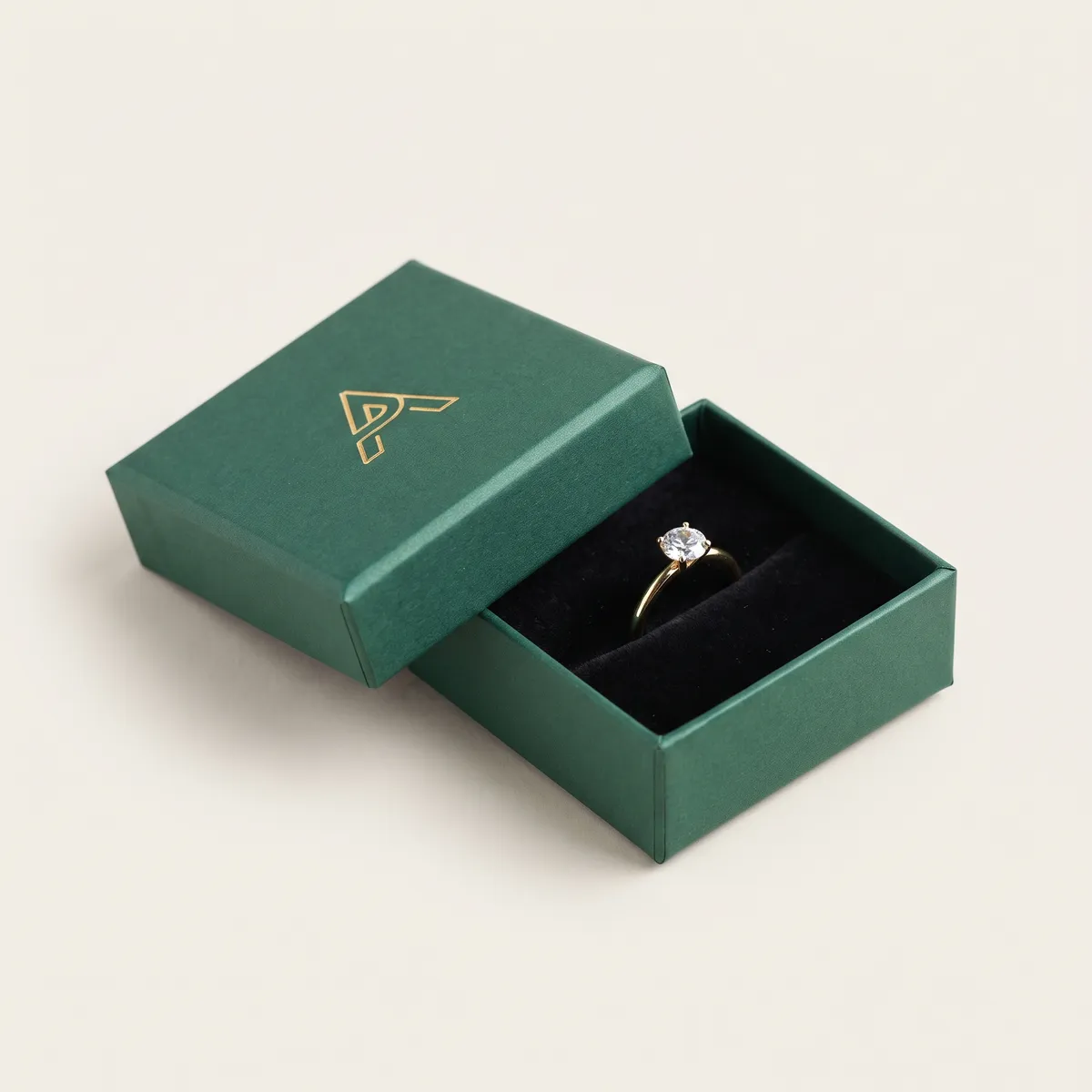
Beauty brands use cardboard drawers for discovery sets and minis, where each item sits in its own slot in the tray and the set sells on how it's laid out. Bakeries and biscuit brands run them for cookie gift packs and bakery samplers, with food-safe stock or a wrap wherever the tray meets the food. Confectioners use them for seasonal assortments that change artwork every few months, which suits board because a new print run carries no wrap cost. Gift and subscription brands send them inside an outer carton. One pattern holds across all of these: the box is opened with some care, kept for a while, then recycled, and that is the life a cardboard drawer is built for.
Planning Assembly Time Into a Cardboard Drawer Order
Cardboard drawers arrive flat, which saves space and freight, but someone at your end folds each shell and tray before packing. Plan for it: on a large launch, that folding is staff time worth booking ahead.
Expect 8–12 business days after you sign off the proof; rush is possible for an added fee, priced before you decide. Orders start at 100 boxes, so a first run can go to a single SKU before the rest of the range follows. Orders past 10,000 include free samples. We build the dieline from your product's dimensions, and artwork revisions are free until you approve. Each run goes through a three-stage check, a run that misses your proof is reprinted at our cost, and shipping is already in the price.
One connected process, start to finish.
Structural Design
Dieline drafted to your exact fit and freight tolerances.
Proof & Sample
Sign off on a digital proof, or request a physical sample.
Tooling
Dies and plates are cut for your job and archived on file.
Production
Print, die-cut, and assembly run under in-line quality checks.
Ship & Reorder
Freight goes out, and the cycle resets for your next run.
Steady process. Powerful results.
Like everything we build, our process is engineered to hold up — no shortcuts, no surprises. Five dependable stages that run the same way every single time, so reorders are just as fast as the first order.
- One dedicated teamFrom first sketch to final freight, the same people carry your order start to finish.
- Dies archived on fileReorders skip tooling and re-setup entirely — we already have your exact spec.
- Checked against your sign-offEvery run is inspected against the digital proof or physical sample you approved.
Set up your file once, correctly
Nine in ten delayed jobs are delayed by artwork, not production. Match these four rules and your proof lands the next morning.
- Bleed1/8 in (3 mm) past every cut line
- Safe ZoneKeep text 1/4 in clear of every crease
- ColourCMYK or named Pantone. No RGB.
- Resolution300 dpi at final size, fonts outlined
No print-ready file?
Send a logo and a rough idea. Our studio builds the production file free with any order over 500 units — you keep the source file either way.
Ask the StudioBackground art must run all the way to the outer bleed edge. Anything inside the white dashed line survives fold tolerance.


What brands say about this box
They live there rather than here, where we can't edit them, delete them, or pick which ones you get to see. That is exactly what makes them worth reading.
Read all reviews on Trustpilot(opens in a new tab)Answers before you have to ask.
How economical is a cardboard drawer build?
Considerably cheaper than rigid, since it ships flat and assembles at your end. You lose the weight and the smooth resistant slide, but you keep the format and full-color printing.
Can cardboard drawer boxes be printed inside?
Yes, and on a drawer it's worth doing. The tray interior is fully exposed as it slides out, so an unprinted inside is more visible here than on most builds.
Is cardboard drawer worth it over rigid?
For volume and cost-sensitive ranges, yes. You keep the drawer format and full-color print at a fraction of rigid pricing. What you lose is the weight and the slide quality.
What's the turnaround on cardboard drawer boxes?
Around 8–12 business days once the proof is approved. Rush is available at an added cost stated upfront, with shipping included rather than added later.
Can cardboard drawer boxes be ordered in small runs?
Yes, from 100 boxes. If you're weighing cardboard against rigid, running a small batch in cardboard first is a sensible way to test whether the format works for your product.