
Kraft Display Boxes
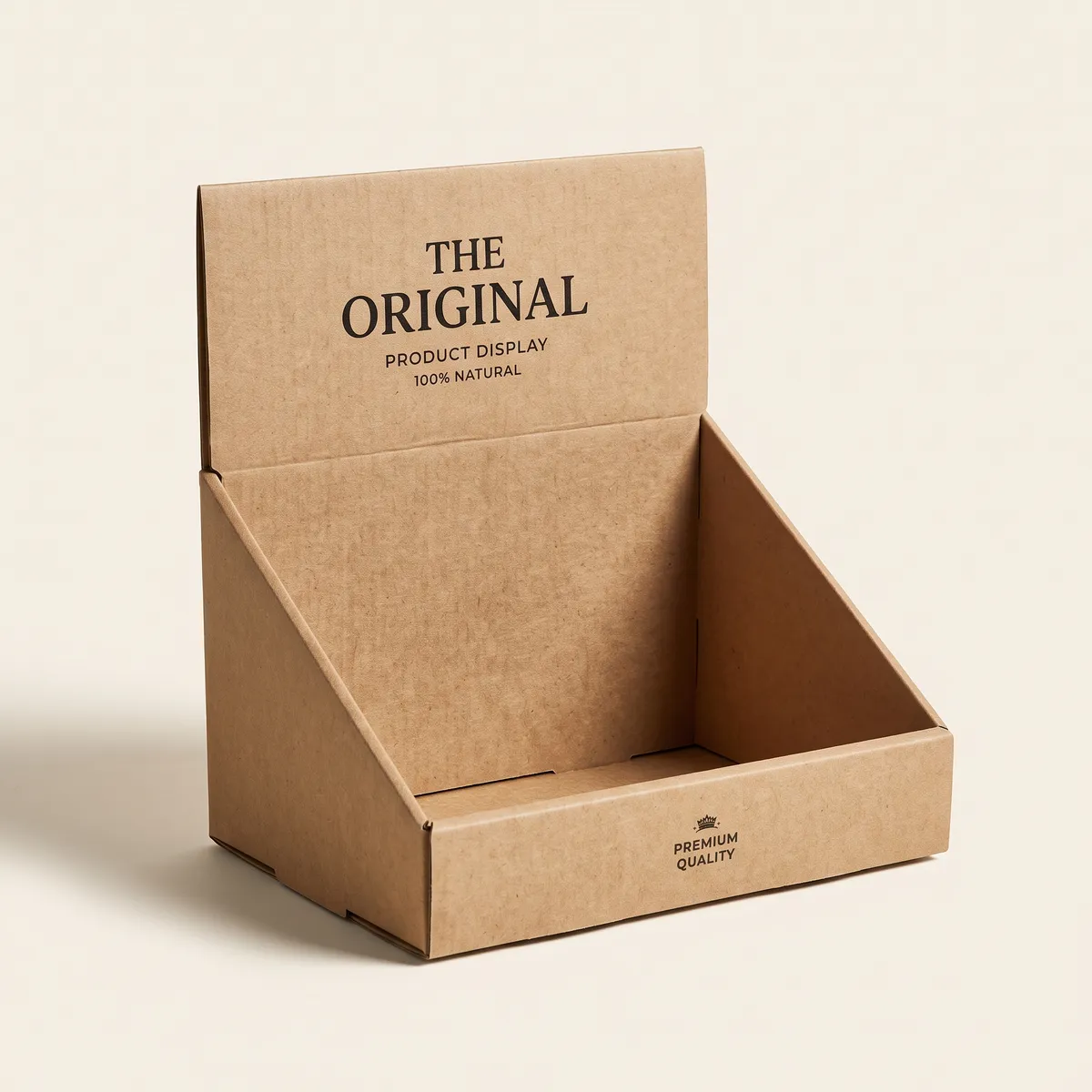
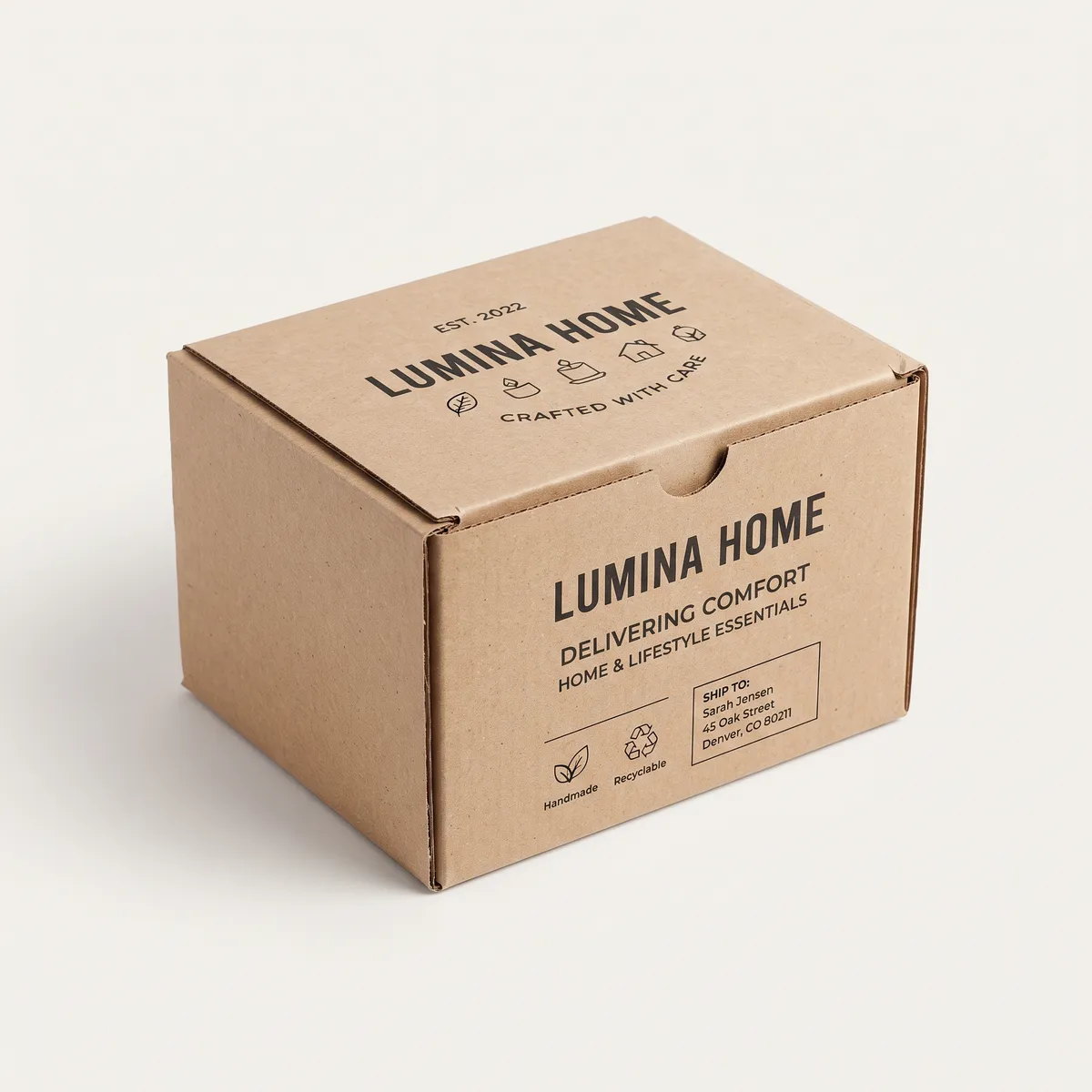
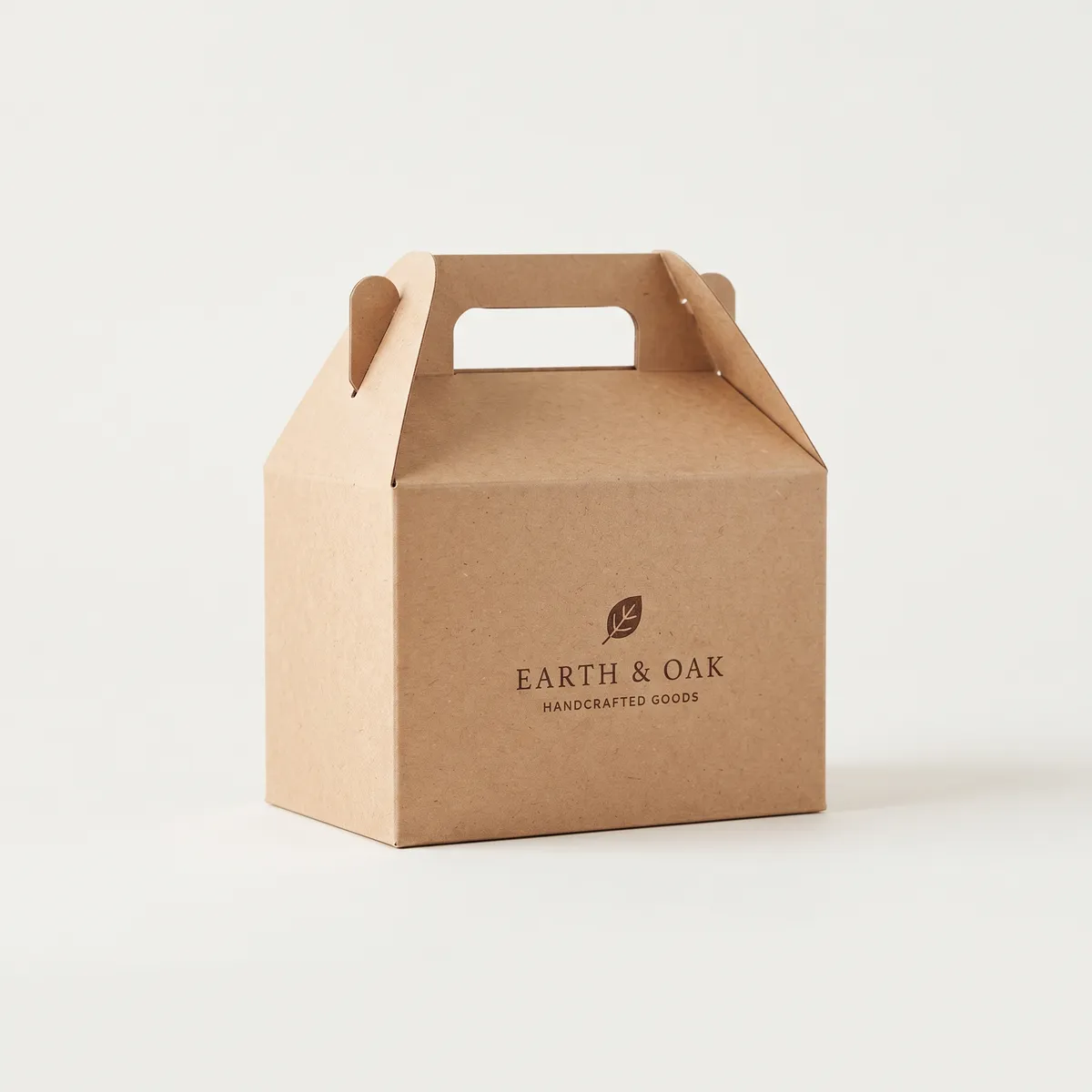
Kraft display boxes suit natural, artisan and eco-positioned ranges where the material is part of the message, and unbleached board recycles easily for customers who check. For bright consumer goods, kraft mutes exactly the colors a display depends on, so we'd steer you elsewhere. Print in one or two colors. Runs start at 100 units, matching smaller retail footprints.
Ours are on Trustpilot, where we can't edit them or choose which ones you see.
Read them on Trustpilot →(opens in a new tab)Four stages, twelve days
Quote confirmed
A specialist checks your spec against the board and comes back with a firm price inside 4 business hours.
Proof approved
You get a flat dieline and a 3D render. Nothing goes to press until you approve it in writing.
On press
Print, die-cut, glue, and fold. You get a press-side photo the day your job runs.
QC and delivery
Every pallet is sampled against the digital proof or physical sample you approved, then shipped with tracking to your dock or 3PL.
If a box doesn't match the digital proof or physical sample you approved, we reprint the run at no charge.
Read the reprint terms →Know exactly what you're ordering.
Kraft Display Boxes Where Brown Board Is Part of the Pitch
At a farmers market, a craft fair or a farm shop counter, a kraft unit fits in before anyone reads the label. The brown board tells customers the product is natural, simple or handmade, and that's the message many small brands want to send. Buyers are soap and candle makers, coffee roasters, tea sellers, bakers and food producers, and anyone whose packaging is already kraft. A kraft display ties the counter to the product, so the whole setup looks like one brand rather than goods on borrowed shelving. It suits markets, independent shops and pop-up stands especially well, where a brand is usually selling its own goods rather than competing for a large retailer's space.
Unbleached Board, Ink Limits and Underprint for a Kraft Unit
Kraft is unbleached board, and its brown is the natural pulp rather than a dye.
| Item | Specification |
|---|---|
| Board | Unbleached kraft paperboard |
| One or two colors works best | |
| White underprint | Restores color accuracy, at an extra print pass |
| Finishes | Foil and blind emboss |
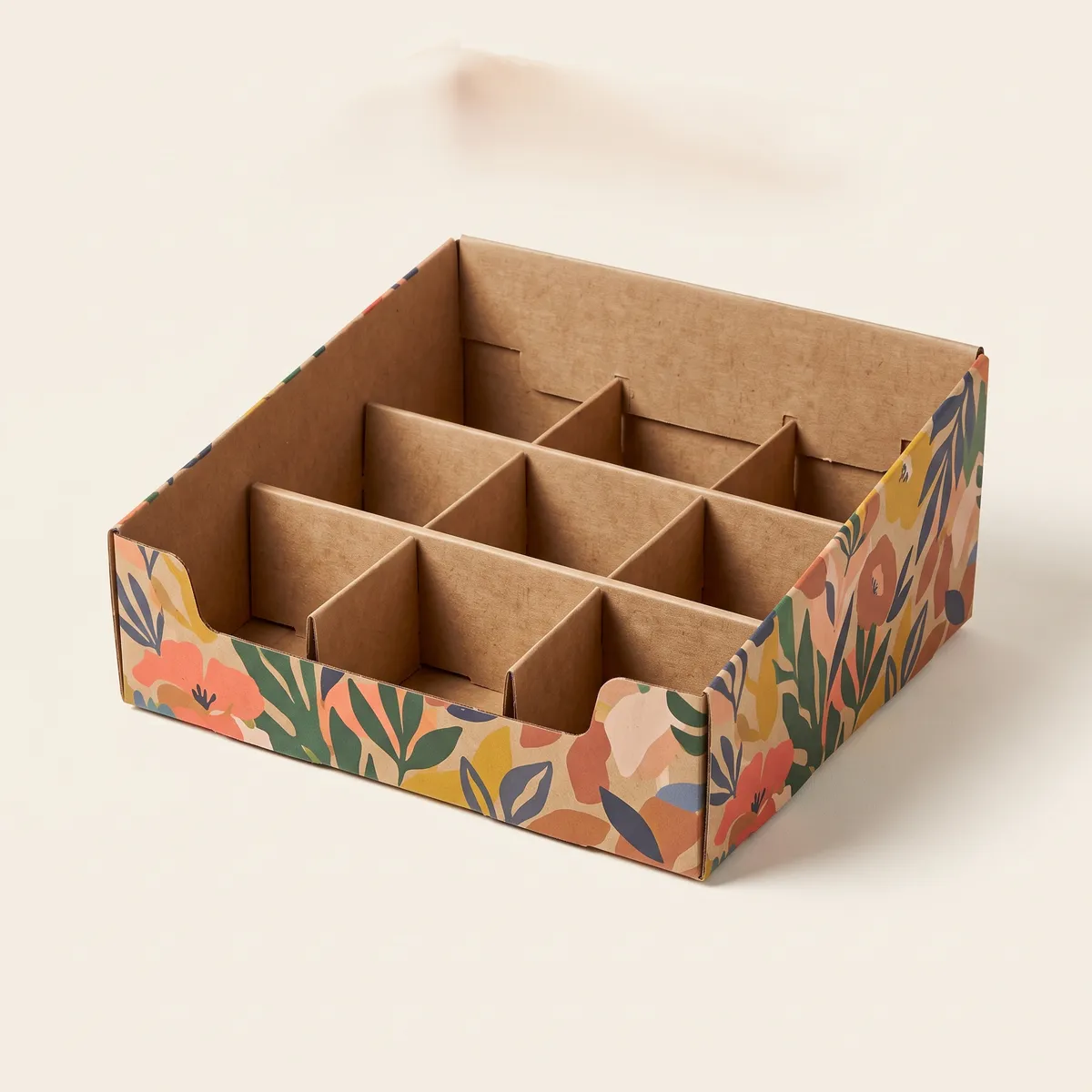
| Cavities | Arranged around the product |
| Dimensions | Internal, confirmed in writing |
Unbleached long-fiber board gets its strength from the pulping process, which keeps the fibers long instead of breaking them down. For heavier product, kraft is also available as the liner on corrugated, which gives the same brown look on a stronger board.
Why Bare Fiber Sells Some Ranges and Mutes Others
Kraft works when the board says something the product wants said. Handmade soap, candles, coffee and natural food use it because the brown look supports their story, and customers read it as simple and honest. For those ranges, a bright white or glossy unit would look out of place. Kraft works against products that depend on color. Because the fiber absorbs ink and shifts every hue, bright packaging looks dull in front of it, so a brand selling vivid sweets or colorful cosmetics is better off on white board. For makers stocking bars at market stalls, kraft is the natural match: the soap is often wrapped in kraft already, and the unit makes the whole stall look consistent.
Two Colors, Metallic Foil and Texture Without Ink
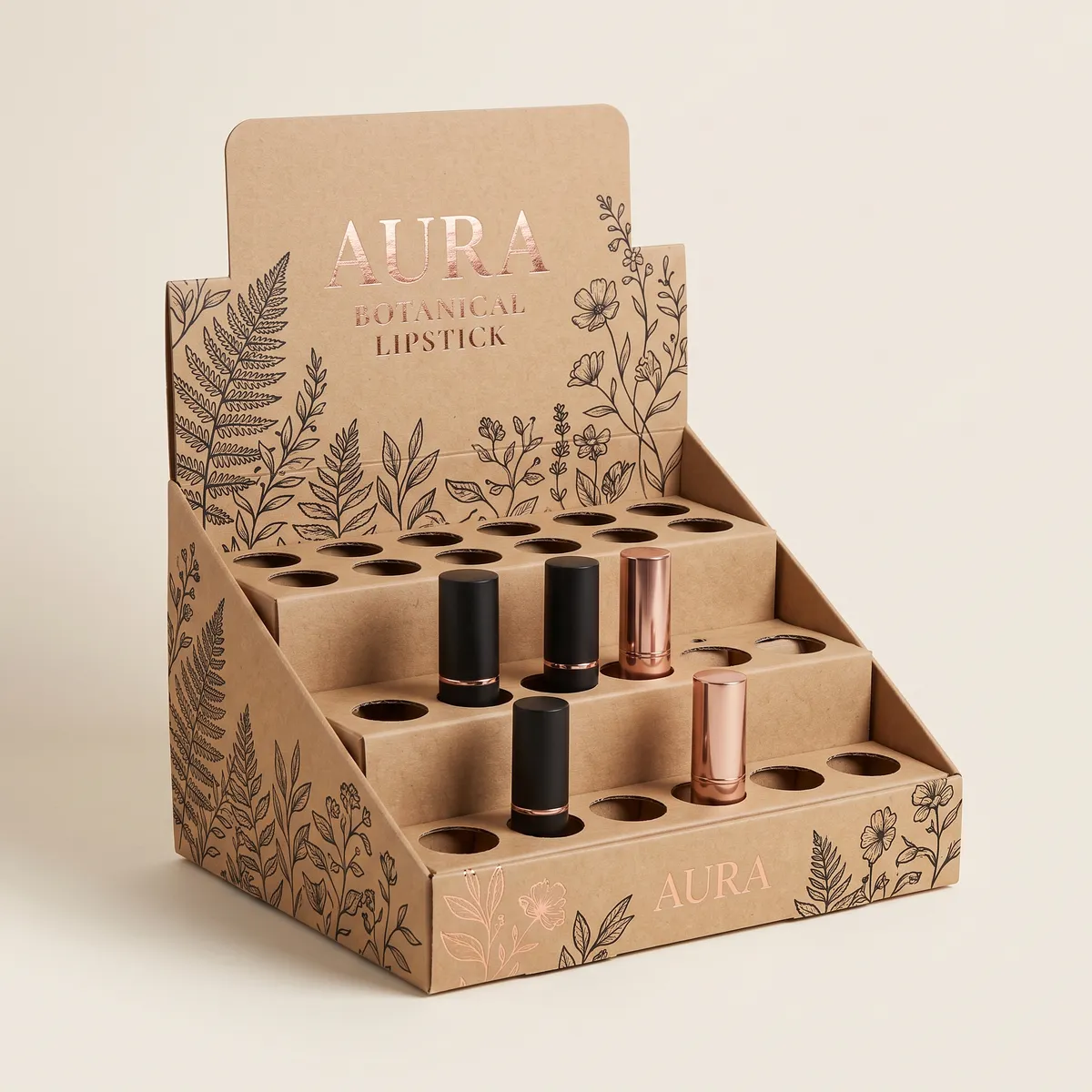
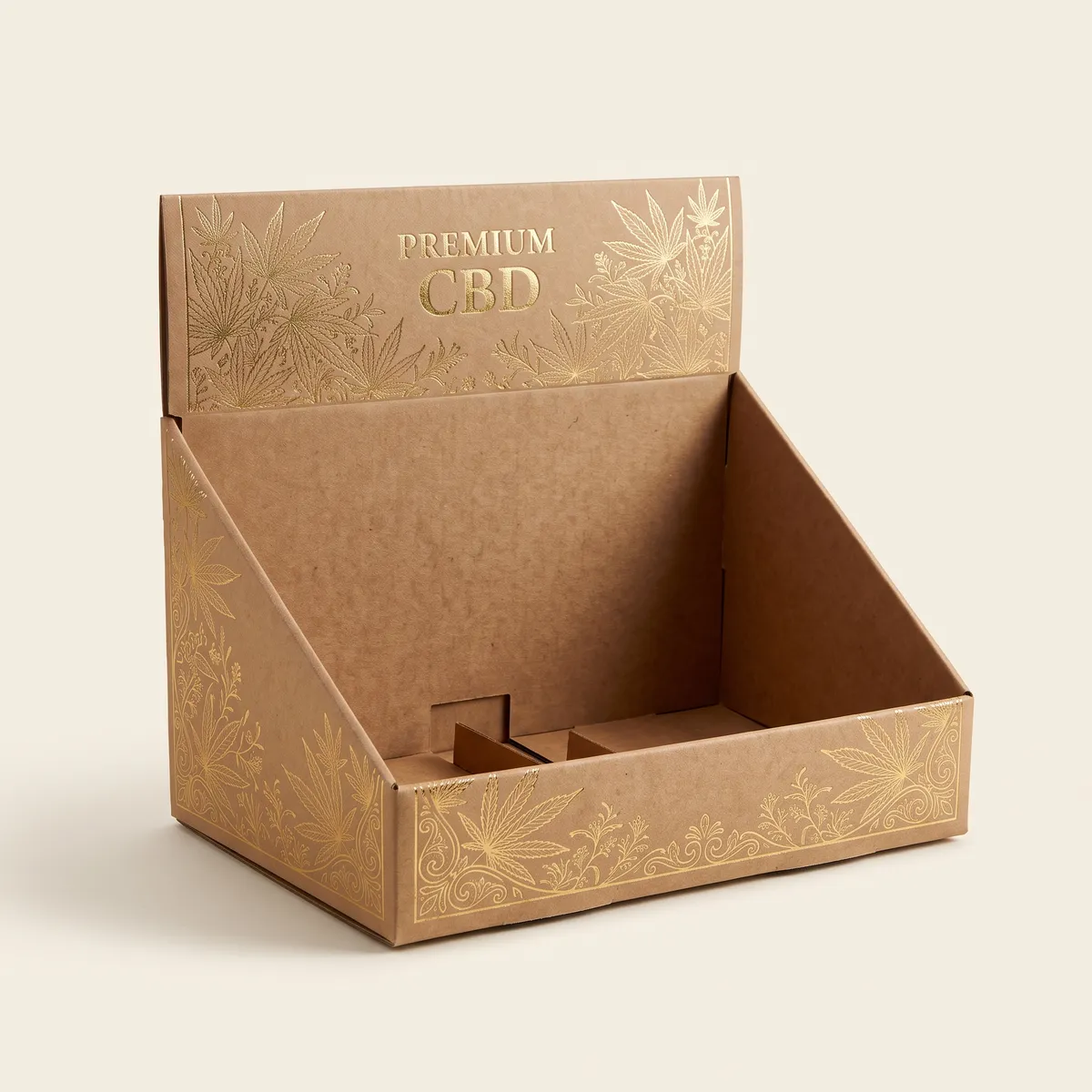
Kraft rewards restraint. One or two colors in dark ink, usually black, dark green or deep brown, read clearly against the board and look deliberate. Bright colors shift and soften, so plan the palette for kraft rather than adapting artwork made for white. If one color has to be accurate, a white underprint goes down first, at the cost of an extra pass. Foil stands out strongly against brown and is one of the best finishes on this stock, giving a crafted, high-end look. Blind embossing adds texture with no ink at all, which suits brands avoiding coatings. Most kraft units are left without film, since much of the appeal is the bare, uncoated surface.
Kraft Counter Units for Roasters, Tea Sellers and Candle Makers
Bean and drip-bag sellers at the till are among the most frequent buyers, placing small bags and single-serve packs beside the register in cafés and roasteries. Tea sellers do the same with sample packs and boxed tea. Candle and soap makers use kraft units in gift shops and at craft fairs. Bakers and food producers use them for granola, honey and packaged snacks in farm shops and delis. Zero-waste and refill stores use them because the look matches their own shelving. Small brands selling at markets often order a kraft unit as the centerpiece of their stall, so that every product on the table sits on the same natural board.
Proofing Brown Board So the Ink Shift Isn't a Surprise
Kraft shifts color, so the proof stage matters more here than on white board. We'll show how your colors are likely to sit on brown, and palette changes are free and unlimited before anything prints. Product size and capacity are all we need to draw the dieline. The quote includes dies, plates and setup, with nothing added later. Production follows in 8–12 business days; rush shortens that and is priced separately, before you order. Shipping is included. Every unit is checked in three stages before it leaves, and a run that departs from the approved proof is reprinted without charge to you.
One connected process, start to finish.
Structural Design
Dieline drafted to your exact fit and freight tolerances.
Proof & Sample
Sign off on a digital proof, or request a physical sample.
Tooling
Dies and plates are cut for your job and archived on file.
Production
Print, die-cut, and assembly run under in-line quality checks.
Ship & Reorder
Freight goes out, and the cycle resets for your next run.
Steady process. Powerful results.
Like everything we build, our process is engineered to hold up — no shortcuts, no surprises. Five dependable stages that run the same way every single time, so reorders are just as fast as the first order.
- One dedicated teamFrom first sketch to final freight, the same people carry your order start to finish.
- Dies archived on fileReorders skip tooling and re-setup entirely — we already have your exact spec.
- Checked against your sign-offEvery run is inspected against the digital proof or physical sample you approved.
Set up your file once, correctly
Nine in ten delayed jobs are delayed by artwork, not production. Match these four rules and your proof lands the next morning.
- Bleed1/8 in (3 mm) past every cut line
- Safe ZoneKeep text 1/4 in clear of every crease
- ColourCMYK or named Pantone. No RGB.
- Resolution300 dpi at final size, fonts outlined
No print-ready file?
Send a logo and a rough idea. Our studio builds the production file free with any order over 500 units — you keep the source file either way.
Ask the StudioBackground art must run all the way to the outer bleed edge. Anything inside the white dashed line survives fold tolerance.
What brands say about this box
They live there rather than here, where we can't edit them, delete them, or pick which ones you get to see. That is exactly what makes them worth reading.
Read all reviews on Trustpilot(opens in a new tab)Answers before you have to ask.
Does kraft suit every kind of display?
Not all of it. Kraft suits natural, artisan and eco-positioned ranges where the material is part of the message. For bright consumer goods it mutes exactly the colors that make a display work.
Are kraft displays recyclable?
Yes. Kraft is unbleached pulp and recycles easily, which suits brands whose customers check materials. If you need to meet a specific retailer screen, tell us and we'll spec accordingly.
Is kraft cheaper than coated board?
Usually slightly, since coated board is bleached and treated. The gap narrows at volume, and for displays the deciding factor is usually whether your product needs vivid color behind it.
How long do kraft display boxes take?
About 8–12 business days once you approve the proof. Rush production is available at an extra cost quoted first, with shipping included in what you pay.
What's the minimum on kraft display boxes?
100 units. Kraft displays suit smaller and artisan brands particularly well, and the low minimum means you can match display orders to your actual retail footprint.