
Cookie Bags
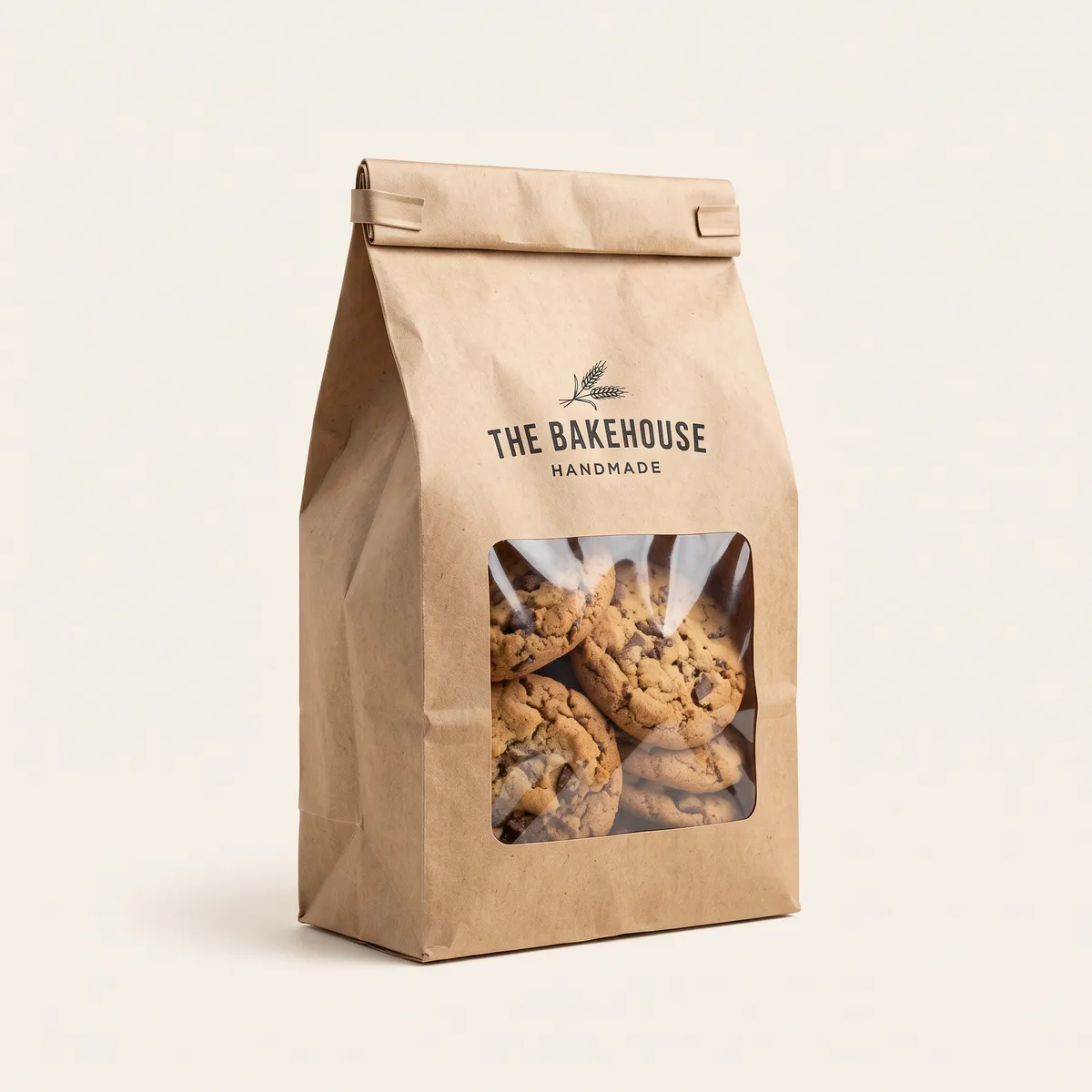
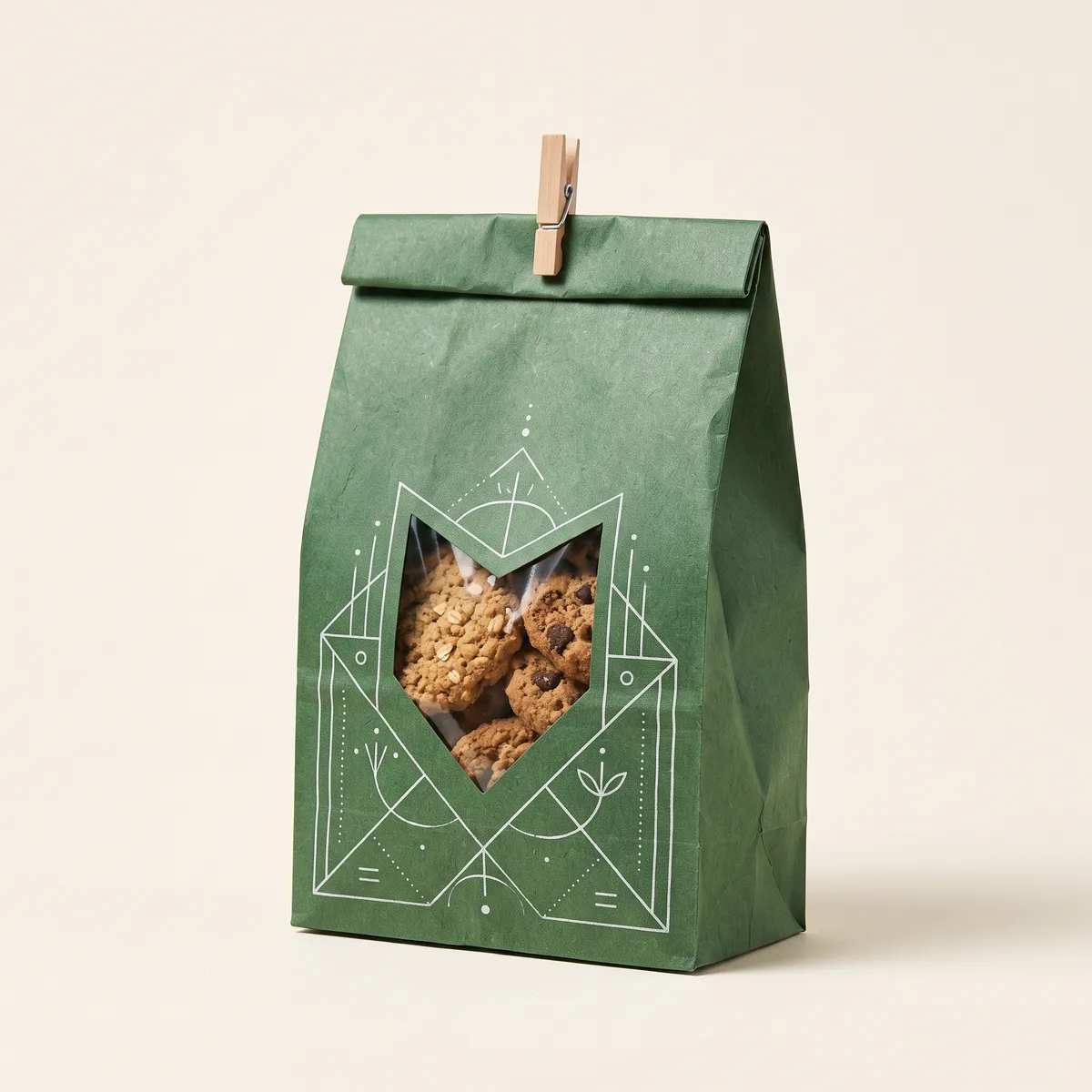
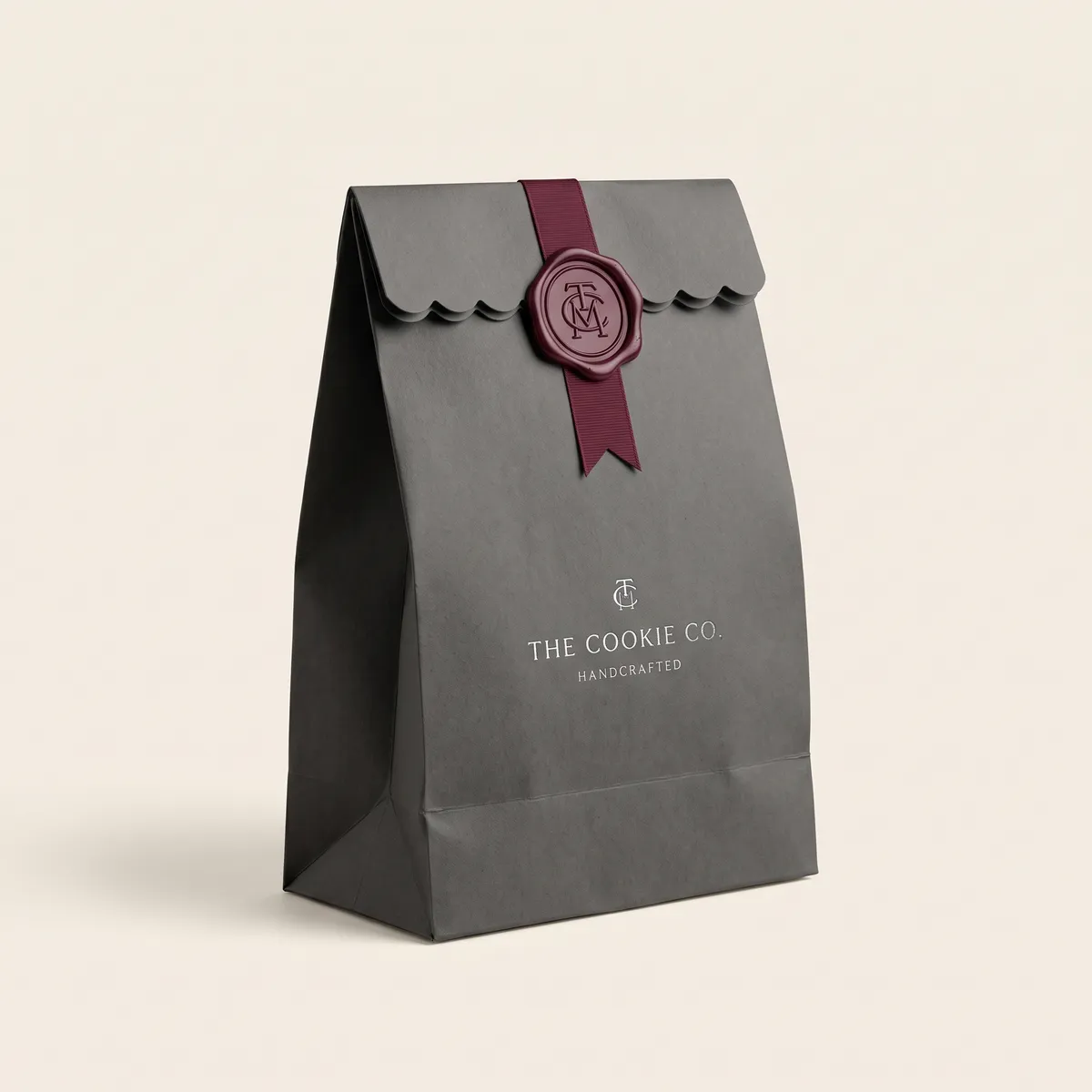
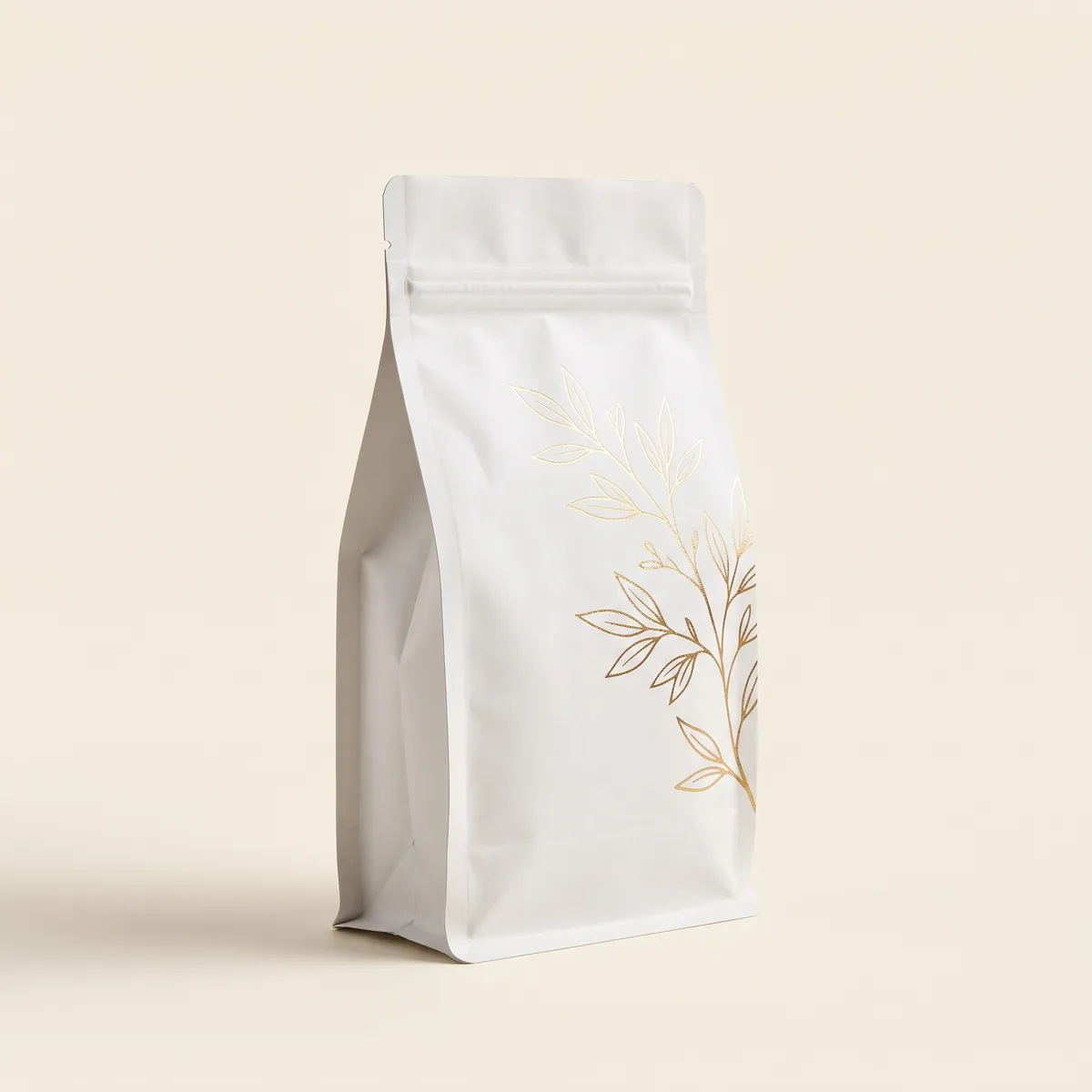
Cookie bags come flat, gusseted or with a clear window panel, and they cost considerably less than boxes while still carrying your branding. The trade is protection: a bag does nothing against crushing, so it suits counter and grab-and-go sales rather than shipping. Bags are among the cheapest formats we make, which makes them practical for trialing a design before committing it to boxes.
Ours are on Trustpilot, where we can't edit them or choose which ones you see.
Read them on Trustpilot →(opens in a new tab)Four stages, twelve days
Quote confirmed
A specialist checks your spec against the board and comes back with a firm price inside 4 business hours.
Proof approved
You get a flat dieline and a 3D render. Nothing goes to press until you approve it in writing.
On press
Print, die-cut, glue, and fold. You get a press-side photo the day your job runs.
QC and delivery
Every pallet is sampled against the digital proof or physical sample you approved, then shipped with tracking to your dock or 3PL.
If a box doesn't match the digital proof or physical sample you approved, we reprint the run at no charge.
Read the reprint terms →Know exactly what you're ordering.
Cookie Bags for Grab-and-Go and Counter Sales
A cookie bag is for the sale that happens in seconds: one or two cookies picked from a basket by the register, a bag of broken pieces sold cheap at closing, or a market stall selling to people who'll eat them walking away. It's bought by cafés, coffee carts, bakeries and fair vendors who need branded packaging at the lowest possible cost per sale. The bag still carries your name and keeps the cookie clean in a pocket or a purse. It's a different product from a box, with a different job, and most bakeries end up using both.
Flat, Gusseted and Window Bag Specs
| Format | Best for |
|---|---|
| Flat | One or two cookies |
| Gusseted | Larger counts that need depth |
| Window panel | Letting the cookie do the selling |
Bags are commonly made from kraft paper as bag stock, printed with your branding on one or both faces. The material is food-safe, since it sits directly against the cookie. A gusset folds out at the sides or base to give the bag depth for a stack. The window is a clear panel set into one face. Bag size is cut to your largest cookie, with enough headroom to fold the top over.
Why a Bag Beats a Box Where Nothing Gets Crushed
A box earns its cost by protecting cookies from pressure. Where there's no pressure, a cookie bought and eaten within the hour, carried in a hand, that protection is paid for and never used. A bag does the jobs that remain: it keeps the cookie clean, carries the brand and costs a fraction of a box. It also stores in very little space under a counter. Where a counter product needs more shelf presence than a bag can give, a printed sleeve over a plain pack is the next step up, still cheaper than a full box. Anything traveling under other shopping, or by post, needs a box.
Branding a Bag: Print Area and Window Panel
A bag has less flat print area than a box, and part of it creases in use, so keep the design bold and simple. A logo centered in the upper half stays visible when the top is folded over. Dark inks read best on kraft, while pale shades lose strength against the brown paper. The window panel sits where the cookie naturally rests, usually lower center, so it shows the product rather than empty bag. A sticker seal across the folded top adds a second branding point and closes the bag at the same time. Keep fine detail away from the edges, where seams and gussets break up the artwork.
Cookie Bags for Coffee Carts, Fairs and Bake Sales
Drive-through coffee stands and coffee carts sell single cookies in bags at the window, where there's no room to stock boxes. Fairs, festivals and farmers' markets use bags for walk-away sales. School and charity bake sales buy printed bags to look organized without spending much. Bakeries bag broken or end-of-day cookies at a discount rather than throwing them out. Offices and hotels leave bagged cookies at reception or in meeting rooms. Cookie brands use bags for samples at in-store tastings. Anything posted, gifted formally or carried home under heavier shopping is where a bag stops being the right choice.
Ordering Bags in Runs of 100
The minimum is 100 bags, low enough to try a design at one market or one café before rolling it out. Free, unlimited design help fits a logo to a narrow bag face, and you approve a proof before anything runs. Bags are ready 8–12 business days after proof approval. Rush is extra and quoted before you order. Each run is inspected three times, and shipping comes inside the price. Because bags cost little per unit, many bakers order them in the same artwork as their boxes, so the counter and the box range read as one brand.
One connected process, start to finish.
Structural Design
Dieline drafted to your exact fit and freight tolerances.
Proof & Sample
Sign off on a digital proof, or request a physical sample.
Tooling
Dies and plates are cut for your job and archived on file.
Production
Print, die-cut, and assembly run under in-line quality checks.
Ship & Reorder
Freight goes out, and the cycle resets for your next run.
Steady process. Powerful results.
Like everything we build, our process is engineered to hold up — no shortcuts, no surprises. Five dependable stages that run the same way every single time, so reorders are just as fast as the first order.
- One dedicated teamFrom first sketch to final freight, the same people carry your order start to finish.
- Dies archived on fileReorders skip tooling and re-setup entirely — we already have your exact spec.
- Checked against your sign-offEvery run is inspected against the digital proof or physical sample you approved.
Set up your file once, correctly
Nine in ten delayed jobs are delayed by artwork, not production. Match these four rules and your proof lands the next morning.
- Bleed1/8 in (3 mm) past every cut line
- Safe ZoneKeep text 1/4 in clear of every crease
- ColourCMYK or named Pantone. No RGB.
- Resolution300 dpi at final size, fonts outlined
No print-ready file?
Send a logo and a rough idea. Our studio builds the production file free with any order over 500 units — you keep the source file either way.
Ask the StudioBackground art must run all the way to the outer bleed edge. Anything inside the white dashed line survives fold tolerance.
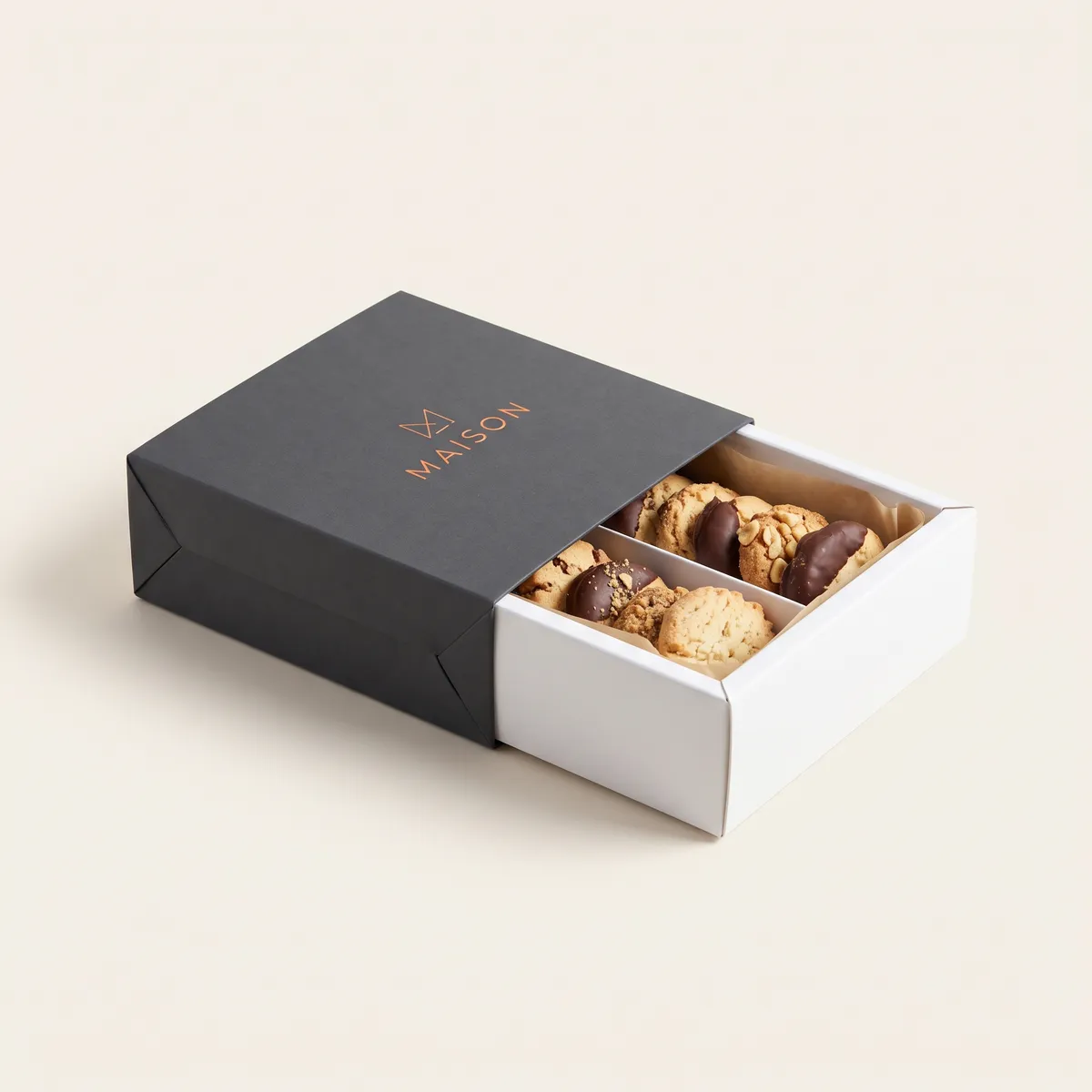
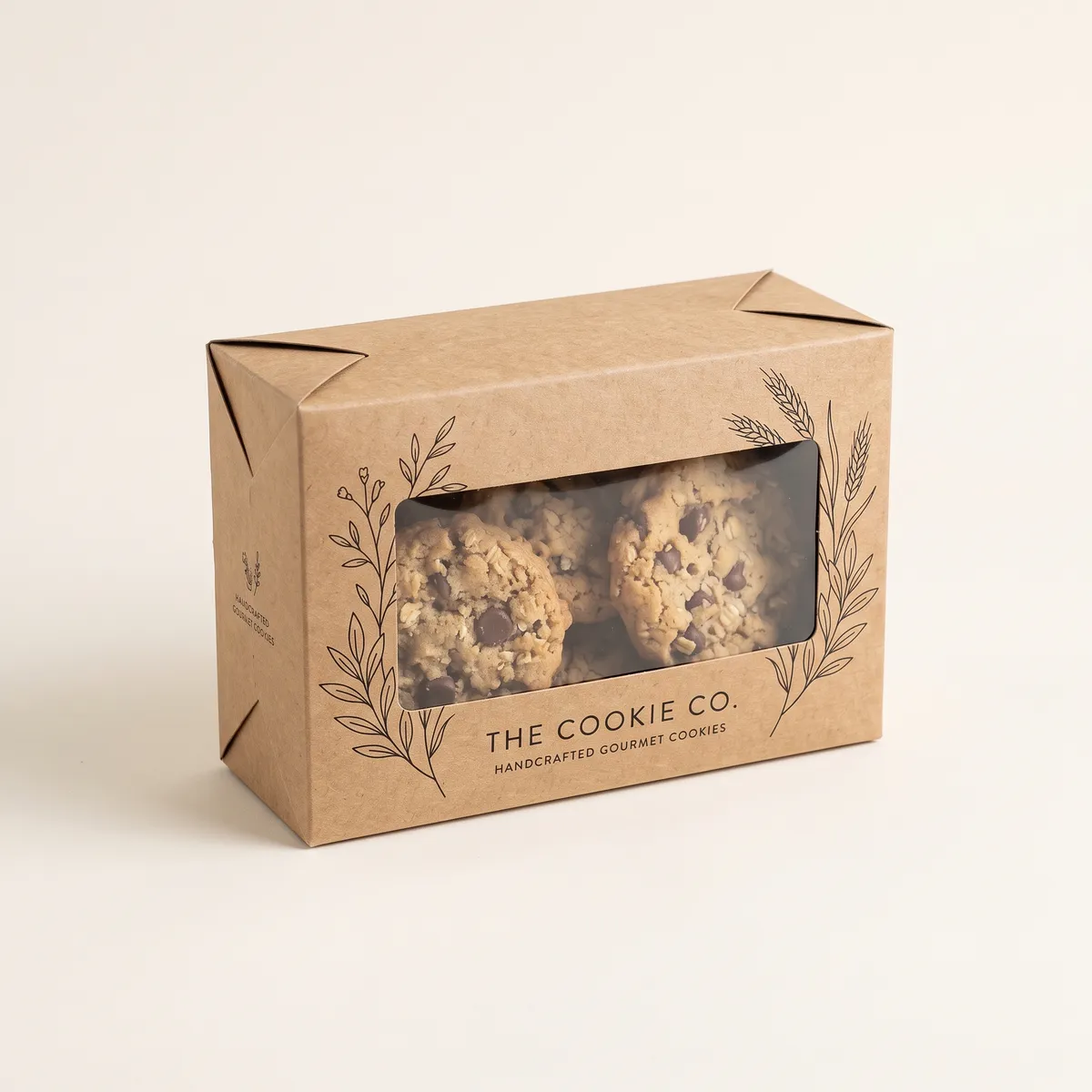
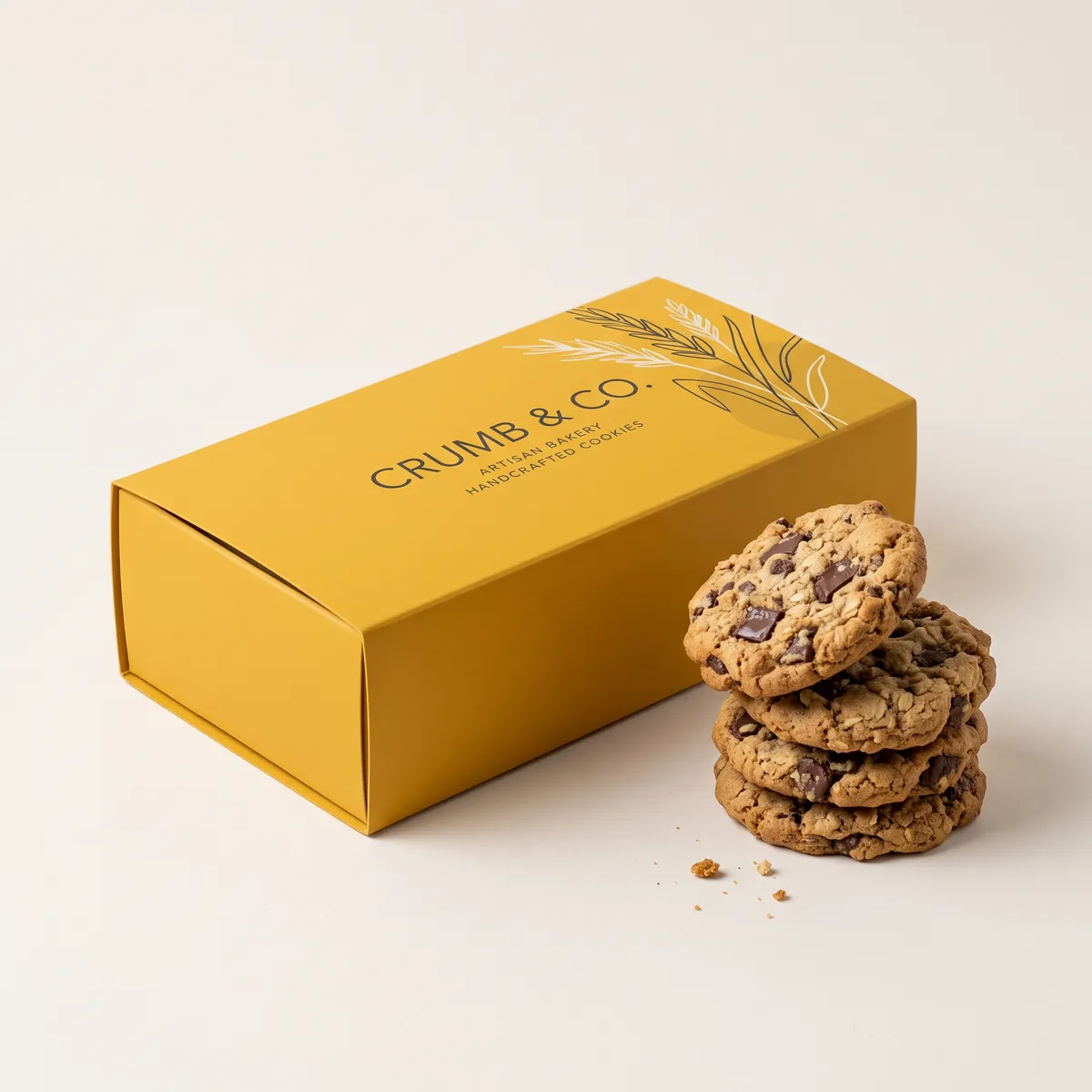
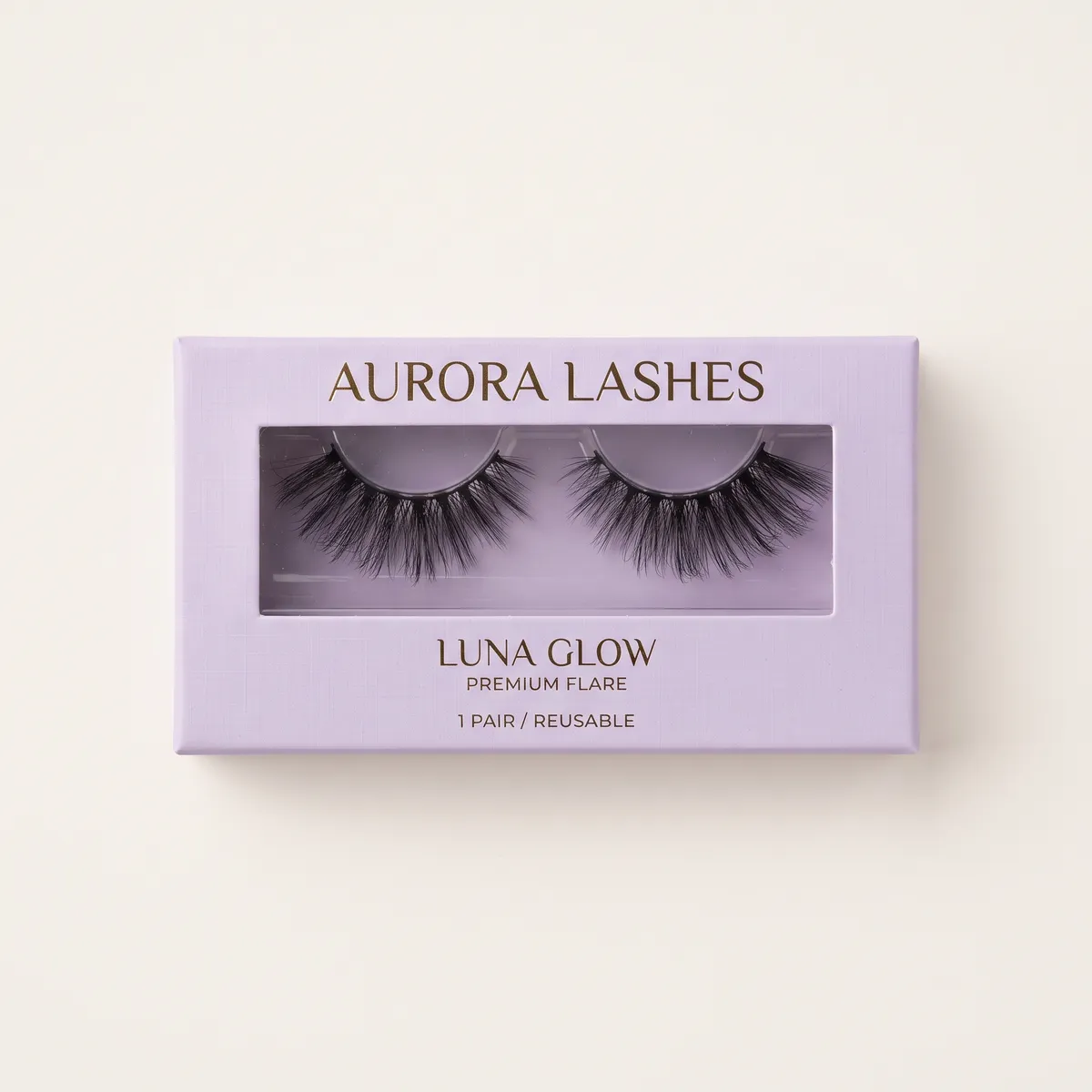

What brands say about this box
They live there rather than here, where we can't edit them, delete them, or pick which ones you get to see. That is exactly what makes them worth reading.
Read all reviews on Trustpilot(opens in a new tab)Answers before you have to ask.
Do cookie bags protect as well as boxes?
Less, and that's the trade. A bag holds cookies and carries branding at a much lower cost, but offers little protection against crushing. For counter and grab-and-go it's usually fine; for shipping it isn't.
Can cookie bags have a window?
Yes. A clear window panel in a bag lets customers see the product, which matters for counter and grab-and-go sales where the cookie itself does the selling.
Are bags cheaper than boxes?
Considerably, since they use less material and a simpler process. The trade is protection — a bag does nothing against crushing, so it suits counter sales rather than shipping.
What's the lead time on cookie bags?
Around 8–12 business days once the proof is approved, window panel included. Rush production is available at a quoted premium, with shipping included.
What's the minimum order for cookie bags?
100 bags. Bags are among the cheapest formats we make, which makes them practical for trialing a design before committing it to boxes.