
Beer Carriers
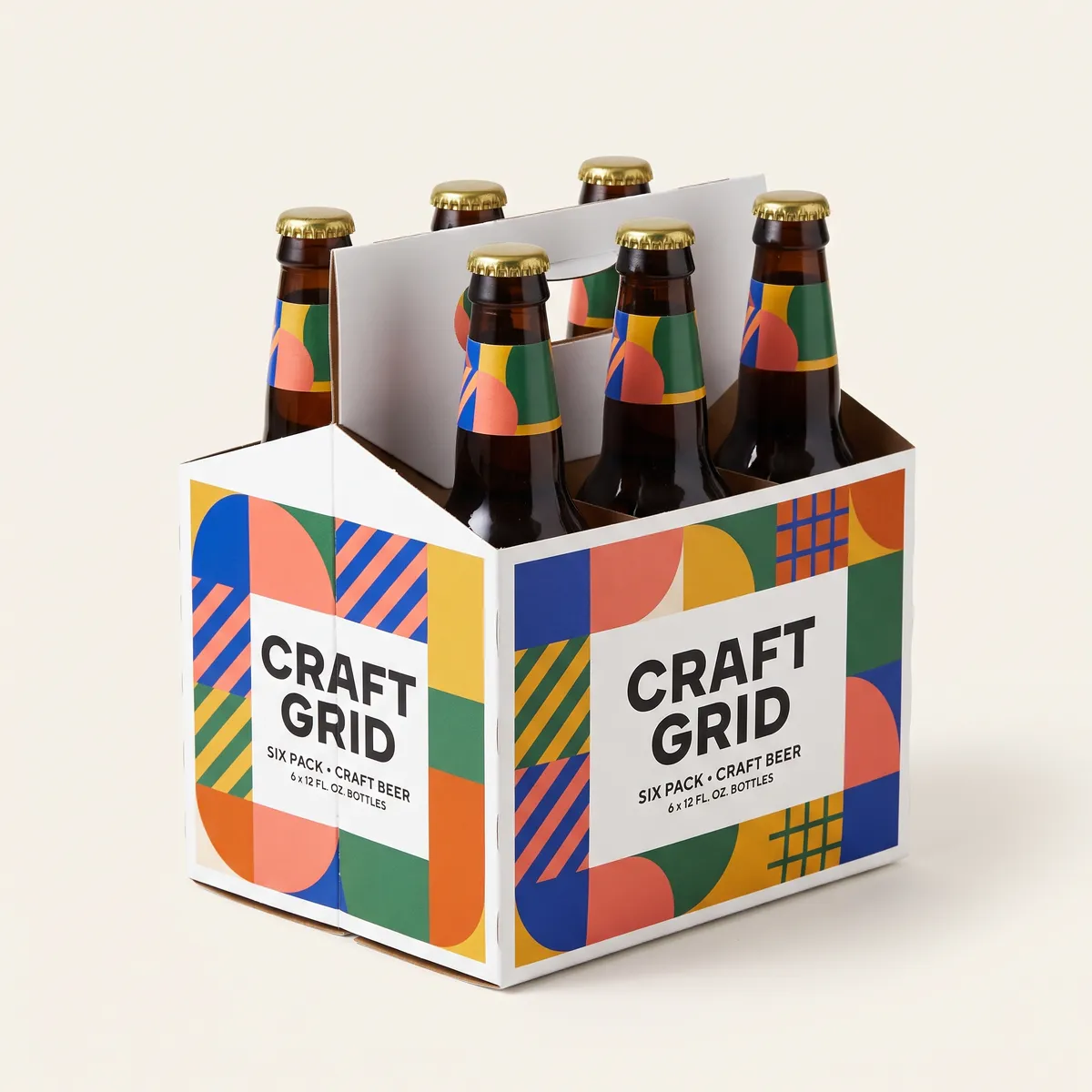
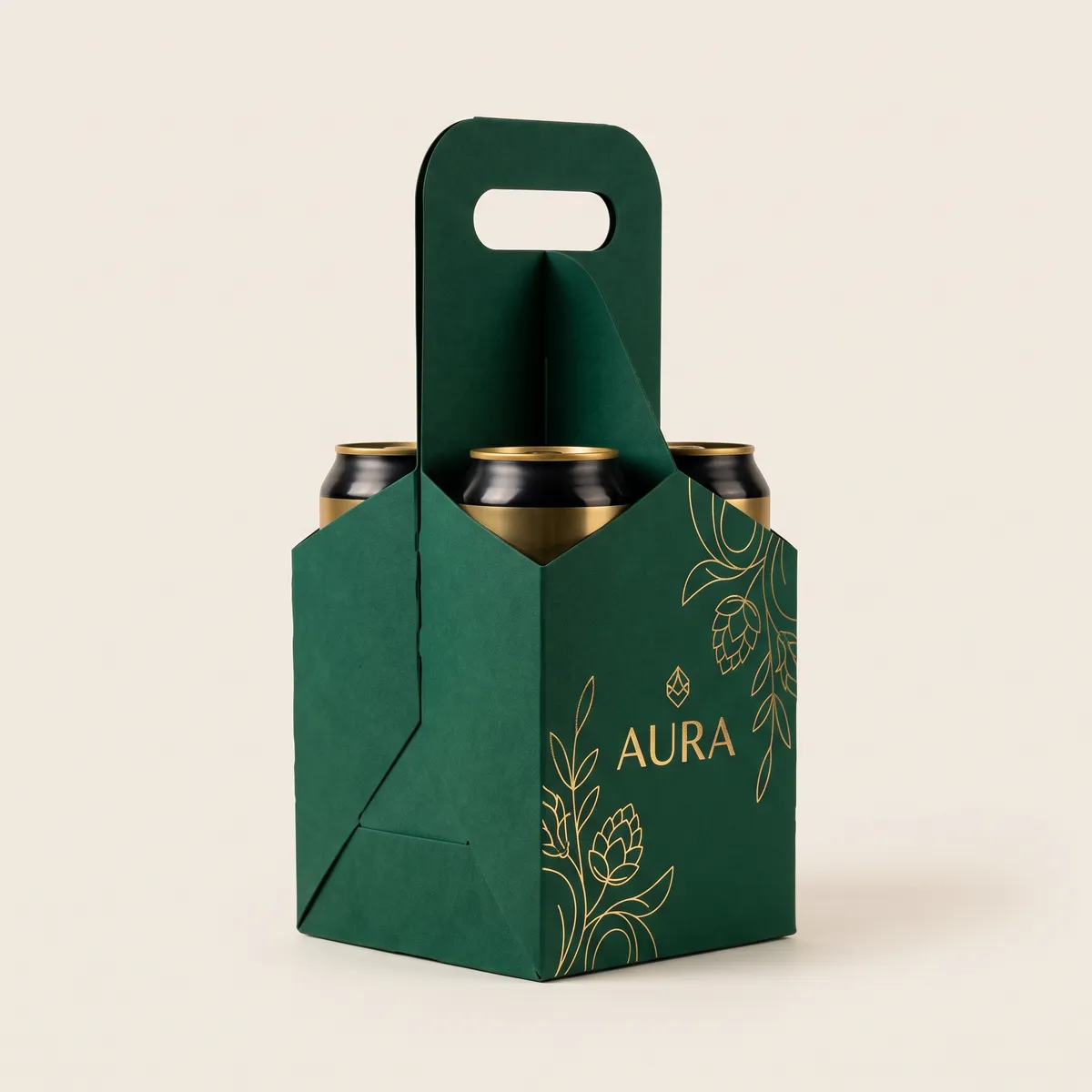
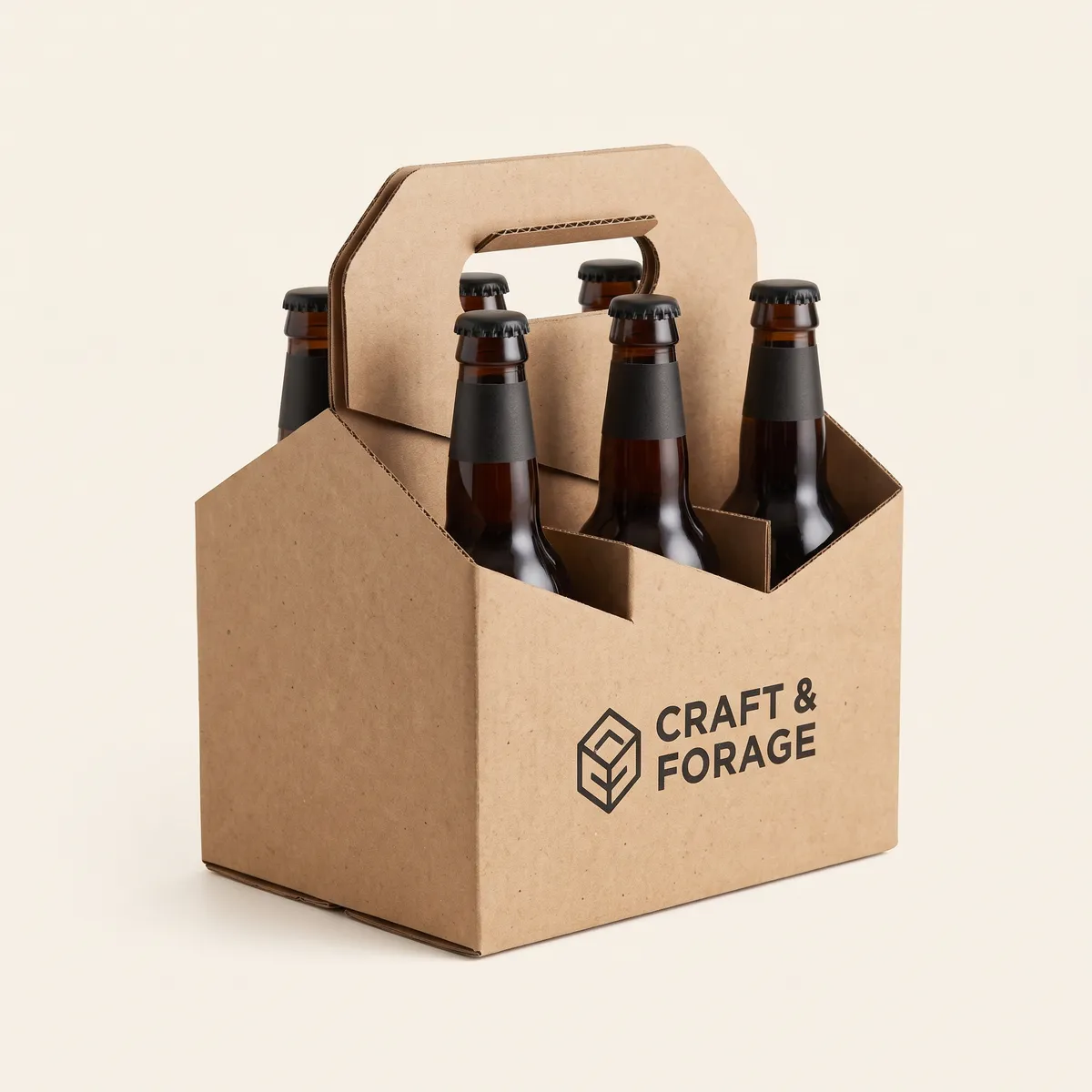
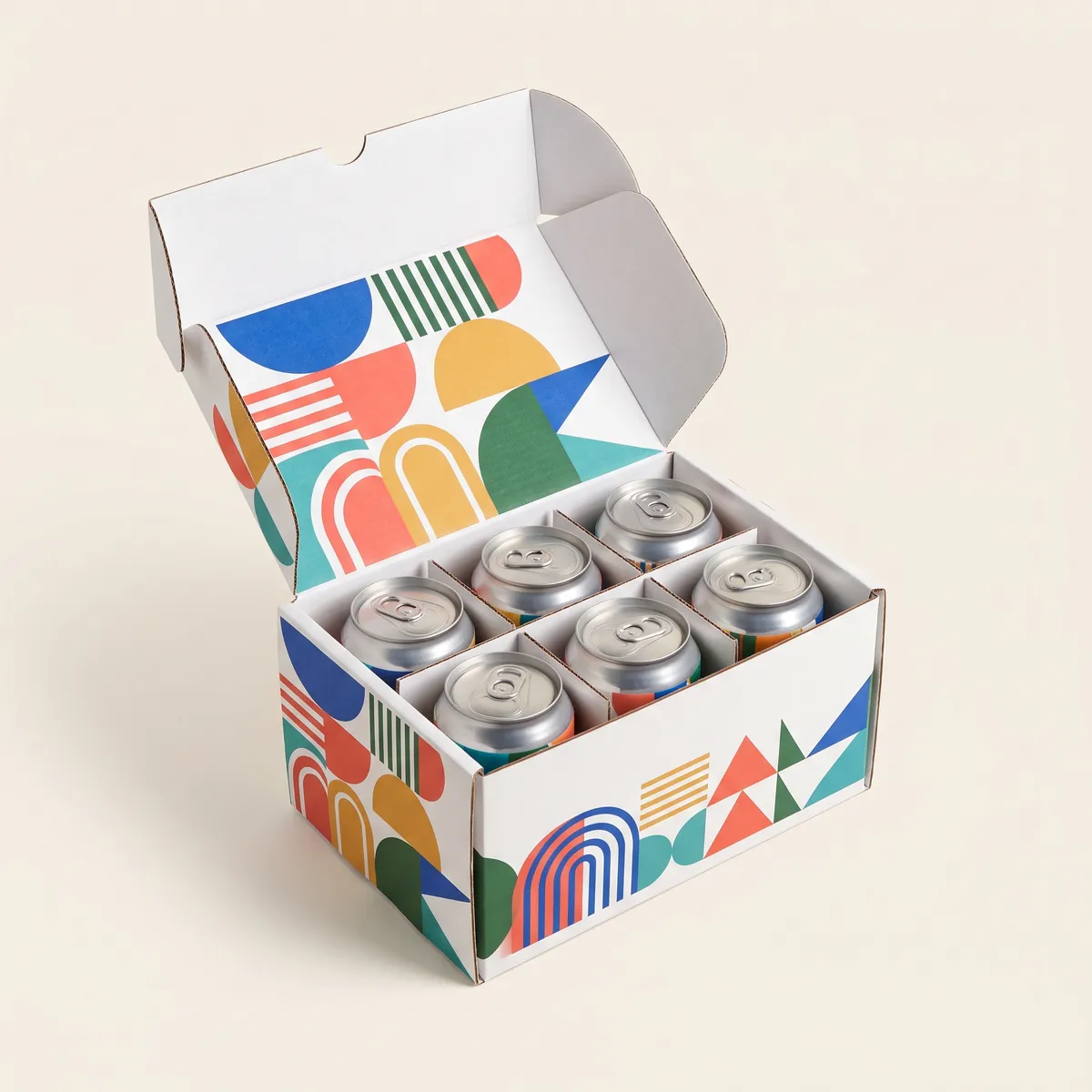
Beer carriers fail at the handle first, and since the handle is part of the carrier blank, board selection decides whether it tears under a full six-pack. We specify stock to your pack weight. Four-packs and six-packs are the usual sizes, run together on one design, and mixed packs get divisions cut to each bottle or can. Carriers use less board than fully enclosed boxes.
Ours are on Trustpilot, where we can't edit them or choose which ones you see.
Read them on Trustpilot →(opens in a new tab)Four stages, twelve days
Quote confirmed
A specialist checks your spec against the board and comes back with a firm price inside 4 business hours.
Proof approved
You get a flat dieline and a 3D render. Nothing goes to press until you approve it in writing.
On press
Print, die-cut, glue, and fold. You get a press-side photo the day your job runs.
QC and delivery
Every pallet is sampled against the digital proof or physical sample you approved, then shipped with tracking to your dock or 3PL.
If a box doesn't match the digital proof or physical sample you approved, we reprint the run at no charge.
Read the reprint terms →Know exactly what you're ordering.
Beer Carriers for Taprooms, Bottle Shops and Brewery Retail
A beer carrier is how four or six bottles or cans leave a counter in one hand. Taprooms use them for to-go sales at the end of a visit, bottle shops for packs customers build themselves, and breweries for their own retail and canned releases. For a small brewery, the carrier is often the only branded packaging it buys, so it carries the logo, the beer name and the brewery's look all at once. Most carriers are folding builds cut from a single sheet, delivered flat and assembled at the bar or on the packing line. They are bought in volume and used up quickly, so cost per unit matters more here than it does on a gift box.
Carrier Board, Handle and Pack-Size Specs
Carriers are cut from corrugated stock rated to the pack weight, with the handle die-cut from the same blank.
| Attribute | Specification |
|---|---|
| Board | Corrugated, chosen to the filled pack weight |
| Handle | Cut from the carrier blank |
| Pack sizes | Four-pack and six-pack |
| Dividers | Cut to each bottle or can |
| Sizes | Cut to your container's height and diameter |
Tell us whether the pack holds cans, standard bottles or tall bottles. A six-pack of glass weighs far more than a six-pack of cans, and the board is chosen from that figure rather than from the carrier's size.
How a Gable Carrier Carries Its Load
Lift a full six-pack by its handle and the weight has to go somewhere. Beer carriers are commonly made as a gable-shaped carrier with the handle in the blank, where two sloped side panels rise to meet at the handle, so the pack pulls up through the walls rather than across a flat lid. The dividers do a second job: they keep the containers apart and brace the walls, so the carrier doesn't fold in on itself when it's lifted. That is how a gable carrier holds a full glass six-pack on corrugated that would sag as an open tray. Where it is more than you need: a single can or a pair, which a sleeve or a bag carries for less.
Branding the Side Panels of a Four- or Six-Pack
The two long side panels do the selling. On a fridge shelf or a bar back, they are the only part a customer sees, so the brand and beer name go there, sized to read from a few feet away. The end panels suit style, strength and pack size, and the handle area is best left plain, since hands wear it. Corrugated takes one- or two-color print cleanly, while fine type below about 8pt softens on fluted board. A moisture-resistant coating is worth adding if the carrier lives in a fridge, where condensation softens bare board. Leave a clear panel for the alcohol statements your market requires; you confirm which apply, and we print them as supplied.
Beer Carriers Beyond the Taproom
The same carrier works anywhere bottles or cans leave in fours or sixes. Craft soda, kombucha and cold-brew makers use them for retail packs. Bottle shops order carriers printed with the shop's own name for mixed six-packs that customers pick from the fridge. Restaurants and pizza shops use them for drinks sold with takeout orders, so the bottles don't roll around a delivery bag. Festivals and beer gardens use them so one person can carry a round back to the table. Cider makers and seltzer brands run them alongside their cans. For a single bottle sold as a gift, a carrier undersells it, and a closed bottle box fits better.
Getting a Carrier From Pack Weight to Proof
Start with the container. Send its height, its diameter and the filled weight of a full pack, and we match the board and build a dieline, confirming the measurements in writing. Our designers work on the artwork free of charge, revising as often as you need. Production runs 8–12 business days after approval, with rush at an extra cost quoted before you order. The handle die sits in the quote alongside plates and setup, so no charges appear later, and shipping is included. Carriers are inspected at three stages before they leave us. The minimum is 100 carriers, and orders above 10,000 come with free samples, which suits breweries rolling one carrier design out across a whole range.
One connected process, start to finish.
Structural Design
Dieline drafted to your exact fit and freight tolerances.
Proof & Sample
Sign off on a digital proof, or request a physical sample.
Tooling
Dies and plates are cut for your job and archived on file.
Production
Print, die-cut, and assembly run under in-line quality checks.
Ship & Reorder
Freight goes out, and the cycle resets for your next run.
Steady process. Powerful results.
Like everything we build, our process is engineered to hold up — no shortcuts, no surprises. Five dependable stages that run the same way every single time, so reorders are just as fast as the first order.
- One dedicated teamFrom first sketch to final freight, the same people carry your order start to finish.
- Dies archived on fileReorders skip tooling and re-setup entirely — we already have your exact spec.
- Checked against your sign-offEvery run is inspected against the digital proof or physical sample you approved.
Set up your file once, correctly
Nine in ten delayed jobs are delayed by artwork, not production. Match these four rules and your proof lands the next morning.
- Bleed1/8 in (3 mm) past every cut line
- Safe ZoneKeep text 1/4 in clear of every crease
- ColourCMYK or named Pantone. No RGB.
- Resolution300 dpi at final size, fonts outlined
No print-ready file?
Send a logo and a rough idea. Our studio builds the production file free with any order over 500 units — you keep the source file either way.
Ask the StudioBackground art must run all the way to the outer bleed edge. Anything inside the white dashed line survives fold tolerance.
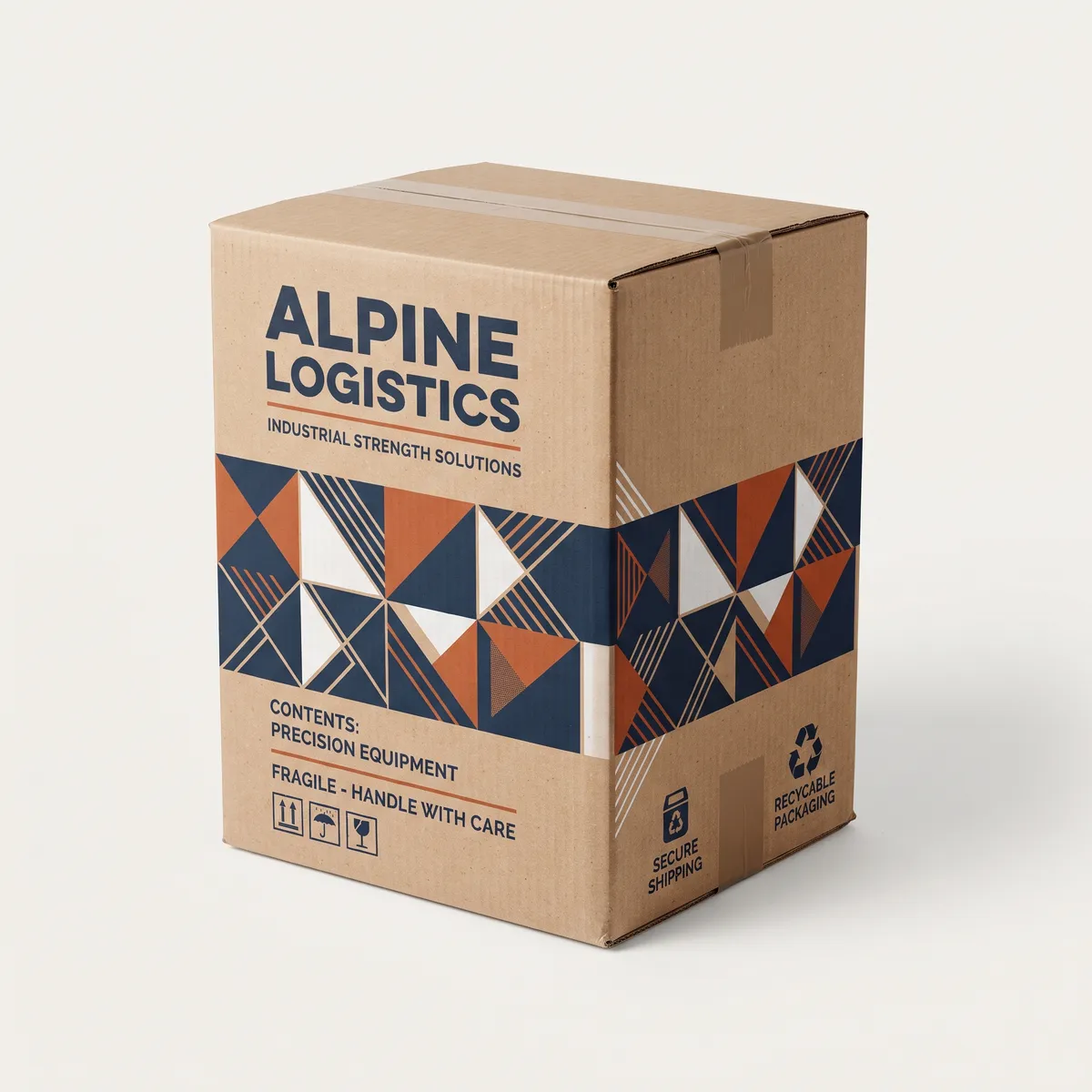
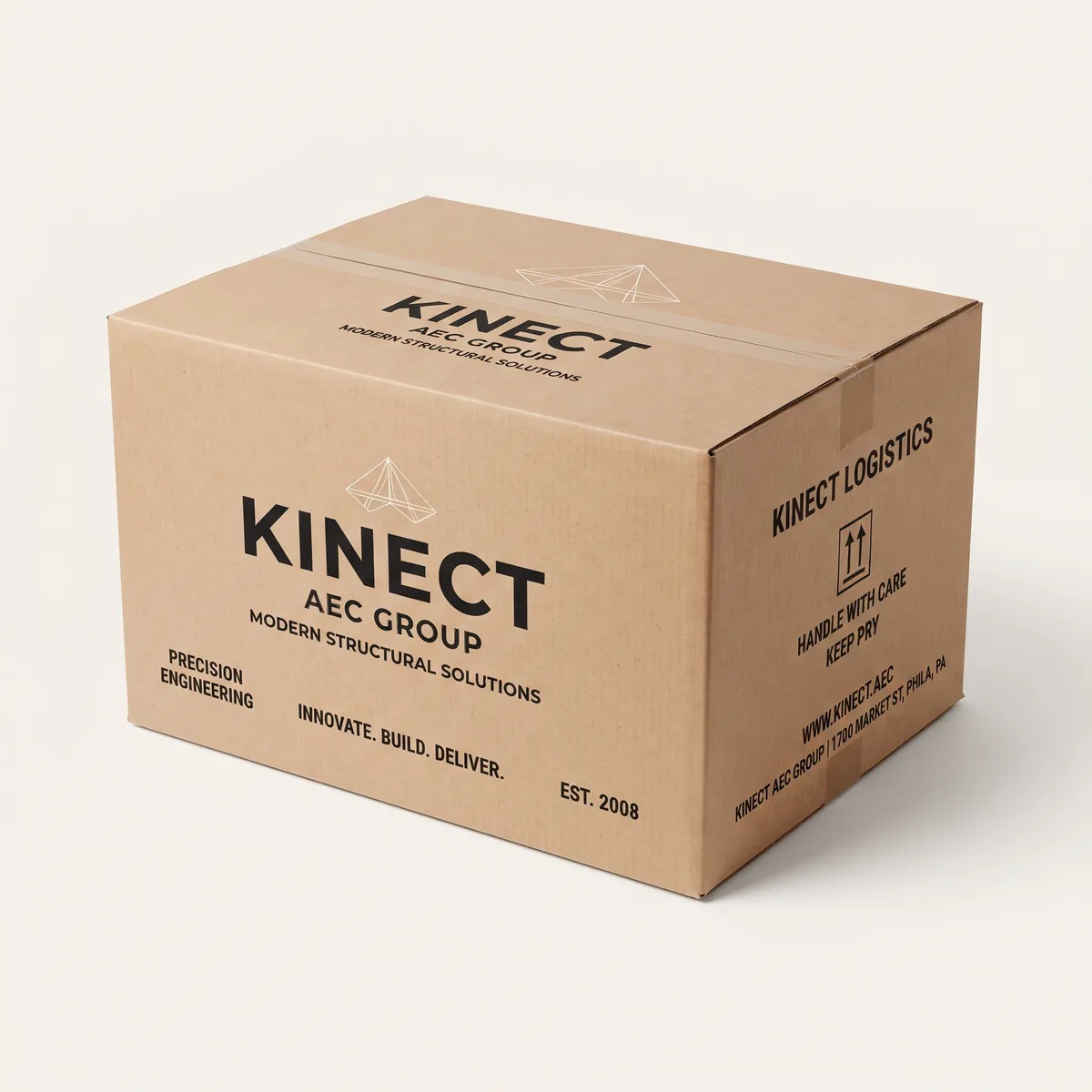
What brands say about this box
They live there rather than here, where we can't edit them, delete them, or pick which ones you get to see. That is exactly what makes them worth reading.
Read all reviews on Trustpilot(opens in a new tab)Answers before you have to ask.
How much weight can a beer carrier handle take?
That depends on the board and how the handle is cut. The handle is part of the same sheet, so it's only as strong as the stock. Tell us the pack weight and we'll spec board that won't tear.
Can beer carriers hold mixed packs?
Yes, with dividers cut to each bottle or can format. Mixed four-packs and six-packs are increasingly common, and each division is cut to the specific container.
Are carriers cheaper than boxes?
Usually, since they use less board than a full enclosed box. The handle adds a die cost but the material saving generally outweighs it, particularly at the volumes carriers run at.
What's the lead time on beer carriers?
About 8–12 business days from proof approval, handle included. Rush is available at an extra cost stated upfront, with shipping included in the price.
Can carriers be ordered in several pack sizes?
Yes. Four-packs and six-packs are the usual two, and running them together shares setup while keeping your branding consistent across both.