
Playing Card Boxes
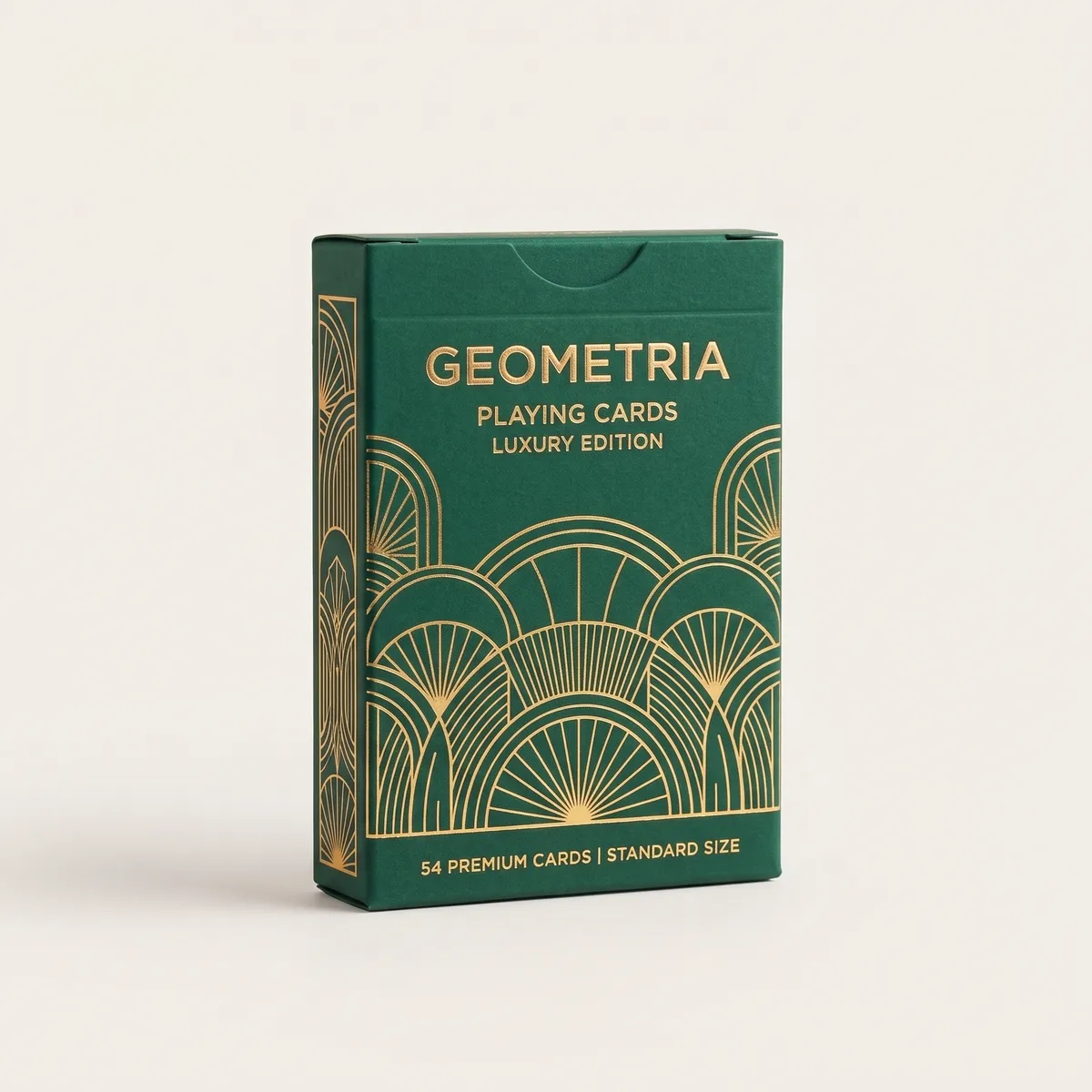
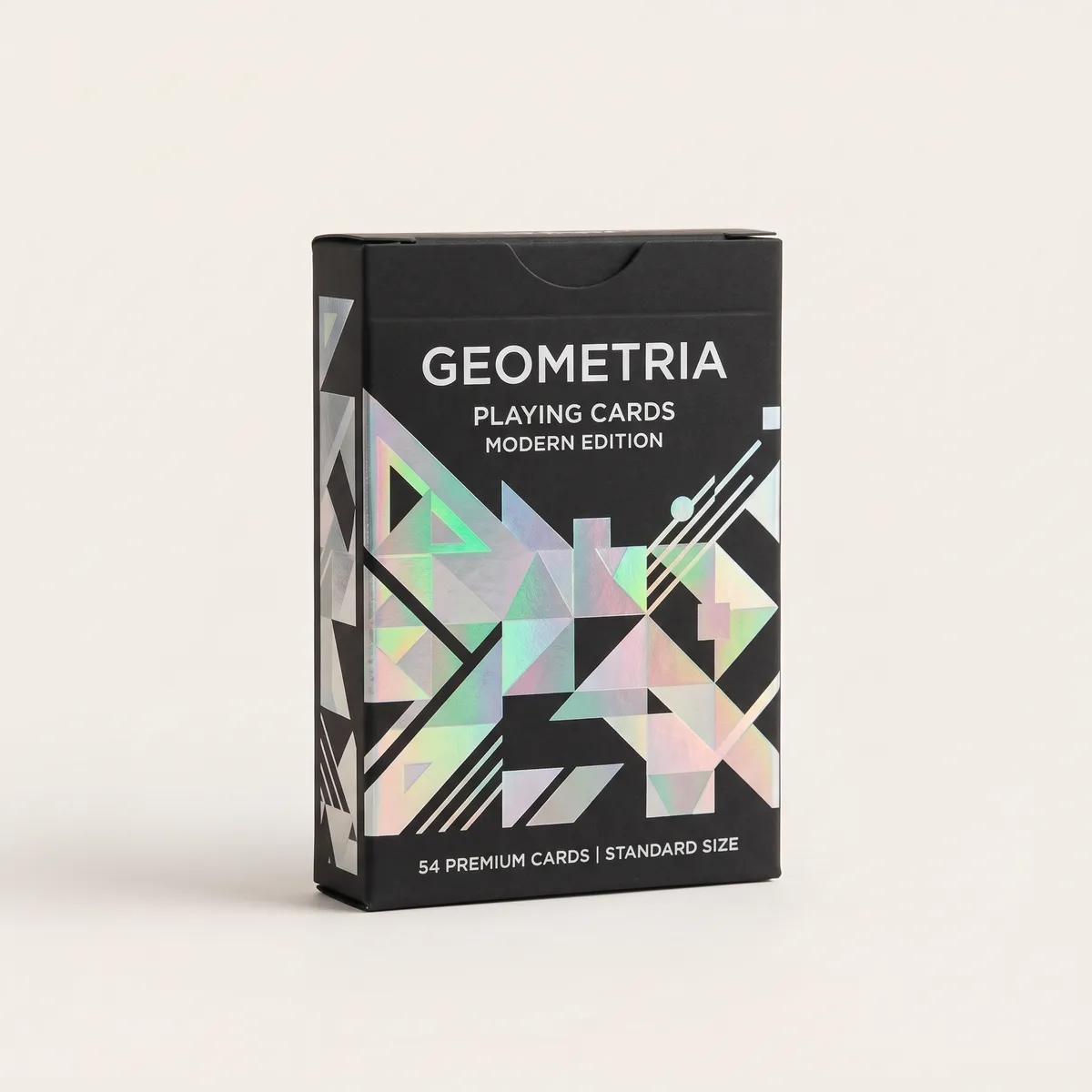
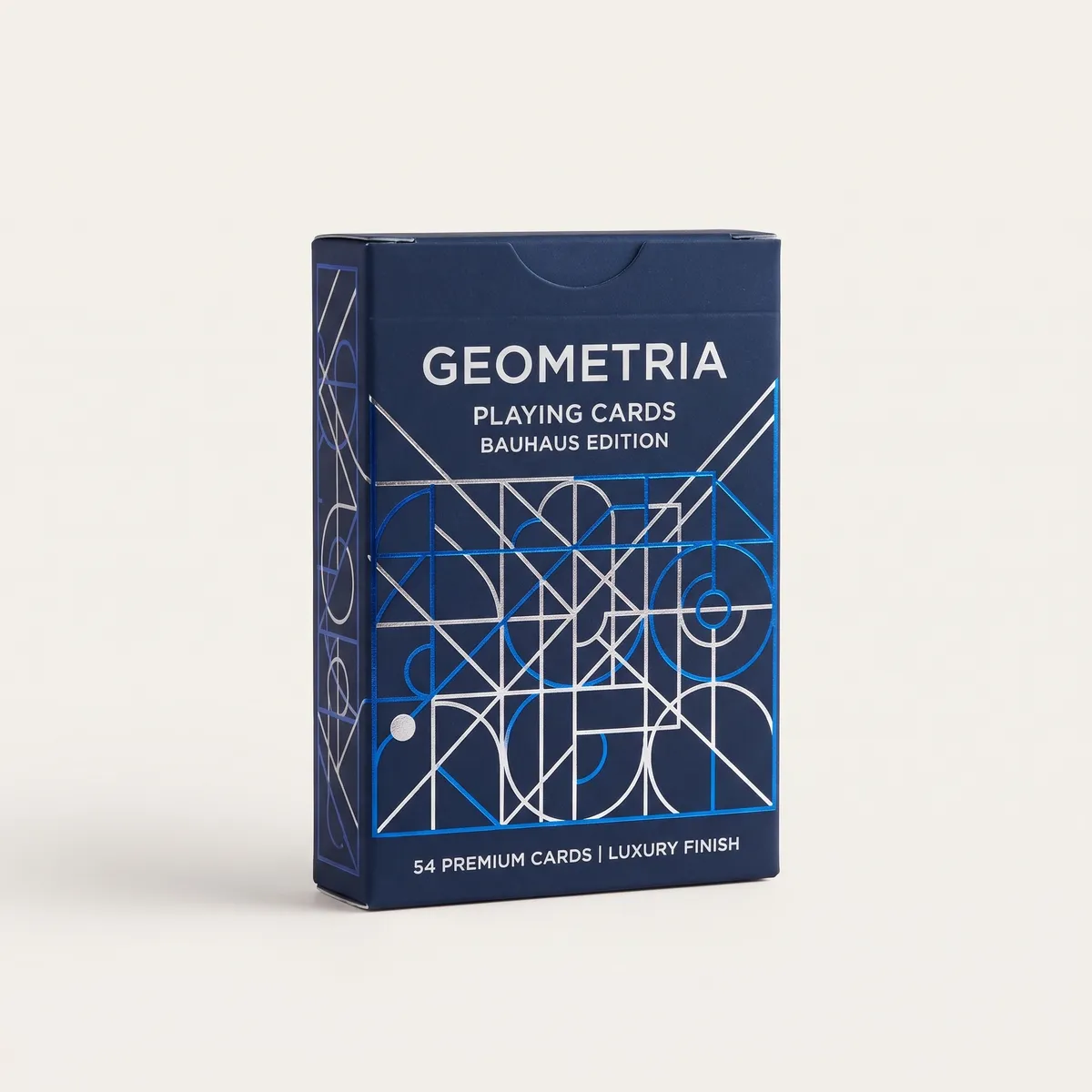
Playing card boxes are cut to your actual deck thickness, which varies with card stock and count, because a loose case lets the deck slide and bruises the edges collectors notice. Folding tuck cases suit volume and promotional decks; rigid builds suit collector and premium decks, where foil on matte stock reads distinctly. Rigid takes 20 business days; folding takes 8–12.

Ours are on Trustpilot, where we can't edit them or choose which ones you see.
Read them on Trustpilot →(opens in a new tab)Four stages, twelve days
Quote confirmed
A specialist checks your spec against the board and comes back with a firm price inside 4 business hours.
Proof approved
You get a flat dieline and a 3D render. Nothing goes to press until you approve it in writing.
On press
Print, die-cut, glue, and fold. You get a press-side photo the day your job runs.
QC and delivery
Every pallet is sampled against the digital proof or physical sample you approved, then shipped with tracking to your dock or 3PL.
If a box doesn't match the digital proof or physical sample you approved, we reprint the run at no charge.
Read the reprint terms →Know exactly what you're ordering.
Playing Card Boxes Cut to the Deck, Not the Card
Playing card boxes cover two quite different products under one name. The first is the folding tuck case found on nearly every deck in a store: light, inexpensive and easy to open with one hand. The second is a rigid case for collector, limited and premium decks, closer to a presentation box than a wrapper. Both are bought by the same kinds of customers: magicians and cardistry brands, card game publishers, casinos and bars with their own decks, and companies handing out branded decks at events. The choice between them depends less on the cards than on how the deck is sold and to whom. A deck given away needs a case; a numbered edition needs a box.
Tuck Case and Rigid Specs for Card Decks
| Attribute | Tuck case | Rigid case |
|---|---|---|
| Board | Coated SBS | 2–3mm grayboard, wrapped |
| Build | Folding, ships flat | Assembled rigid shell |
| Fit | Measured to the deck | Measured to the deck |
| Finish | Print, foil, spot UV | Printed wrap, foil |
Tuck cases are cut from slim coated board for tuck cases, thin enough to fold tight around a deck without bulging at the corners. Rigid cases use wrapped grayboard, which holds its shape whether the deck is inside or not. Fit is measured from your finished, printed deck, including any jokers or extra cards, before the dieline is drawn, because the coating and card count both change the stack.
The Tuck Case as the Default for Most Decks
Unless the deck is sold as a collectible, a tuck-flap card case is the right box. It costs a fraction of a rigid case, ships flat, fits in a pocket and opens with one hand, which is how decks are actually used. It also prints on every face, so the case can carry the whole brand. Rigid starts to make sense when the deck is numbered, limited, sold above an ordinary retail price or bought to be displayed rather than played with. Some editions put a tuck case inside a rigid box so the deck can still travel. Over-specifying a promotional deck wastes budget that would do more on the cards.
Foil, Matte Stock and Edge Detail on Card Cases
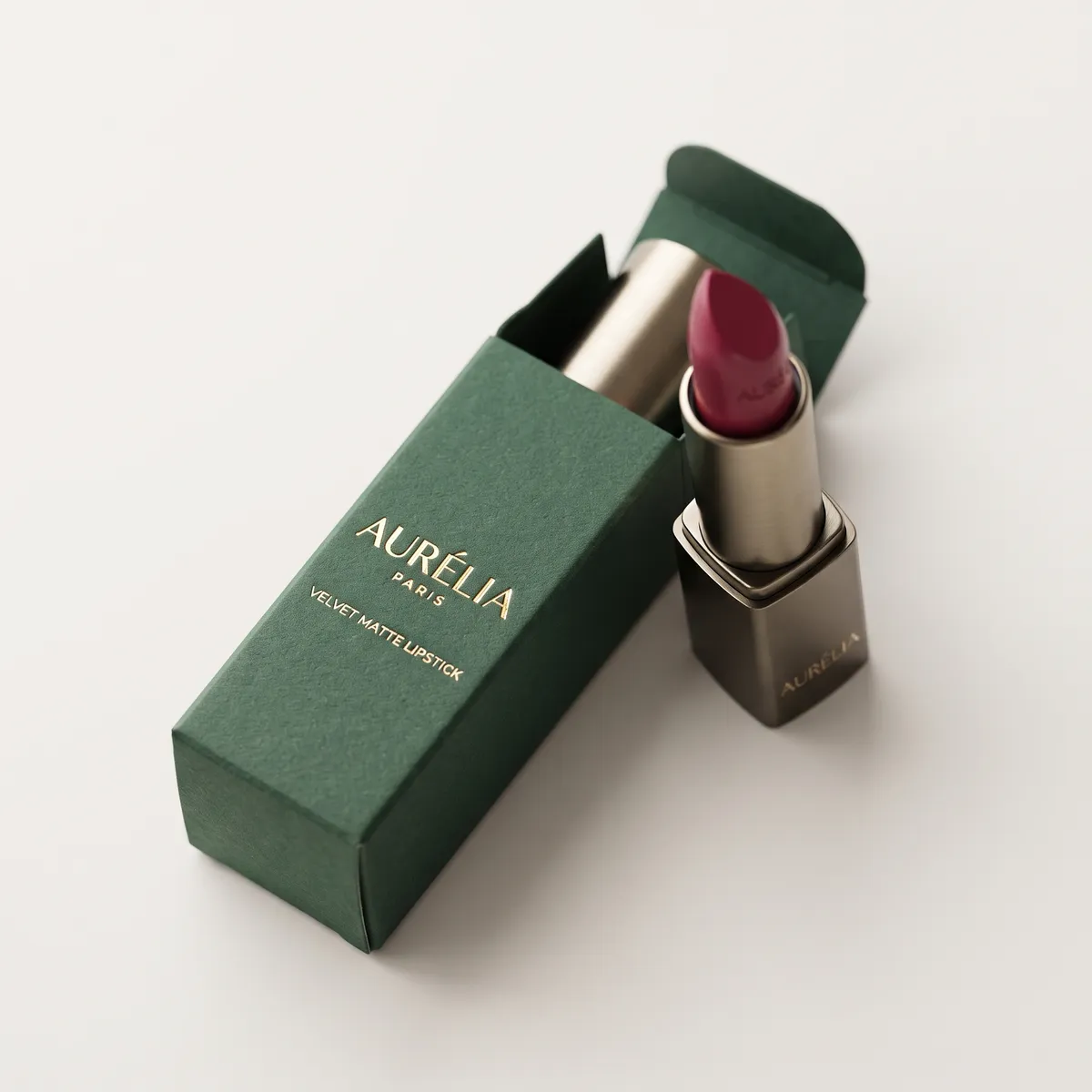
A card case is small and handled constantly, so its finish has to look good up close and survive pockets. Foil is the usual premium touch, often gold or silver against a dark matte face. Embossing works on rigid cases, where the board has the caliper to hold it; on a thin tuck case it tends to crack. Spot UV picks out a pattern or logo for little extra cost. Print the back of the case and the flap as well as the front, since a deck often sits upside down on a table. For promotional decks, full-color print with a gloss coat is plenty, and the money is better spent on the cards inside.
Playing Card Boxes for Magicians, Game Publishers and Promotional Decks
Magic and cardistry brands buy custom cases because the case is part of the performance. Card game publishers need cases that fit their own card count and size, which are rarely standard. Casinos, bars and hotels order branded decks for guests and gift shops. Artists and designers print limited decks as collectibles, usually in rigid cases with foil. Corporate buyers order logo decks for conferences, client gifts and team events, often in volume at the lower tuck-case price. That last group overlaps with branded decks handed out as gifts more broadly, where the case is the part that stays on a desk long after the event.
Ordering Card Cases in Folding or Rigid
Decide the build first, because it sets the timeline. Rigid card cases take 20 business days from proof approval, and a folding tuck case runs shorter. Send a finished deck, or its exact count and card stock, and we measure it and build the dieline, confirming internal and external dimensions in writing. There's no charge for design rounds, and the proof shows the case both flat and folded so you can check every panel. Minimum order is 100 cases, with shipping included. Rush is available on either build for an added fee, quoted upfront. If the bulk run doesn't match the proof you approved, we reprint it at our cost.
One connected process, start to finish.
Structural Design
Dieline drafted to your exact fit and freight tolerances.
Proof & Sample
Sign off on a digital proof, or request a physical sample.
Tooling
Dies and plates are cut for your job and archived on file.
Production
Print, die-cut, and assembly run under in-line quality checks.
Ship & Reorder
Freight goes out, and the cycle resets for your next run.
Steady process. Powerful results.
Like everything we build, our process is engineered to hold up — no shortcuts, no surprises. Five dependable stages that run the same way every single time, so reorders are just as fast as the first order.
- One dedicated teamFrom first sketch to final freight, the same people carry your order start to finish.
- Dies archived on fileReorders skip tooling and re-setup entirely — we already have your exact spec.
- Checked against your sign-offEvery run is inspected against the digital proof or physical sample you approved.
Set up your file once, correctly
Nine in ten delayed jobs are delayed by artwork, not production. Match these four rules and your proof lands the next morning.
- Bleed1/8 in (3 mm) past every cut line
- Safe ZoneKeep text 1/4 in clear of every crease
- ColourCMYK or named Pantone. No RGB.
- Resolution300 dpi at final size, fonts outlined
No print-ready file?
Send a logo and a rough idea. Our studio builds the production file free with any order over 500 units — you keep the source file either way.
Ask the StudioBackground art must run all the way to the outer bleed edge. Anything inside the white dashed line survives fold tolerance.



What brands say about this box
They live there rather than here, where we can't edit them, delete them, or pick which ones you get to see. That is exactly what makes them worth reading.
Read all reviews on Trustpilot(opens in a new tab)Answers before you have to ask.
How tight do playing card boxes need to be?
Tight. A loose card box lets the deck slide and the edges bruise, which collectors notice immediately. We cut to your actual deck thickness, which varies by card stock and count.
Can playing card boxes have foil?
Yes, and it's standard on premium and collector decks. Foil on a tuck case reads distinctly against matte stock, which is much of the appeal for that market.
Do card boxes need rigid stock?
For collector and premium decks, yes. For volume and promotional decks, a folding tuck case is standard and costs far less. It depends who's buying and at what price.
What's the turnaround on playing card boxes?
Folding tuck cases run about 8–12 business days from proof approval; rigid builds take 20. Rush production is available at a stated extra cost.
Can card boxes be ordered per deck?
Yes, and most publishers do. Keeping one box structure while changing the printed panel per deck keeps setup costs down as a range expands.