
Apparel Gift Boxes
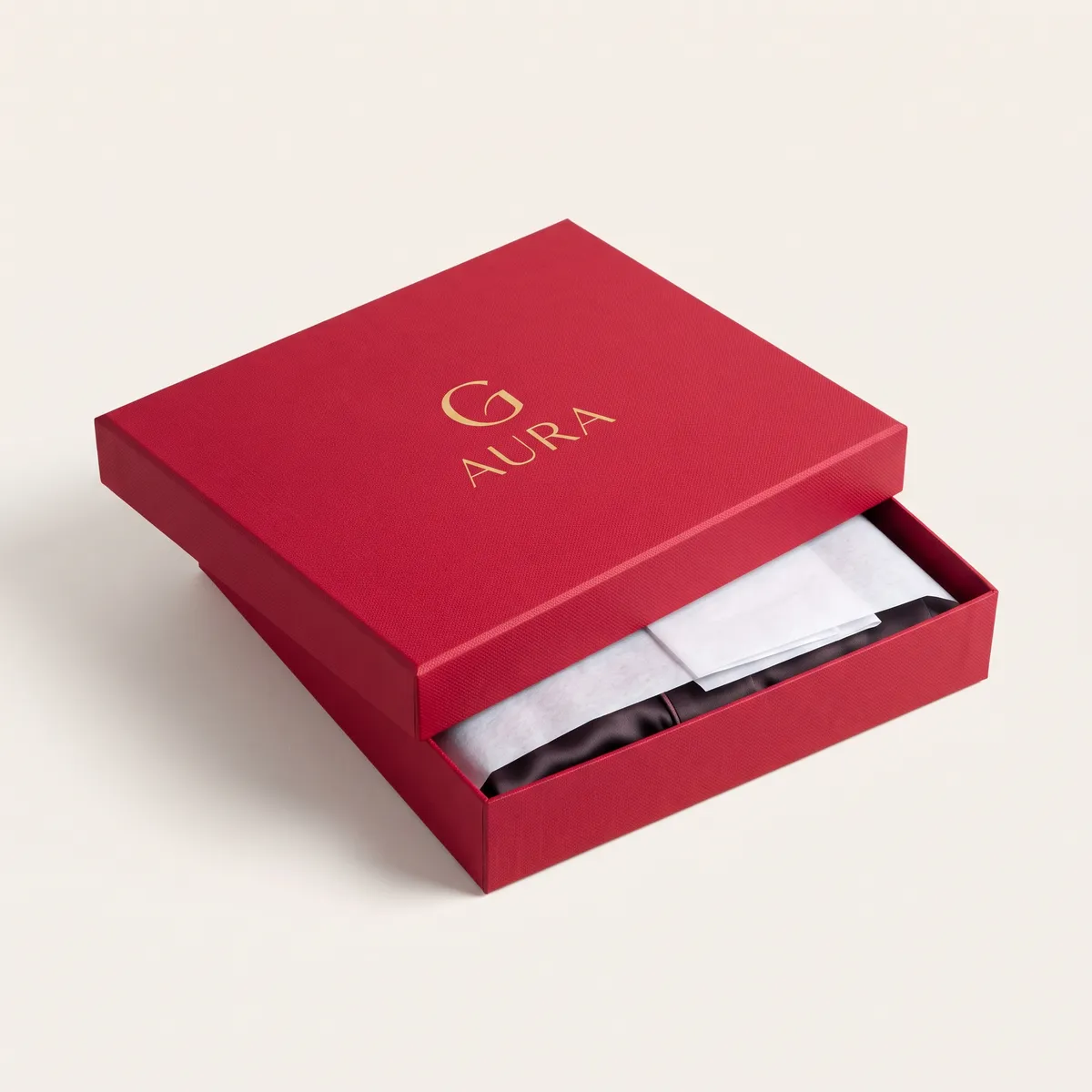
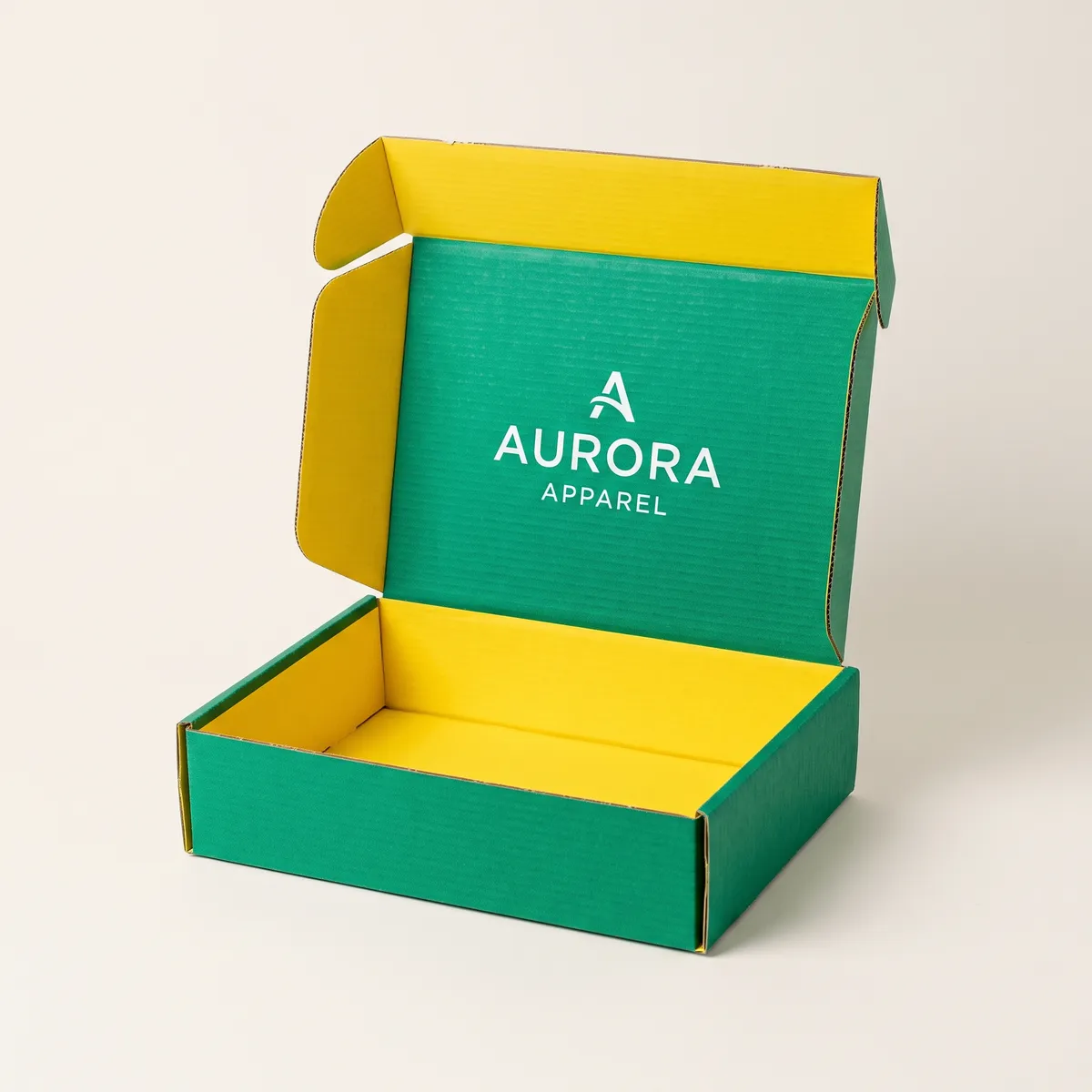
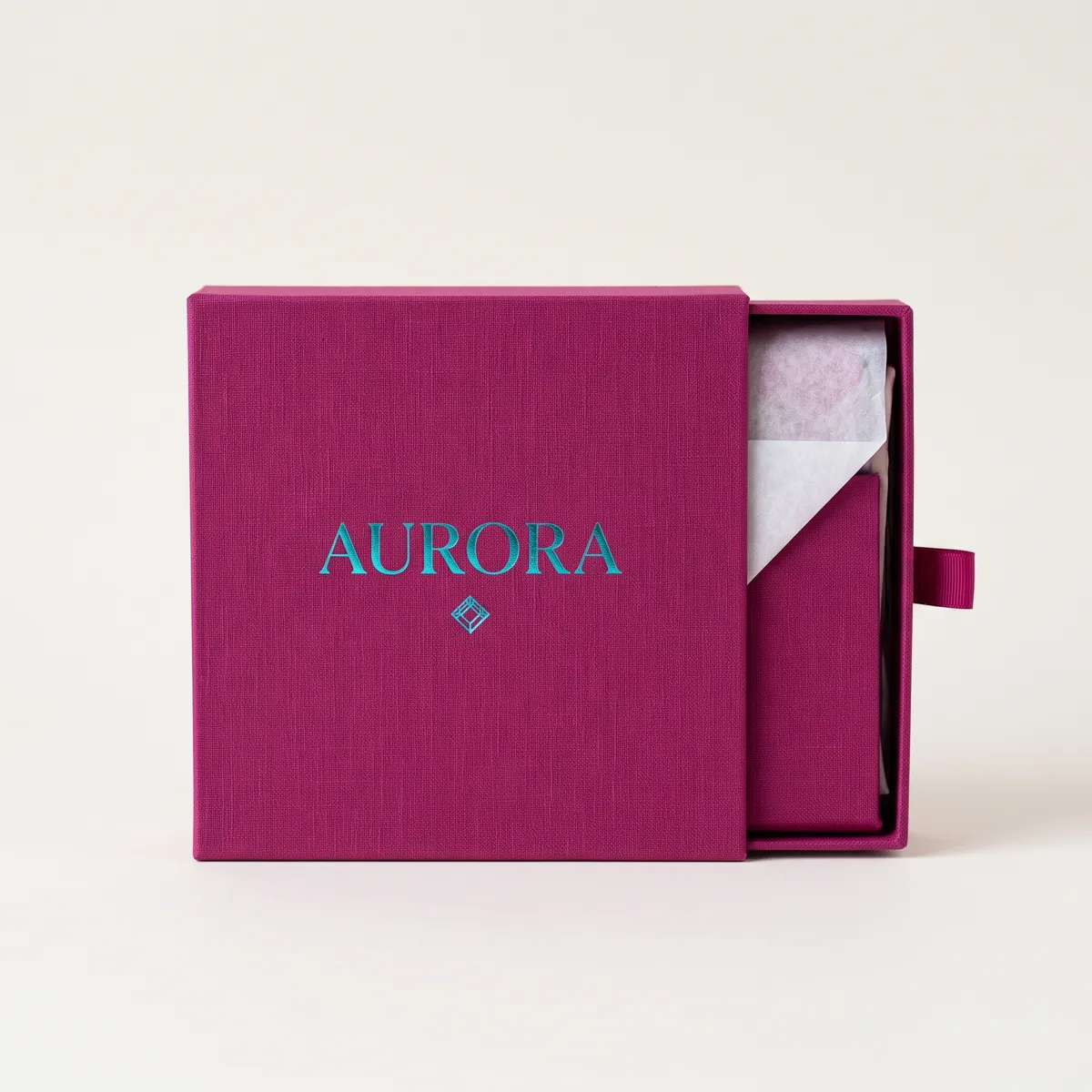
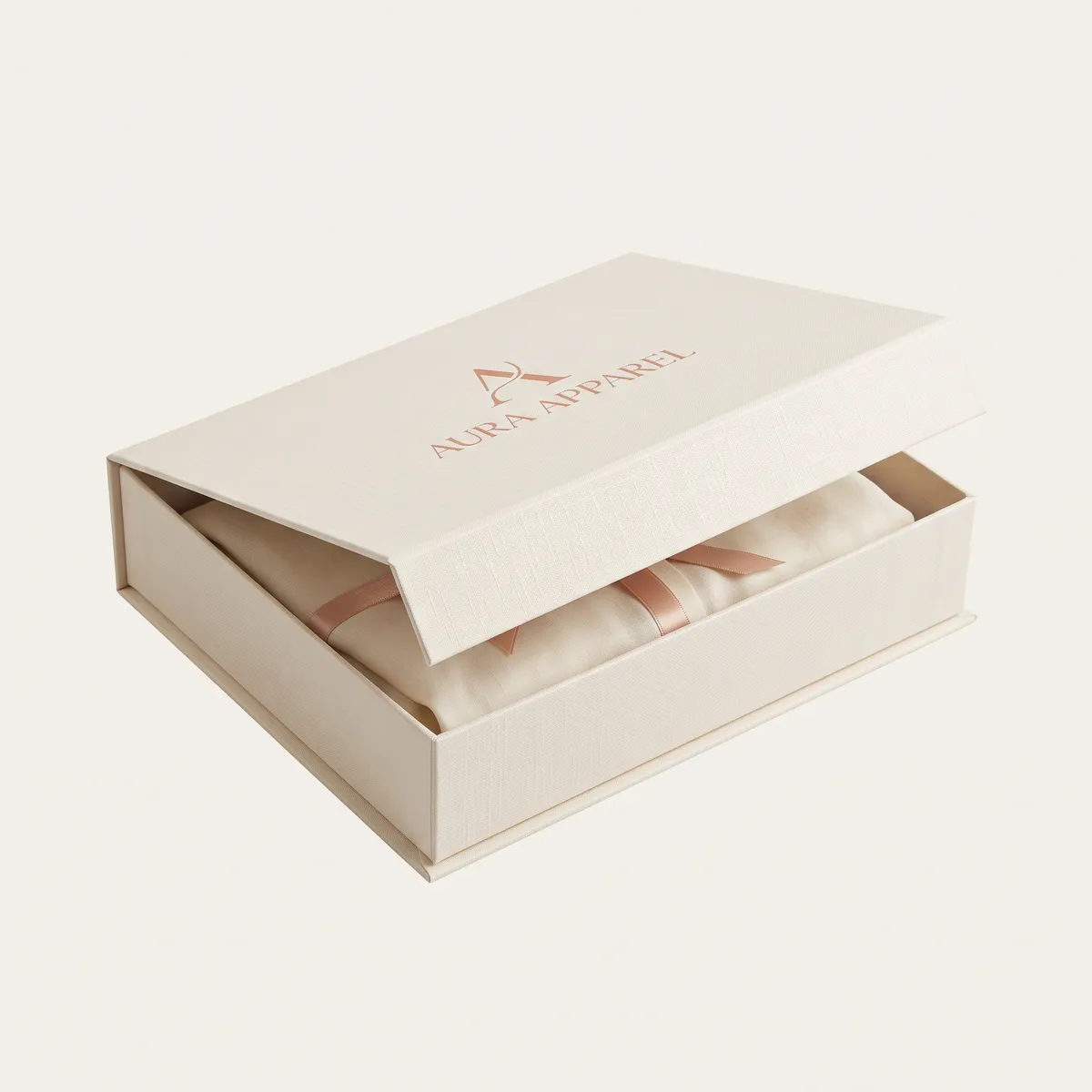
Apparel gift boxes run flat and wide, with depth set to the fold height, because a box too deep lets a garment shift and settle into new creases. The interior is where printing earns most, since unboxing photos are taken with the lid open. Folding construction suits most retail and direct-to-consumer orders; rigid construction suits premium collections and takes 20 business days.
Ours are on Trustpilot, where we can't edit them or choose which ones you see.
Read them on Trustpilot →(opens in a new tab)Four stages, twelve days
Quote confirmed
A specialist checks your spec against the board and comes back with a firm price inside 4 business hours.
Proof approved
You get a flat dieline and a 3D render. Nothing goes to press until you approve it in writing.
On press
Print, die-cut, glue, and fold. You get a press-side photo the day your job runs.
QC and delivery
Every pallet is sampled against the digital proof or physical sample you approved, then shipped with tracking to your dock or 3PL.
If a box doesn't match the digital proof or physical sample you approved, we reprint the run at no charge.
Read the reprint terms →Know exactly what you're ordering.
Apparel Gift Boxes for Clothes With No Shape of Their Own
A candle or a bottle holds its own shape inside a box. A sweater doesn't. Fabric takes whatever form the packaging gives it, so an apparel gift box works less as a container than as a frame for a folded garment, and the customer judges the piece partly by how neatly it arrives. Boutiques, direct-to-consumer labels and gifting services buy these so the first sight of the garment matches how it looked on the store table, not like something pulled out of a bag. That puts the work into proportion. The box's footprint comes from the folded piece, and the board only has to be stiff enough that the lid doesn't sag onto the fold or bow when boxes are stacked.
Apparel Gift Box Specs: Footprint, Fold Depth and Board
Sizing starts from the folded garment. Send its folded length, width and height, and we confirm internal dimensions in writing. Folding versions use coated board that folds flat for shipping to you; rigid versions use wrapped grayboard.
| Spec | Folding build | Rigid build |
|---|---|---|
| Board | Coated board, 18–24pt | 2–3mm grayboard, wrapped |
| Footprint | Flat and wide, from the folded garment | Flat and wide, from the folded garment |
| Depth | Matched to fold height | Matched to fold height |
| Interior | Printable, with room for tissue | Printable, with room for tissue |
| Tolerance | ±0.5–1mm | ±0.5–1mm |
One box size can often cover several garments that fold to the same footprint.
Why Garments Go In From the Top, Not the End
Loading is the reason a top-opening lid and tray is the common build for apparel gift boxes. A folded shirt pushed into an end-opening carton drags against the walls and comes out creased along its leading edge. Placed from above into an open tray, it goes in flat and stays where it was set, with tissue folded over before the lid goes on. The open works better too. Lifting a lid shows the whole garment at once, the way it would be laid out in a shop, instead of revealing it an inch at a time. Tuck cartons cost less and are fine for inexpensive basics sold in multiples. For anything bought as a gift, the two-part build is worth its extra cost.
Interior Print, Tissue and the Outside of an Apparel Gift Box
Four things can be added to this box: interior print on the tray floor and the underside of the lid, custom tissue, a foil logo on the lid, and embossing on rigid wraps. The lid exterior needs less than most brands expect. A logo and one brand color do the job, and a dark flood color edge to edge shows every scuff from handling between the warehouse and the customer. The tray floor suits a pattern, a short message or care details. On folding builds, a matte finish suits most clothing brands and keeps fingerprints off. If the budget only stretches to one upgrade, spend it inside the box rather than on the lid, since the inside is what the customer studies.
Apparel Gift Boxes for Knitwear, Shirts and Seasonal Gift Edits
Knitwear is the clearest case: a sweater or cardigan creased in the wrong place looks worn before it is worn, and a shallow, wide box prevents that. Dress shirts, blouses and folded T-shirt sets follow the same logic. Scarves, loungewear sets and baby clothing gift sets are common too, often with a printed interior and tissue, since many are bought as presents. Retailers use one box size for a seasonal gift edit and change only the printed lid. Subscription services shipping a garment each month use the folding version inside an outer shipper. These are the same buyers served across knitwear and clothing brands generally, and this page covers the part of their range that is meant to be given rather than simply delivered.
Choosing Folding or Rigid at the Quote Stage for Apparel
Ask for both builds on one quote, so the price gap and the schedule gap show up together. Folding apparel gift boxes take 8–12 business days from proof approval, and rigid ones take 20. Dies, plates and setup are inside the quoted price, and shipping is included, so nothing is added after approval. The minimum is 100 boxes per build. Design help is free and unlimited, which matters here because interior and lid artwork are usually proofed separately. Every order passes a three-stage check, and if the bulk run doesn't match the proof you signed, we reprint it at our cost. Rush production is possible on either build at extra cost, quoted upfront. Orders above 10,000 boxes include free samples before the full run.
One connected process, start to finish.
Structural Design
Dieline drafted to your exact fit and freight tolerances.
Proof & Sample
Sign off on a digital proof, or request a physical sample.
Tooling
Dies and plates are cut for your job and archived on file.
Production
Print, die-cut, and assembly run under in-line quality checks.
Ship & Reorder
Freight goes out, and the cycle resets for your next run.
Steady process. Powerful results.
Like everything we build, our process is engineered to hold up — no shortcuts, no surprises. Five dependable stages that run the same way every single time, so reorders are just as fast as the first order.
- One dedicated teamFrom first sketch to final freight, the same people carry your order start to finish.
- Dies archived on fileReorders skip tooling and re-setup entirely — we already have your exact spec.
- Checked against your sign-offEvery run is inspected against the digital proof or physical sample you approved.
Set up your file once, correctly
Nine in ten delayed jobs are delayed by artwork, not production. Match these four rules and your proof lands the next morning.
- Bleed1/8 in (3 mm) past every cut line
- Safe ZoneKeep text 1/4 in clear of every crease
- ColourCMYK or named Pantone. No RGB.
- Resolution300 dpi at final size, fonts outlined
No print-ready file?
Send a logo and a rough idea. Our studio builds the production file free with any order over 500 units — you keep the source file either way.
Ask the StudioBackground art must run all the way to the outer bleed edge. Anything inside the white dashed line survives fold tolerance.
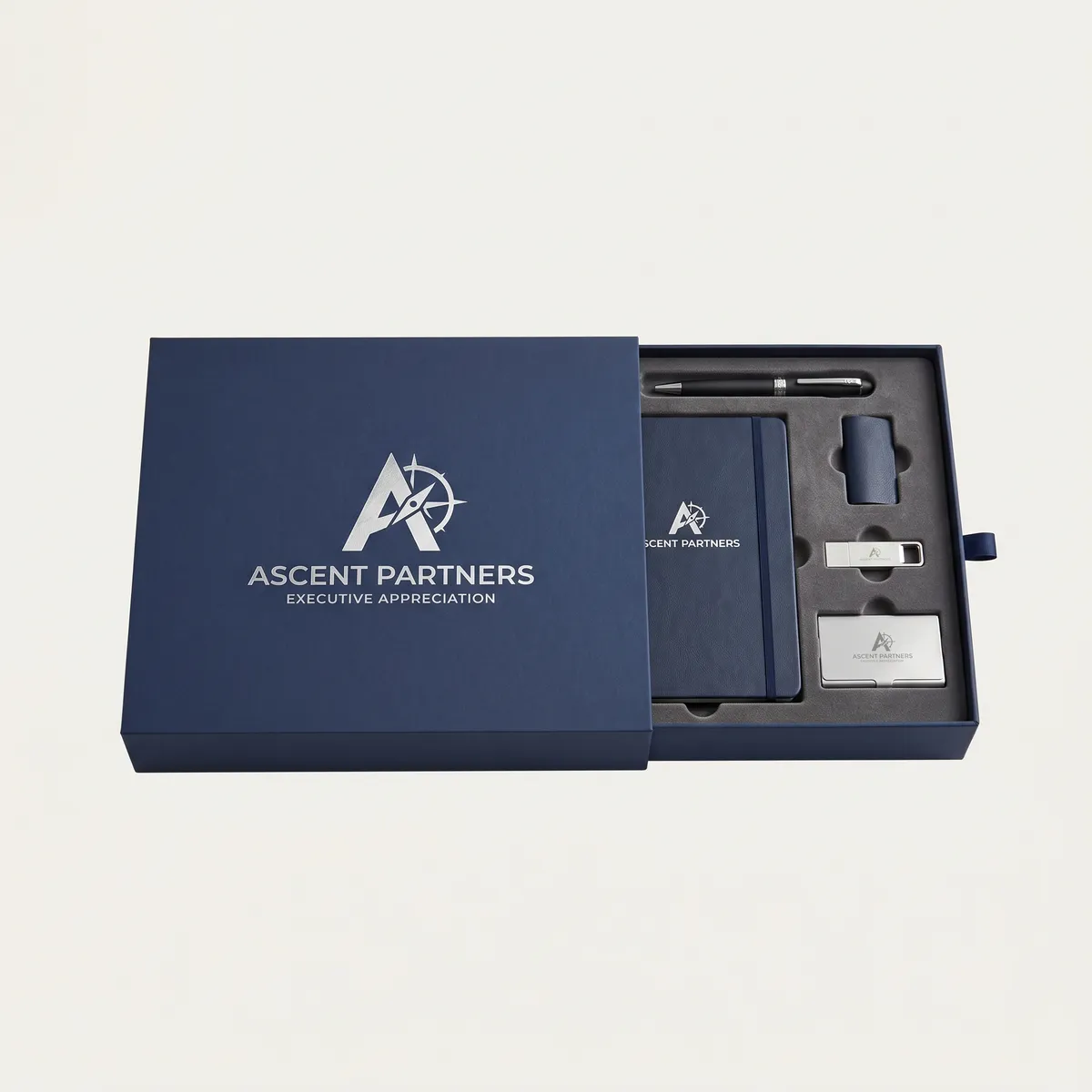

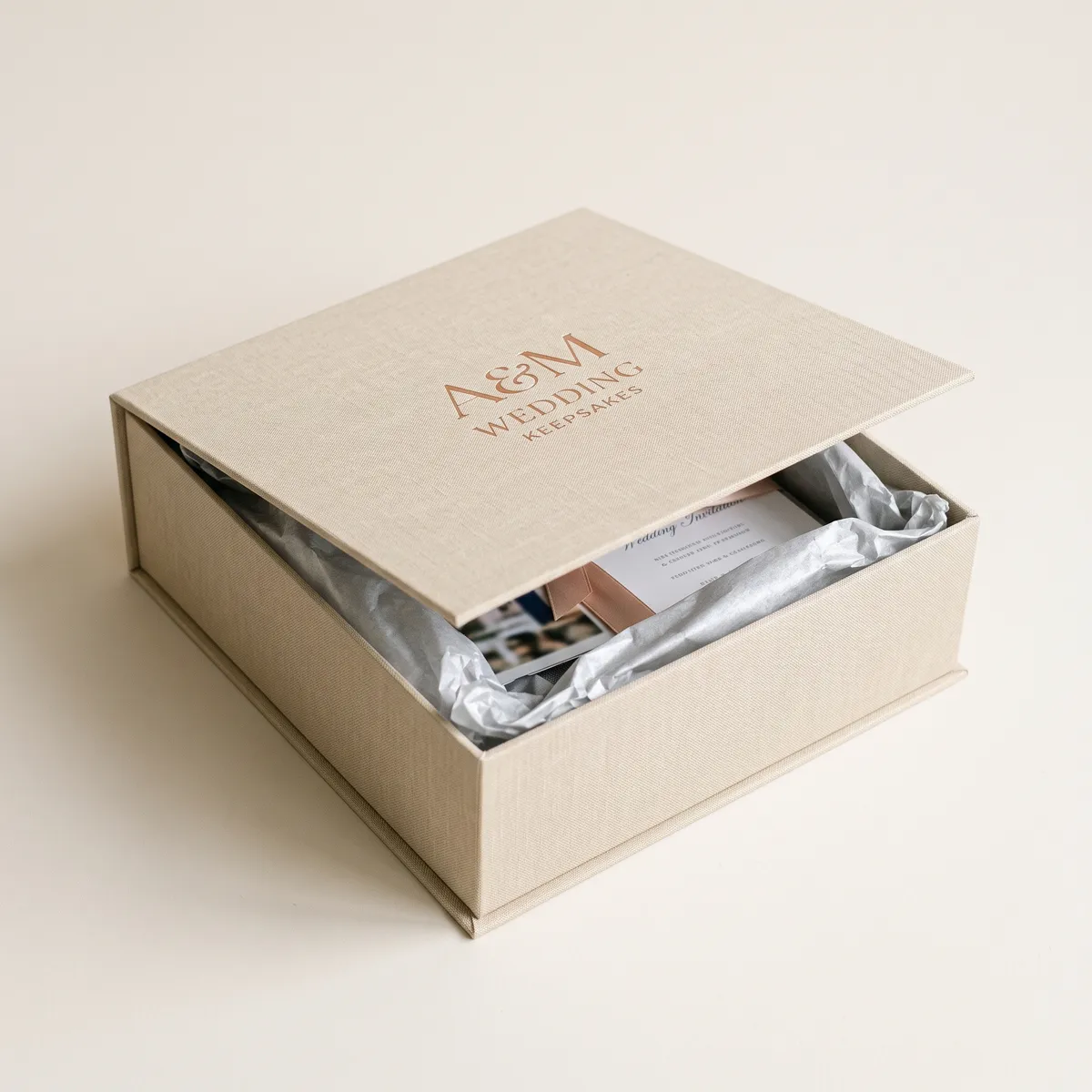
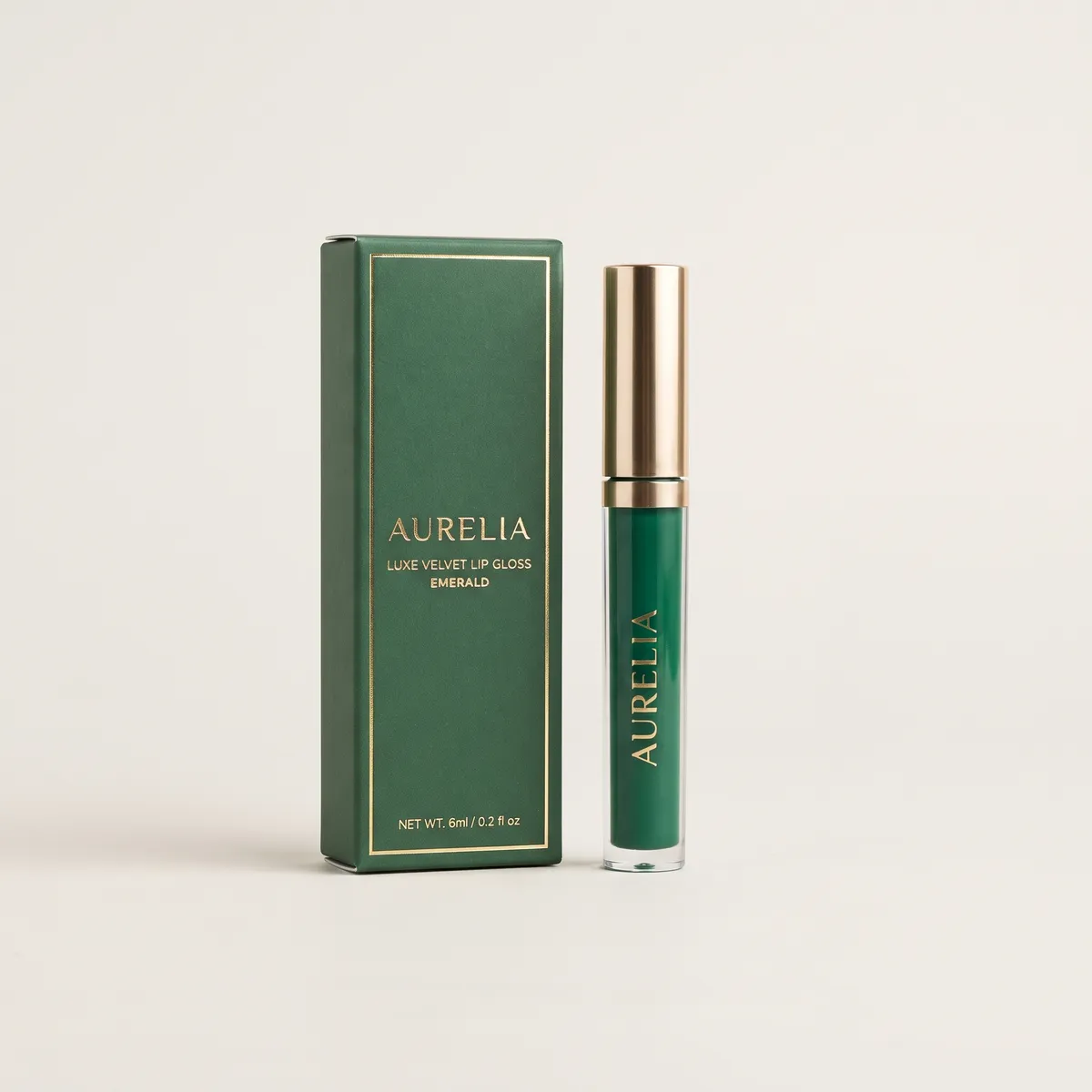
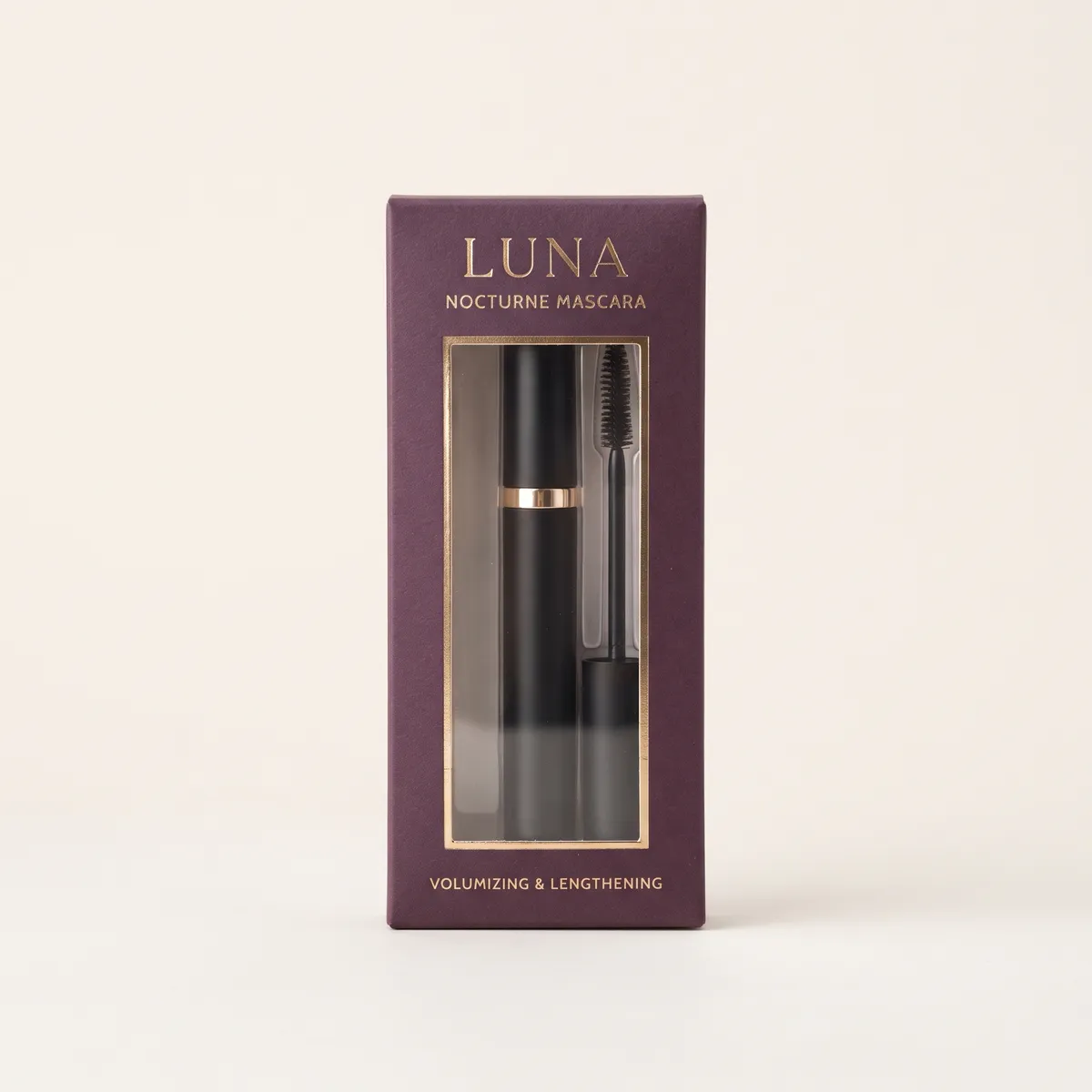
What brands say about this box
They live there rather than here, where we can't edit them, delete them, or pick which ones you get to see. That is exactly what makes them worth reading.
Read all reviews on Trustpilot(opens in a new tab)Answers before you have to ask.
How do apparel gift boxes stop garments creasing?
By running flat and wide rather than deep, so a folded garment lies without being compressed. The depth is kept to the fold height. A box too deep lets the garment shift and settle into new creases in transit.
Can apparel boxes be printed inside?
Yes, and it's where most of the return sits. The unboxing photo is taken with the lid open, so a printed interior or custom tissue earns more attention than decorating an exterior that gets handled.
Should apparel gift boxes be rigid or folding?
Folding works well for most retail and DTC apparel and costs considerably less. Rigid earns its place on premium lines and anything meant to be kept. Rigid takes 20 business days rather than 8–12.
What's the turnaround on apparel gift boxes?
Folding builds run about 8–12 business days from proof approval; rigid takes 20, since the board is cut, wrapped and assembled. Rush is available on both at a stated premium.
What's the minimum on apparel gift boxes?
100 boxes across rigid and folding builds. That's low enough to trial packaging for one line before rolling it across a range. Free samples come with orders above 10,000 units.