
Chocolate Envelopes
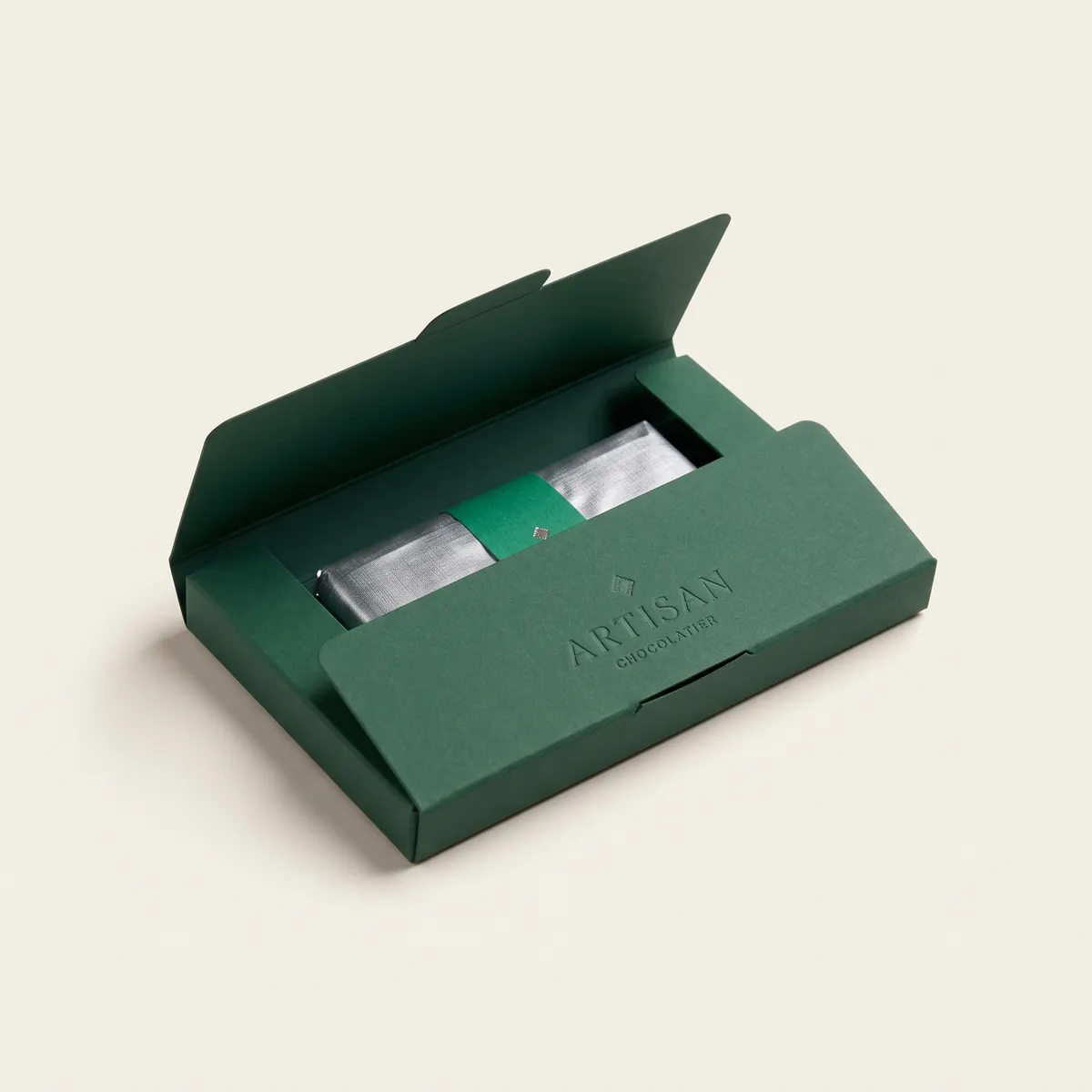
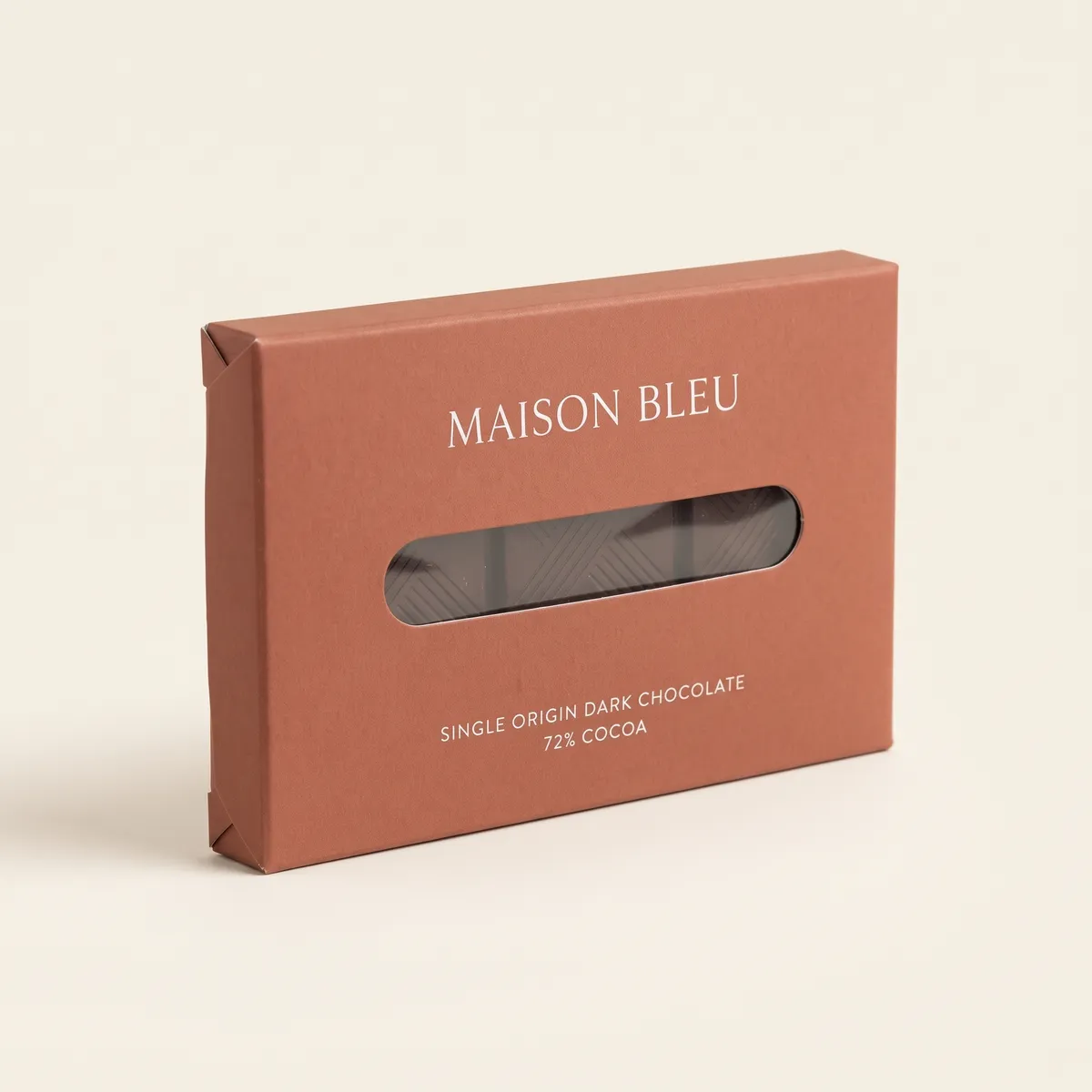
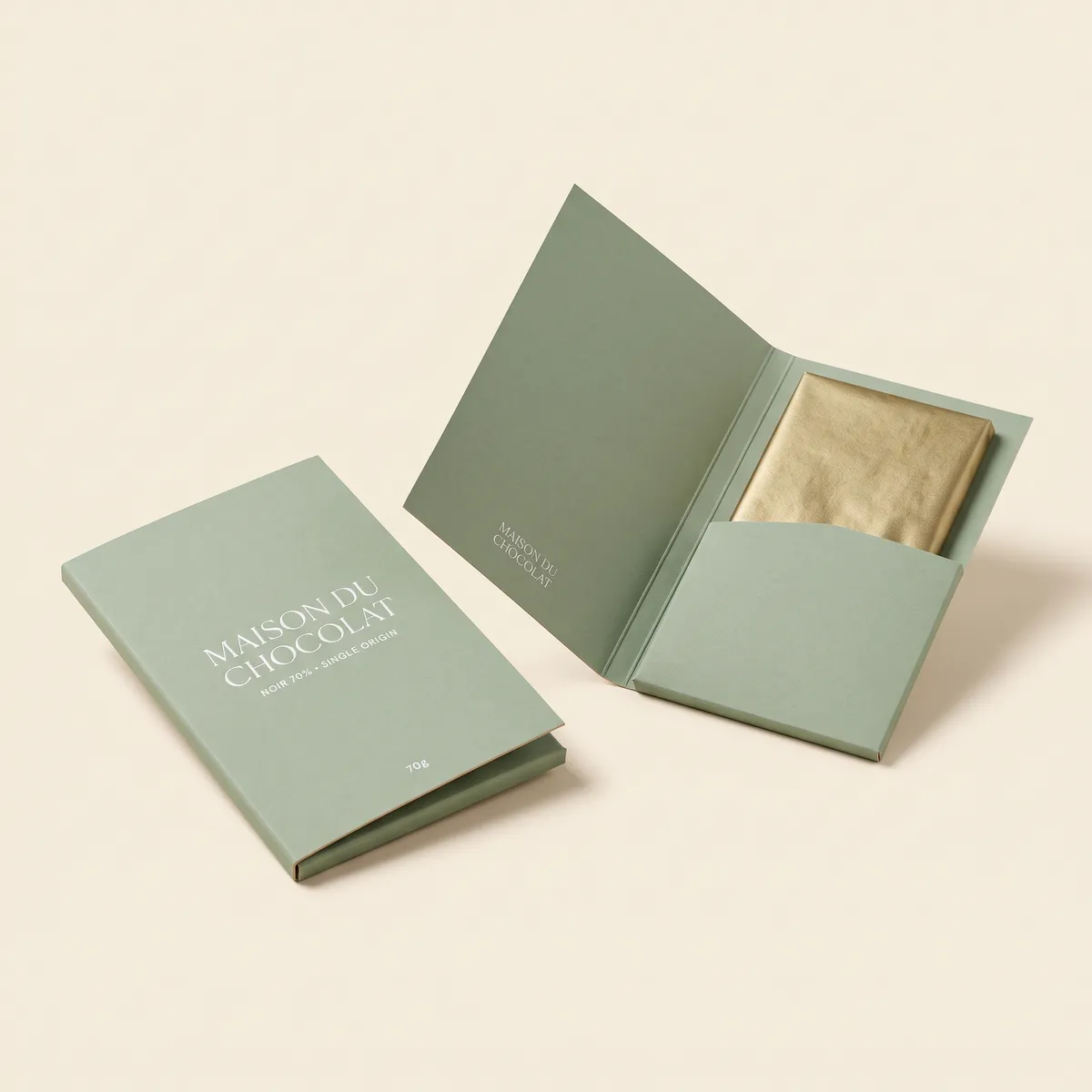
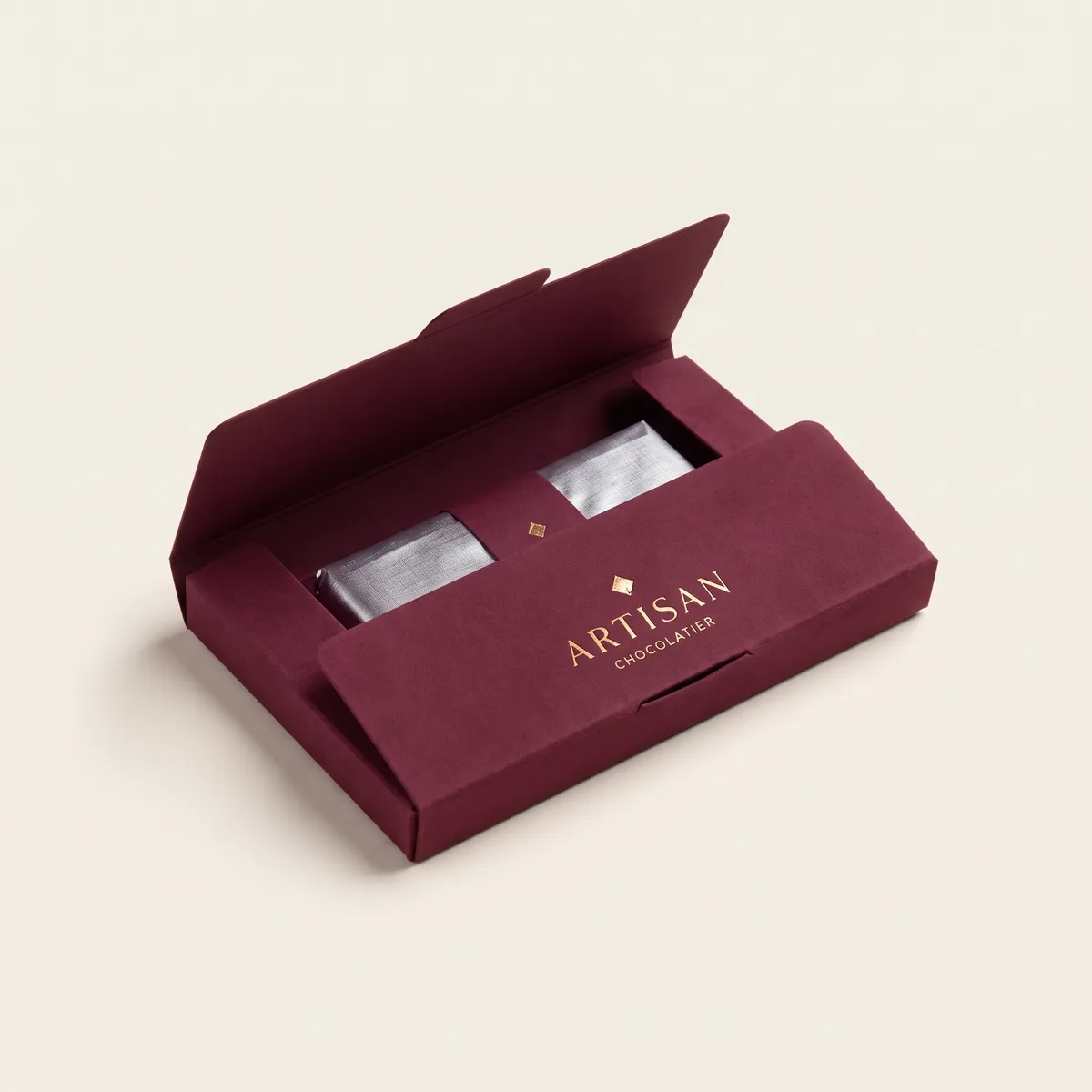
Chocolate envelopes lie flat enough for letter post, which is why brands use them for samples and direct mail, and qualifying as letter mail is often the biggest saving. The board needs enough stiffness to survive a sorting machine without bending. The inside face is visible as the envelope opens, so it's worth printing. The minimum is 100 units, suiting sampling campaigns.
Ours are on Trustpilot, where we can't edit them or choose which ones you see.
Read them on Trustpilot →(opens in a new tab)Four stages, twelve days
Quote confirmed
A specialist checks your spec against the board and comes back with a firm price inside 4 business hours.
Proof approved
You get a flat dieline and a 3D render. Nothing goes to press until you approve it in writing.
On press
Print, die-cut, glue, and fold. You get a press-side photo the day your job runs.
QC and delivery
Every pallet is sampled against the digital proof or physical sample you approved, then shipped with tracking to your dock or 3PL.
If a box doesn't match the digital proof or physical sample you approved, we reprint the run at no charge.
Read the reprint terms →Know exactly what you're ordering.
Chocolate Envelopes That Go Out With the Mail
A chocolate envelope is the mail piece itself. There's no outer box and no padded bag: the printed envelope, with a thin bar or a few squares inside, gets an address and goes out. That makes it the format for brands that want chocolate to land on a desk or doormat rather than sit on a shelf. Buyers are marketing teams sending samples to prospects, confectioners mailing a thank-you to repeat customers, agencies running direct-mail campaigns, and event organizers handing out a small gift at the door. The chocolate inside is usually modest; the point is that something edible and branded arrives unexpectedly. Thick truffles and filled pieces belong in a box instead.
Envelope Board, Flap and Flat Profile
The envelope is cut from card stiff enough for a sorting machine, since a flimsy envelope bends in the rollers and the chocolate snaps with it.
| Attribute | Chocolate envelope |
|---|---|
| Board | Coated SBS, stiff enough not to bend in sorting |
| Profile | Flat, for letter post where it qualifies |
| Closure | Folded flap |
| Contents | Thin bars or squares, foil-wrapped |
| Inks | Food-safe |
| Size | Cut to your bar's dimensions |
Postal size and thickness limits vary by country and by carrier, so check the rules for the service you'll use before fixing the envelope size. A few millimeters over a letter limit can move a whole mailing into a higher rate.
Why a Closed Envelope Beats an Open-Ended Sleeve in the Post
An envelope and a sleeve look alike on paper: both are thin printed wraps around a flat bar. The difference is what happens at the ends. Sleeves that leave the ends open work on a shop shelf, where nobody shakes them. In the mail, an open end lets the bar slide out in a sorting machine or snag on another letter. The envelope closes on every side with a flap, so the chocolate stays inside without an outer bag. It also stays flat. A tuck box would protect the bar too, but it adds depth that can push the piece out of the letter category. For chocolate traveling by post, the closed, flat wrap is the sensible build.
Print, Flap Seal and Message Space on an Envelope
Each face of a chocolate envelope has a different job. Front: the brand, plus a clear space for the address, kept free of heavy artwork so it reads easily. Flap: the first thing touched when the envelope is opened, so a logo or a short line there works well. Inside face: room for a message, an offer code or a note about the chocolate. Full color on coated board is the usual choice. Keep foil and dark solid colors away from the address area, since sorting equipment reads best against a plain, light background. Food-safe inks are used throughout, because the inside face sits against the chocolate. A short run of test envelopes through your own mail room is worth doing before a large drop.
Chocolate Envelopes for Sampling, Thank-You Mailers and Event Seats
Business-to-business companies send them to prospects as a reason to follow up. Chocolate makers mail a new flavor to stockists and buyers before a trade show. Online shops slip one into orders, or post one to customers on a birthday. Event organizers place one on each seat at a conference or gala, printed with the agenda or a welcome note. Wedding planners use them as flat place cards that double as a favor. Bakers and cookie brands mailing sample packs use the same format to send a taster of a new product to their list, since it travels flat, weighs little and needs no outer packaging to arrive in one piece.
Running a Direct-Mail Envelope Order
Plan around the mail date and work backward. Most envelope orders are ready about 8–12 business days after proof approval, and rush is available at an extra cost quoted upfront if the campaign date is tight. Design help is unlimited and free, which is useful when the inside message and the outside address area both need laying out and checking. Shipping the finished envelopes to you is included in the price. Every envelope passes a three-stage check before it leaves, and if the bulk run doesn't match the proof you approved, we reprint at our cost. Postage for the mailing itself is separate and depends on the service you choose.
One connected process, start to finish.
Structural Design
Dieline drafted to your exact fit and freight tolerances.
Proof & Sample
Sign off on a digital proof, or request a physical sample.
Tooling
Dies and plates are cut for your job and archived on file.
Production
Print, die-cut, and assembly run under in-line quality checks.
Ship & Reorder
Freight goes out, and the cycle resets for your next run.
Steady process. Powerful results.
Like everything we build, our process is engineered to hold up — no shortcuts, no surprises. Five dependable stages that run the same way every single time, so reorders are just as fast as the first order.
- One dedicated teamFrom first sketch to final freight, the same people carry your order start to finish.
- Dies archived on fileReorders skip tooling and re-setup entirely — we already have your exact spec.
- Checked against your sign-offEvery run is inspected against the digital proof or physical sample you approved.
Set up your file once, correctly
Nine in ten delayed jobs are delayed by artwork, not production. Match these four rules and your proof lands the next morning.
- Bleed1/8 in (3 mm) past every cut line
- Safe ZoneKeep text 1/4 in clear of every crease
- ColourCMYK or named Pantone. No RGB.
- Resolution300 dpi at final size, fonts outlined
No print-ready file?
Send a logo and a rough idea. Our studio builds the production file free with any order over 500 units — you keep the source file either way.
Ask the StudioBackground art must run all the way to the outer bleed edge. Anything inside the white dashed line survives fold tolerance.
What brands say about this box
They live there rather than here, where we can't edit them, delete them, or pick which ones you get to see. That is exactly what makes them worth reading.
Read all reviews on Trustpilot(opens in a new tab)Answers before you have to ask.
Will a chocolate envelope survive the post?
Yes, if specified for it. The format is built to lie flat enough for letter post, which is why brands use it for samples and direct mail. The board needs enough stiffness to resist bending in a sorting machine.
Can chocolate envelopes be printed both sides?
Yes, and the inside face is worth using since it's visible as the envelope opens. A message or ingredient panel there costs little and adds to the experience for a direct-mail product.
Are envelopes cheaper than boxes?
Yes, meaningfully. Less board, simpler die and lower postage because they qualify as letter mail in many cases. That last point is often the biggest saving for direct-mail confectionery.
How soon can chocolate envelopes ship?
About 8–12 business days from proof approval, often at the faster end given the simple die. Rush production is available at a stated premium, shipping included.
What's the minimum on chocolate envelopes?
100 units. Envelopes are among the cheapest formats we make, which makes them a practical choice for sampling campaigns and direct mail at modest volumes.