
Wax Melt Boxes
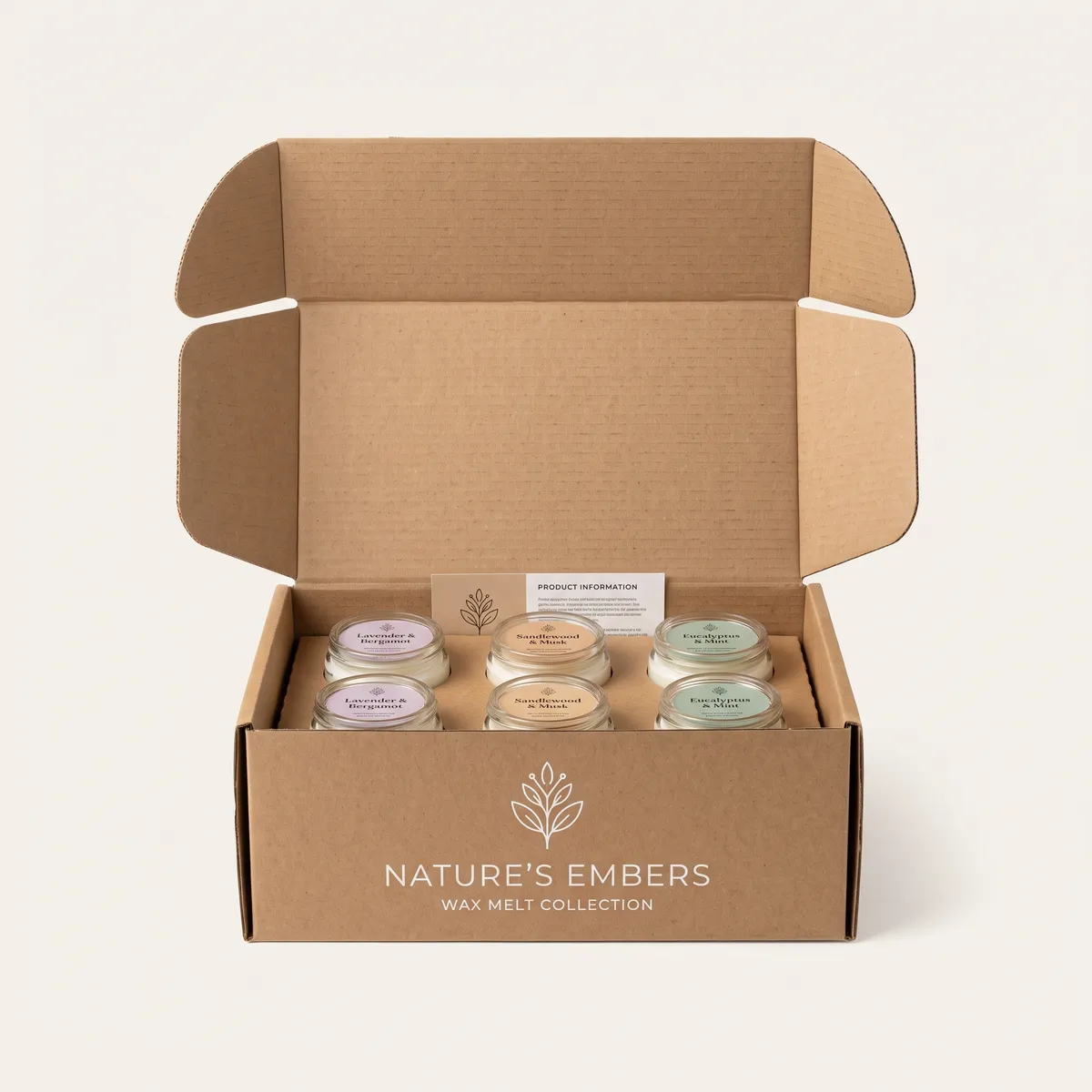
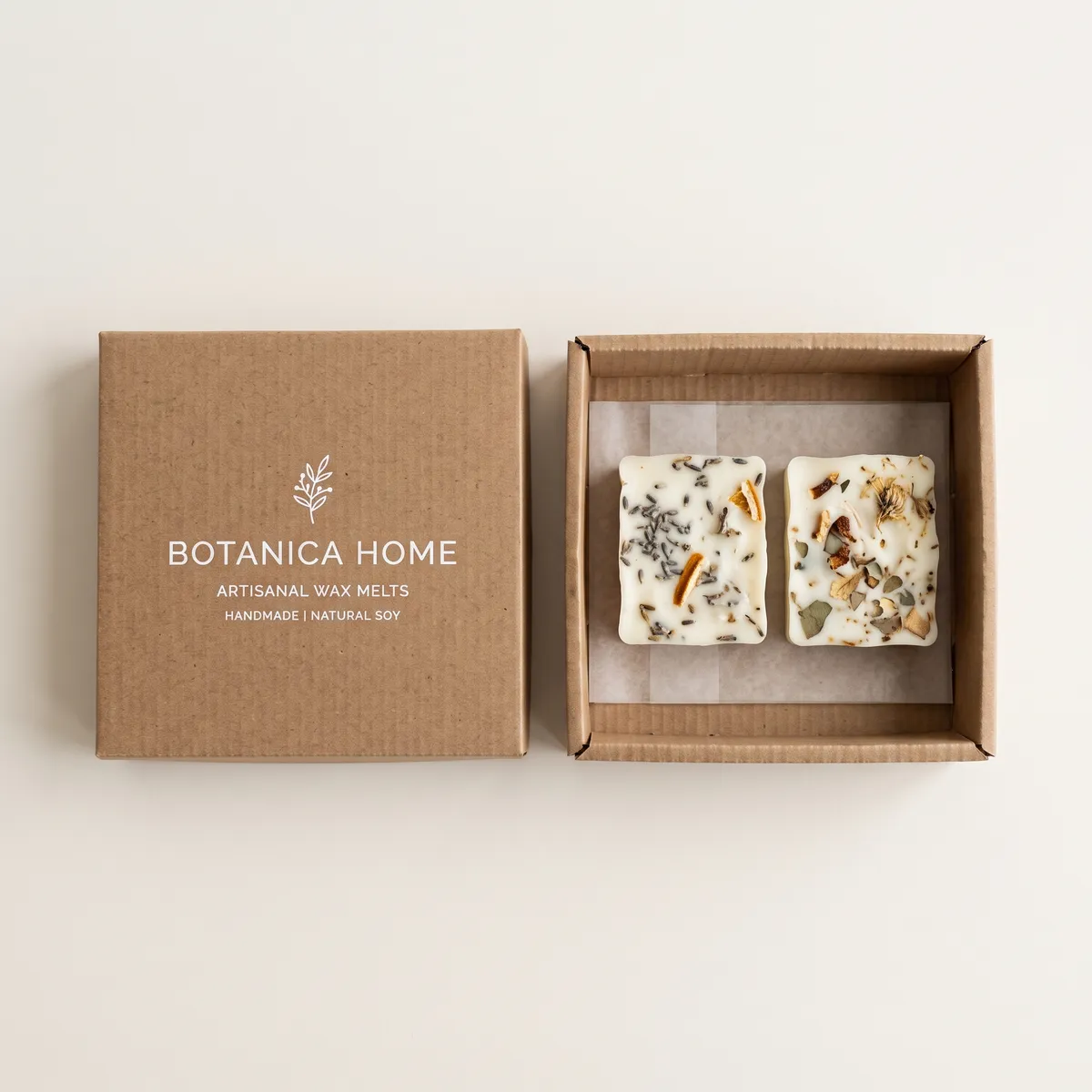
Wax melt boxes come as clamshells, trays with a cavity per cube, or simple tuck cartons for individually wrapped melts, and the right format depends on whether wax touches the board. Unwrapped melts transfer oil that marks uncoated stock, so a protective coating matters there. Food-grade board with food-safe inks is available, since the format resembles confectionery packaging.

Ours are on Trustpilot, where we can't edit them or choose which ones you see.
Read them on Trustpilot →(opens in a new tab)Four stages, twelve days
Quote confirmed
A specialist checks your spec against the board and comes back with a firm price inside 4 business hours.
Proof approved
You get a flat dieline and a 3D render. Nothing goes to press until you approve it in writing.
On press
Print, die-cut, glue, and fold. You get a press-side photo the day your job runs.
QC and delivery
Every pallet is sampled against the digital proof or physical sample you approved, then shipped with tracking to your dock or 3PL.
If a box doesn't match the digital proof or physical sample you approved, we reprint the run at no charge.
Read the reprint terms →Know exactly what you're ordering.
Wax Melt Boxes for Ranges Sold Scent by Scent
Wax melts are the low-priced end of a home-fragrance range: a few cubes or a snap bar sold for much less than a candle, often bought to try a scent before committing to a jar. That shapes the packaging. Customers buy several at once, so the range has to be easy to read at a glance, scent by scent. Unit cost has to stay low enough that the box doesn't eat the margin on a small sale. And because wax melts have no jar, the box is the only thing holding the product together on the shelf. The buyers are candle brands adding melts to their range, specialist makers who sell only melts, and gift shops selling sampler packs.
Wax Melt Box Formats, Coatings and Food-Grade Board
The format depends on whether the wax touches the board. For unwrapped wax, trays are commonly cut from coated kraft tray stock, so oil doesn't stain the surface.
| Attribute | Specification |
|---|---|
| Formats | Clamshell, cavity tray, tuck carton |
| Coating | Recommended for unwrapped wax |
| Food-grade option | Food-grade board, food-safe inks |
| Cavities | Cut to your mold shape |
| Box tolerance | ±1mm |
| Stock | Kraft or coated board |
Send us the mold, or a single piece's dimensions, along with the number of pieces per pack, and we'll lay out the cavities to match. Measurements are confirmed in writing before cutting.
Why a Cavity Tray Keeps Melt Cubes Apart
Wax melts are soft enough to mark each other and brittle enough to chip at the edges, so a pack of loose cubes rarely arrives looking as it did when poured. A cube-cavity tray gives each piece its own pocket, which keeps edges sharp and stops colors from rubbing onto each other in mixed packs. It also lets the customer see the count and the shapes at once, which matters for sampler packs sold on variety. A clamshell is the better choice for a single snap bar, and a tuck carton is enough when every piece is already individually wrapped. For loose shaped pieces in mixed scents, though, the tray is the format that holds up best.
Protecting Print From Wax Oil
Wax carries fragrance oil, and over weeks on a shelf some of it moves into whatever it touches. On untreated board that shows as dark, greasy patches spreading out from the product, which spoils the printed panels. A barrier coating on the inner surface keeps oil from soaking in, and an outer varnish or lamination protects the print from customers who pick up packs to smell them. Full-color print on coated board suits brands that code scents by color, while kraft takes one or two colors for a natural look. Keep the scent name large and in the same position across the range, since customers often buy several at once and scan by name.
Wax Melt Boxes for Clamshell Ranges, Shaped Melts and Sampler Packs
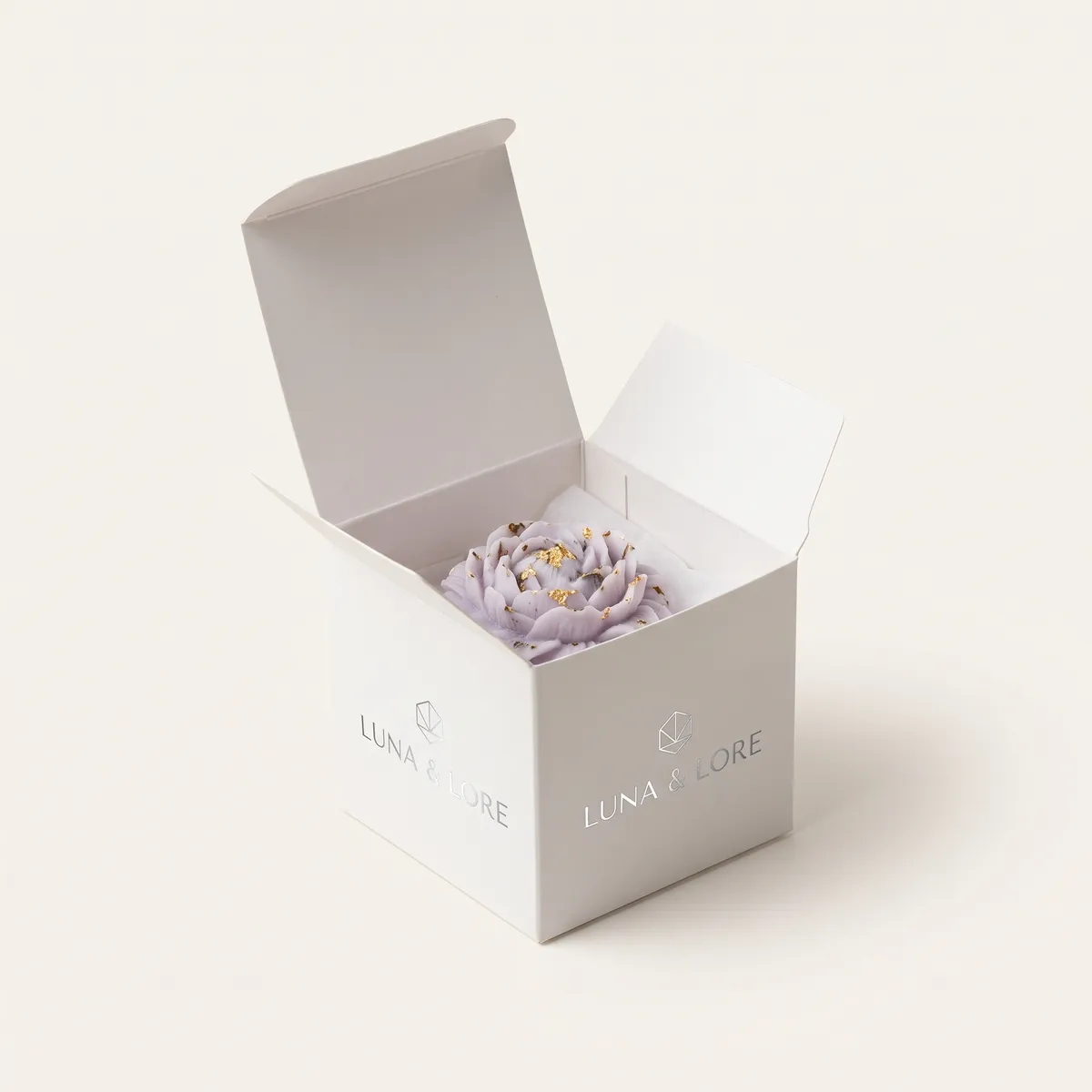
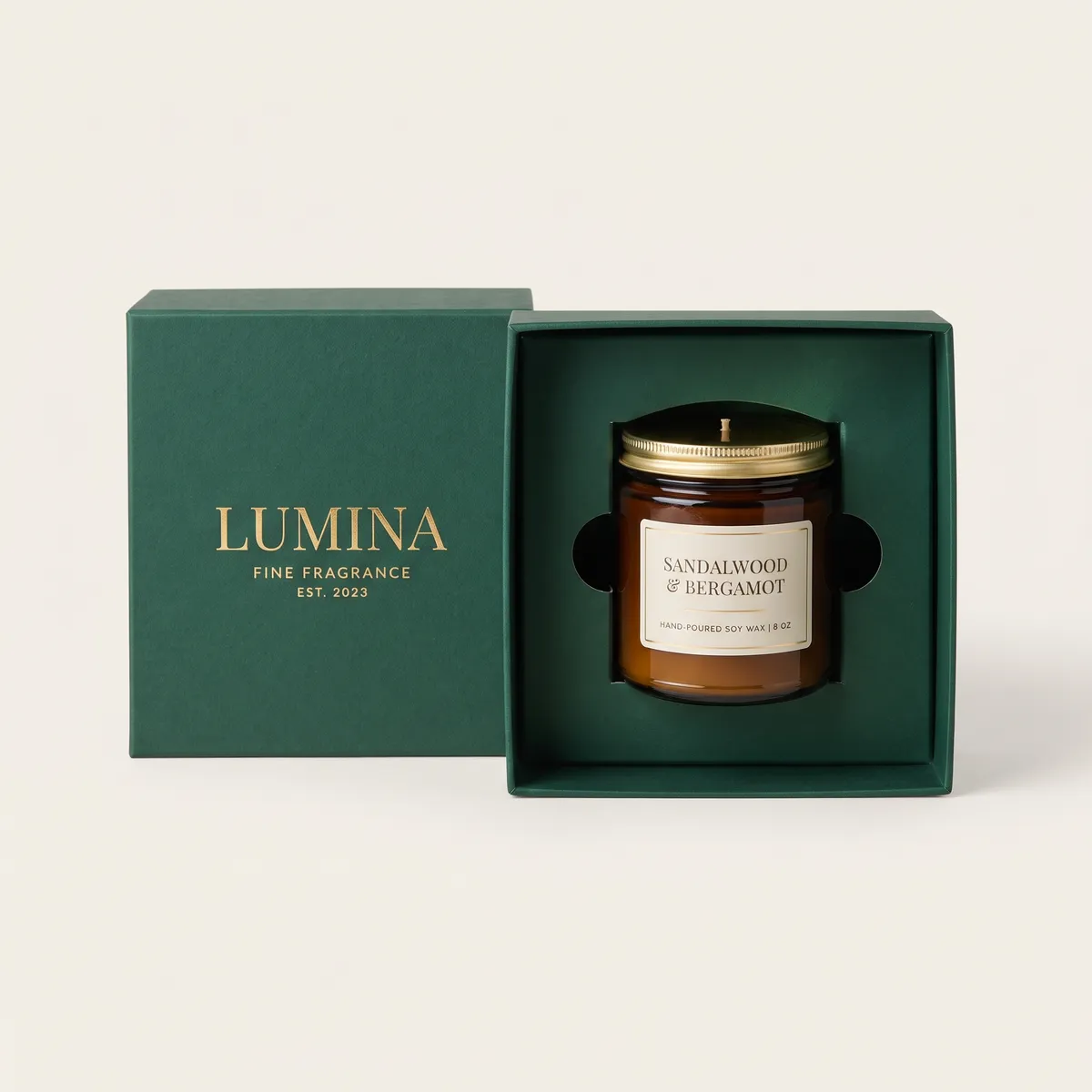
Candle brands add wax melts as an entry-price product, packaged to match their jars so customers recognize the range. Specialist makers selling only melts use clamshells and trays across large scent ranges, where a consistent structure keeps the shelf tidy. Sampler packs of several scents work for gift shops and for first orders online. Shaped melts, such as hearts, stars or seasonal shapes, need cavities cut to the mold rather than a standard cube grid. Many cold-process soap makers also pour melts from the same fragrance oils, and they often package both lines with matching printed panels so a customer recognizes the brand across both.
Deciding on Food-Grade Board Before the Quote
Decide on food-grade board before you ask for a quote, because it changes the stock and inks we specify. If any stockist has asked for food-grade materials on your packs, tell us at the start rather than after the proof. The minimum is 100 boxes, and design help is unlimited and free, which is useful when you're laying out cavities for a new mold. Cutting the cavities adds no time: allow 8–12 business days once the proof is signed, or pay for rush, which we price before you order. Shipping is included, and the quote covers dies, plates and setup. Every box goes through a three-stage check, and if the bulk run doesn't match the approved proof, we reprint at our cost.
One connected process, start to finish.
Structural Design
Dieline drafted to your exact fit and freight tolerances.
Proof & Sample
Sign off on a digital proof, or request a physical sample.
Tooling
Dies and plates are cut for your job and archived on file.
Production
Print, die-cut, and assembly run under in-line quality checks.
Ship & Reorder
Freight goes out, and the cycle resets for your next run.
Steady process. Powerful results.
Like everything we build, our process is engineered to hold up — no shortcuts, no surprises. Five dependable stages that run the same way every single time, so reorders are just as fast as the first order.
- One dedicated teamFrom first sketch to final freight, the same people carry your order start to finish.
- Dies archived on fileReorders skip tooling and re-setup entirely — we already have your exact spec.
- Checked against your sign-offEvery run is inspected against the digital proof or physical sample you approved.
Set up your file once, correctly
Nine in ten delayed jobs are delayed by artwork, not production. Match these four rules and your proof lands the next morning.
- Bleed1/8 in (3 mm) past every cut line
- Safe ZoneKeep text 1/4 in clear of every crease
- ColourCMYK or named Pantone. No RGB.
- Resolution300 dpi at final size, fonts outlined
No print-ready file?
Send a logo and a rough idea. Our studio builds the production file free with any order over 500 units — you keep the source file either way.
Ask the StudioBackground art must run all the way to the outer bleed edge. Anything inside the white dashed line survives fold tolerance.
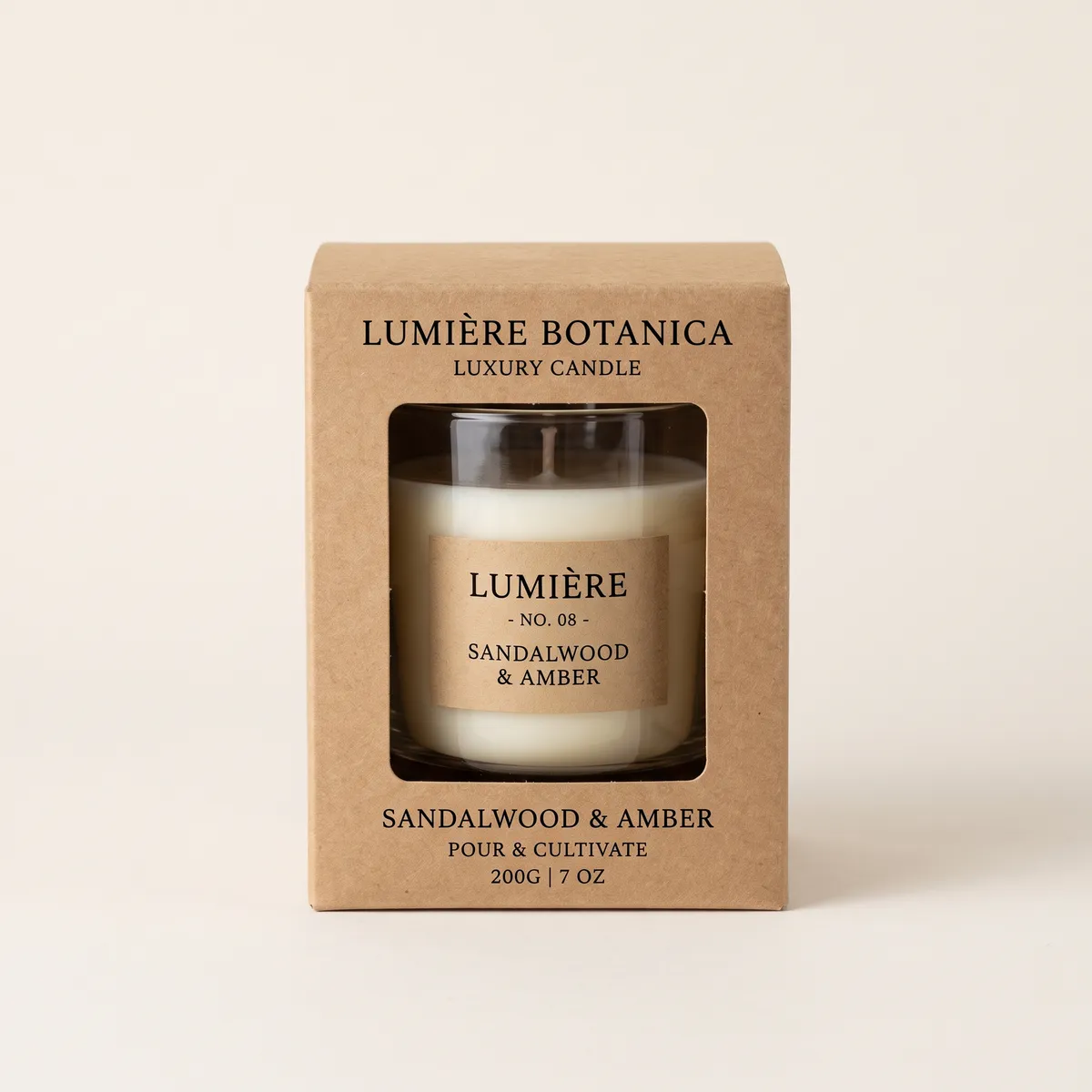
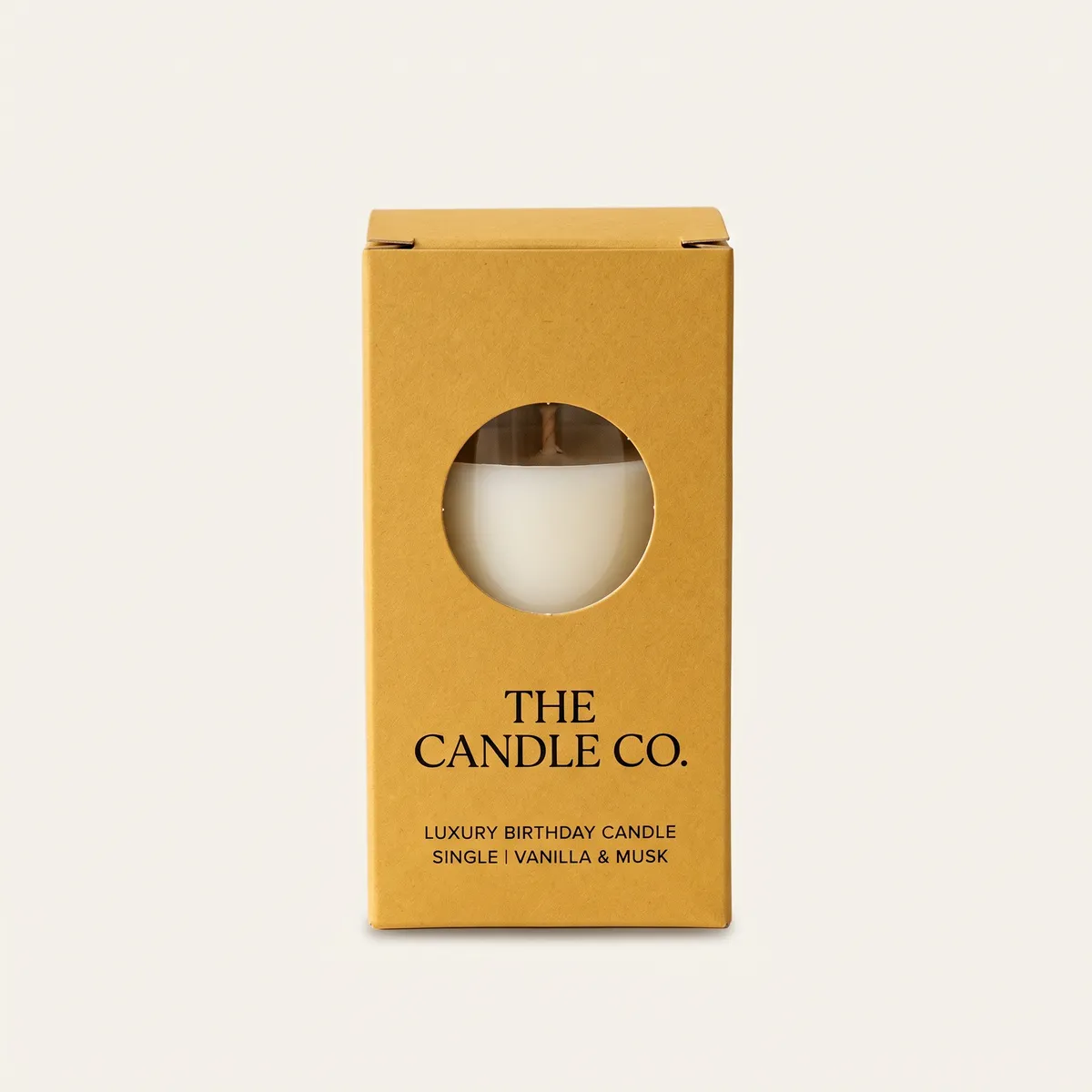
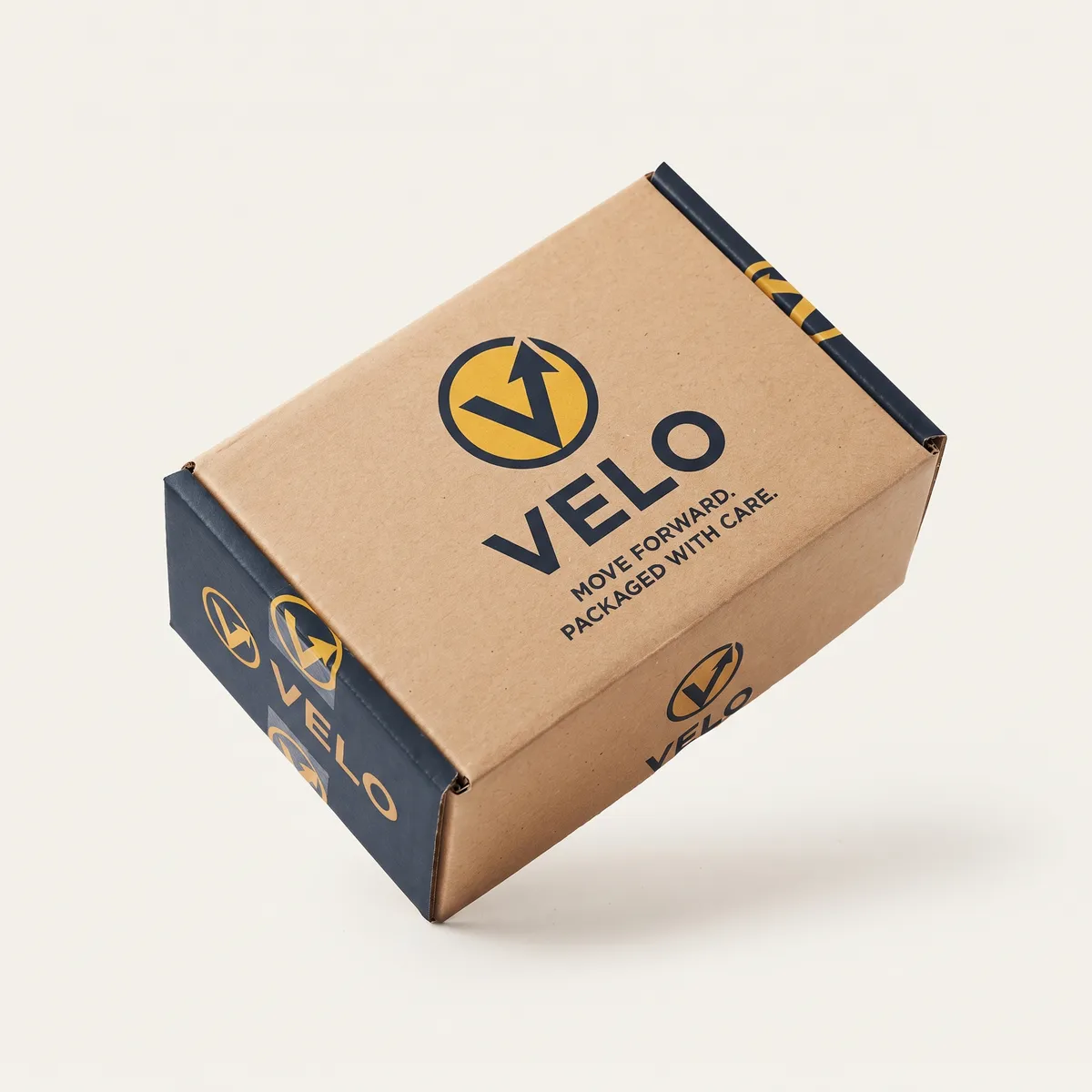
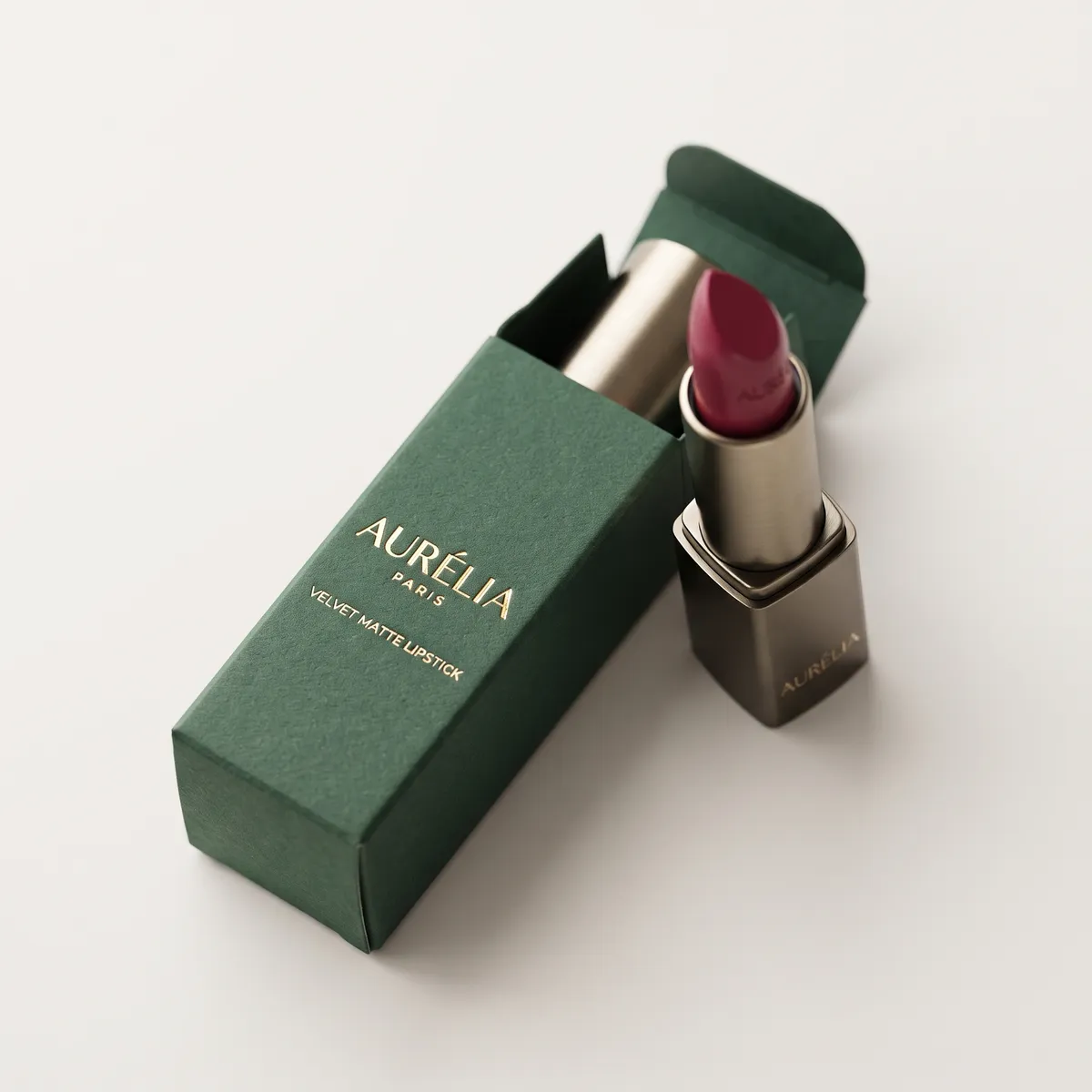
What brands say about this box
They live there rather than here, where we can't edit them, delete them, or pick which ones you get to see. That is exactly what makes them worth reading.
Read all reviews on Trustpilot(opens in a new tab)Answers before you have to ask.
What formats do wax melt boxes come in?
Clamshells, trays with cavities per cube, and simple tuck cartons for pre-wrapped melts. The right one depends on whether the melts are individually wrapped or sit directly against the board.
Can wax melt boxes be food-grade?
Yes, if specified as food-grade board with food-safe inks. Wax melts aren't food, but some customers and retailers expect food-grade stock since the format resembles confectionery packaging. Tell us if you need it.
Do wax melt boxes need a coating?
For unwrapped melts sitting against the board, yes. Wax transfers oil over time and marks uncoated stock. For individually wrapped melts a coating matters less, though it still protects the print.
What's the turnaround on wax melt boxes?
Usually 8–12 business days from proof approval, cavities included. Rush production is available at an extra cost stated first, with shipping included on every order.
What's the minimum on wax melt boxes?
100 boxes. Wax melt lines usually carry several scents, so running them together on one structure with different printed panels keeps the per-unit cost down.