
Candle Boxes with Inserts
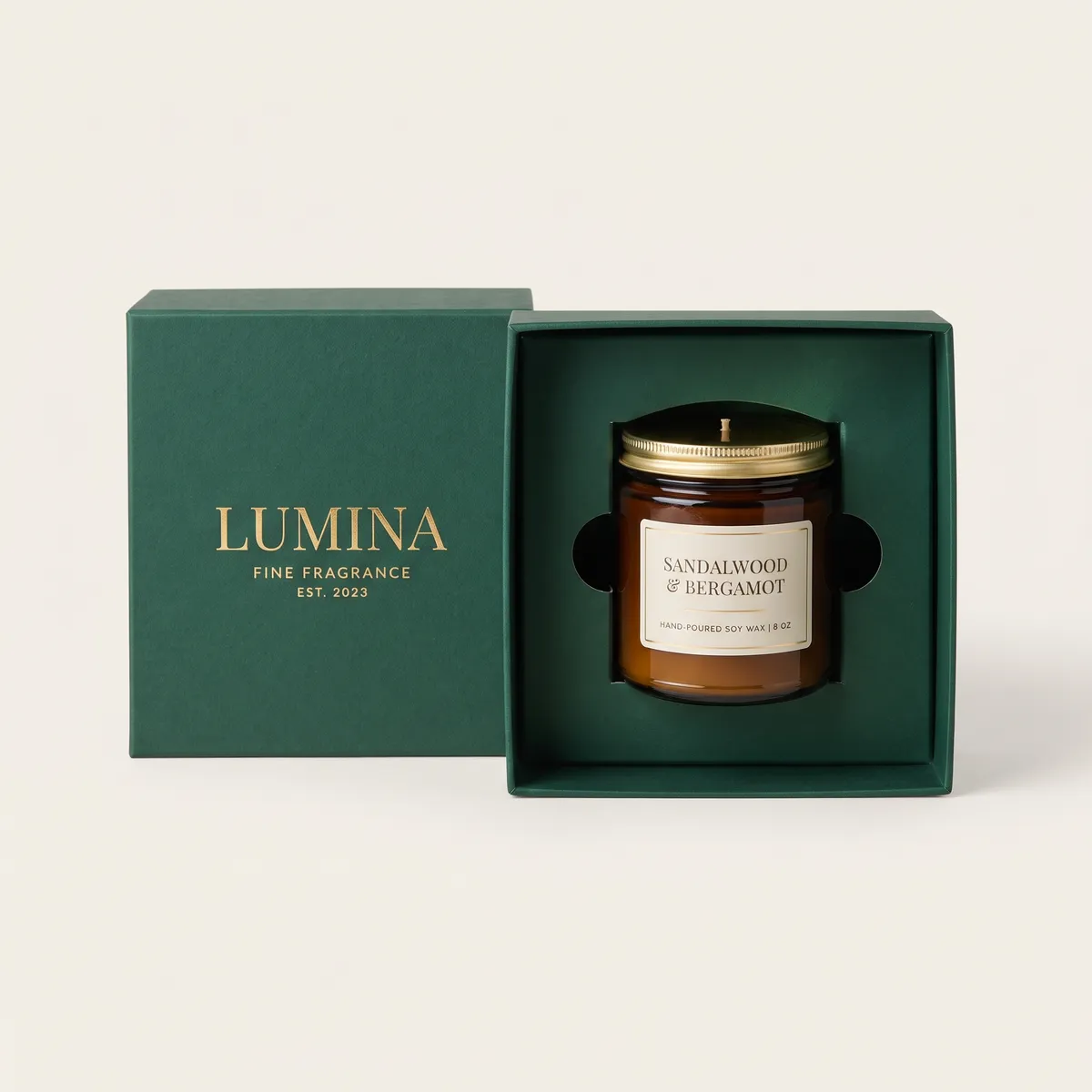
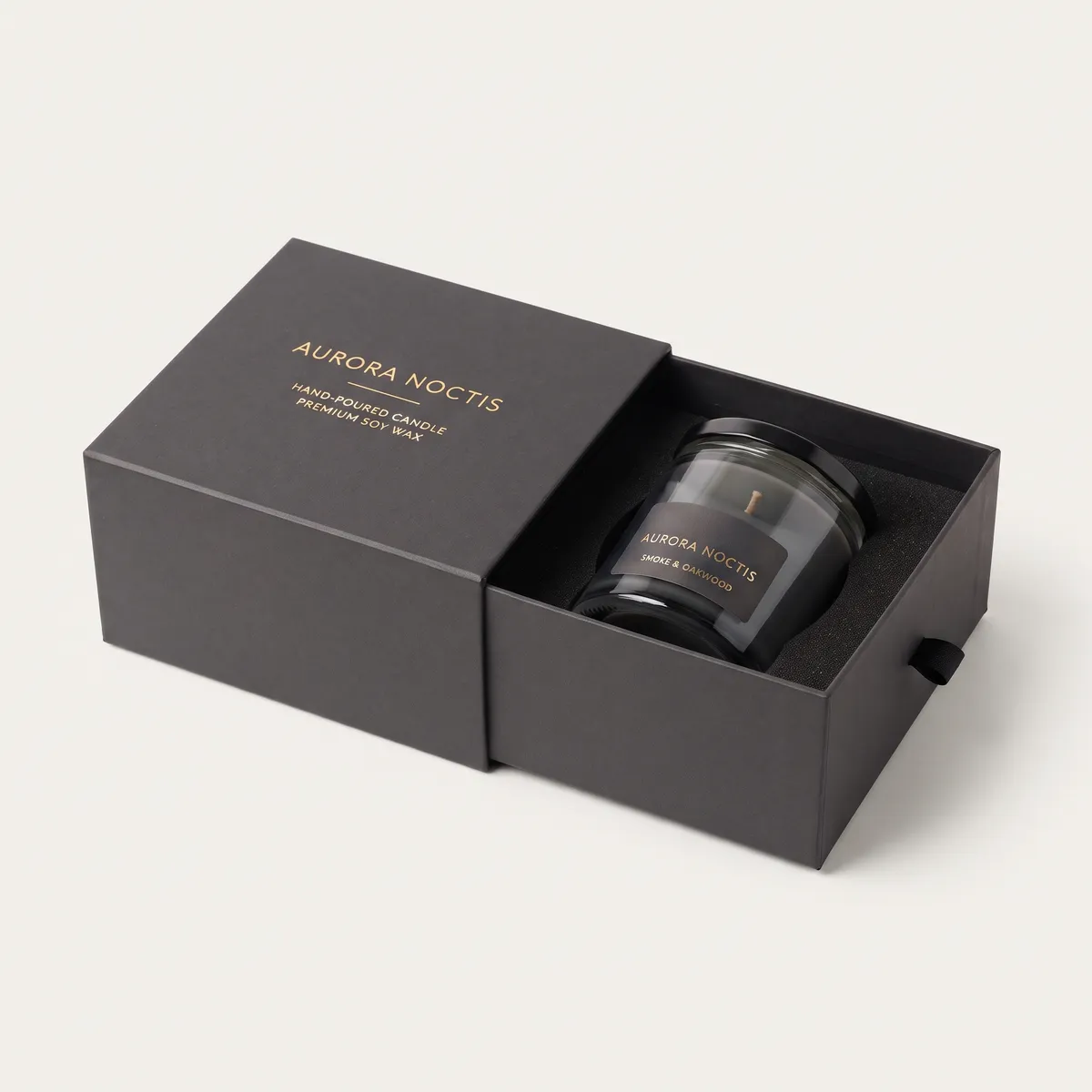
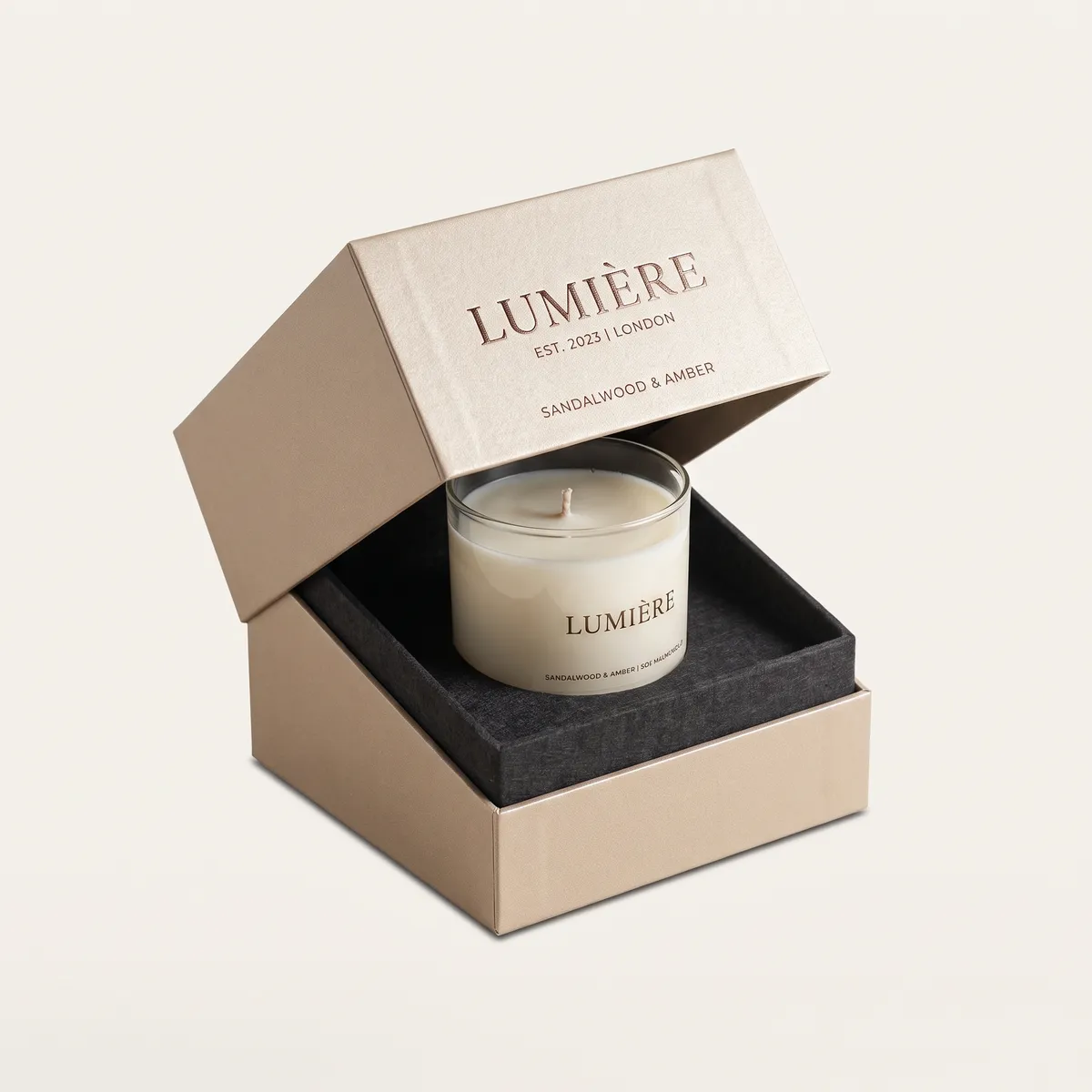
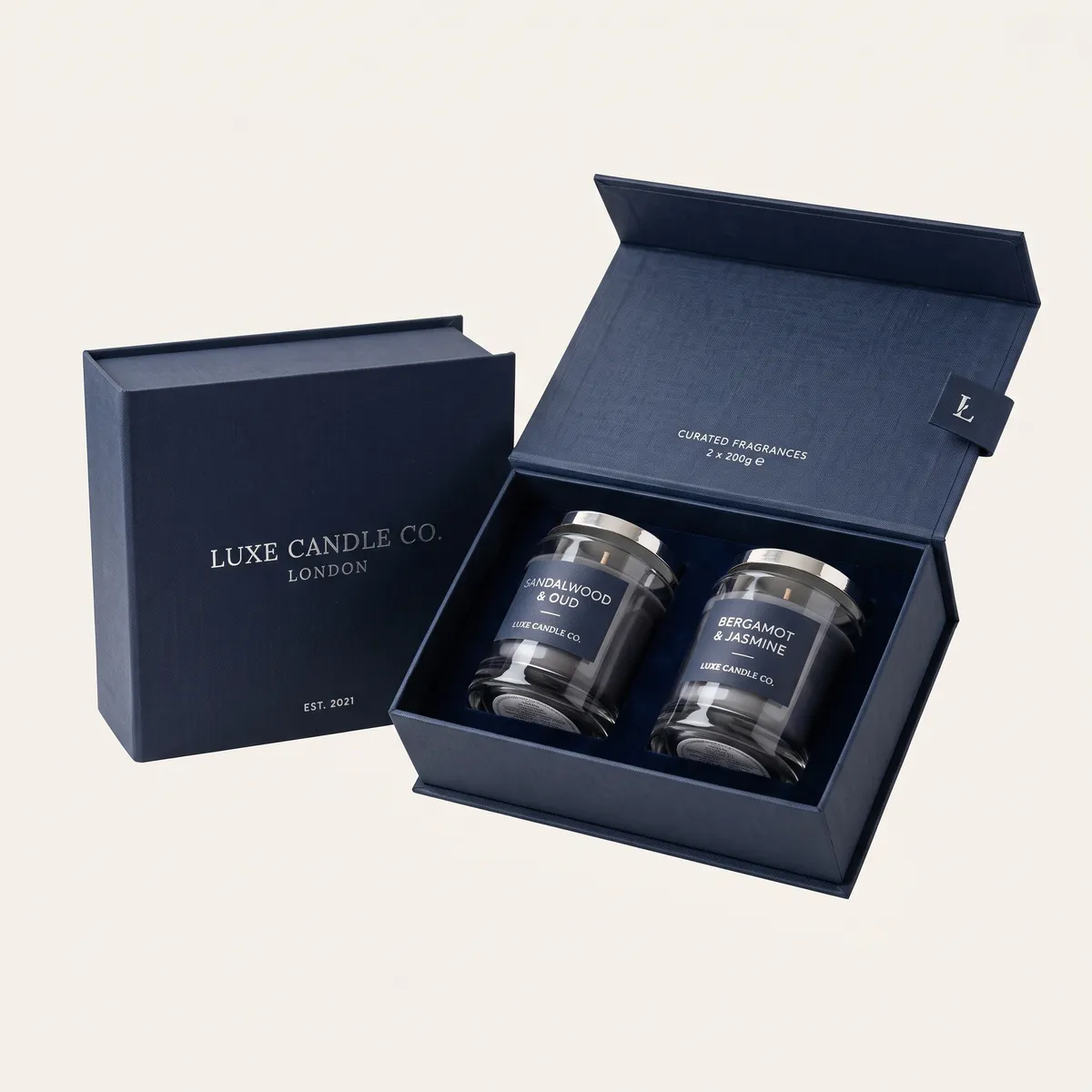
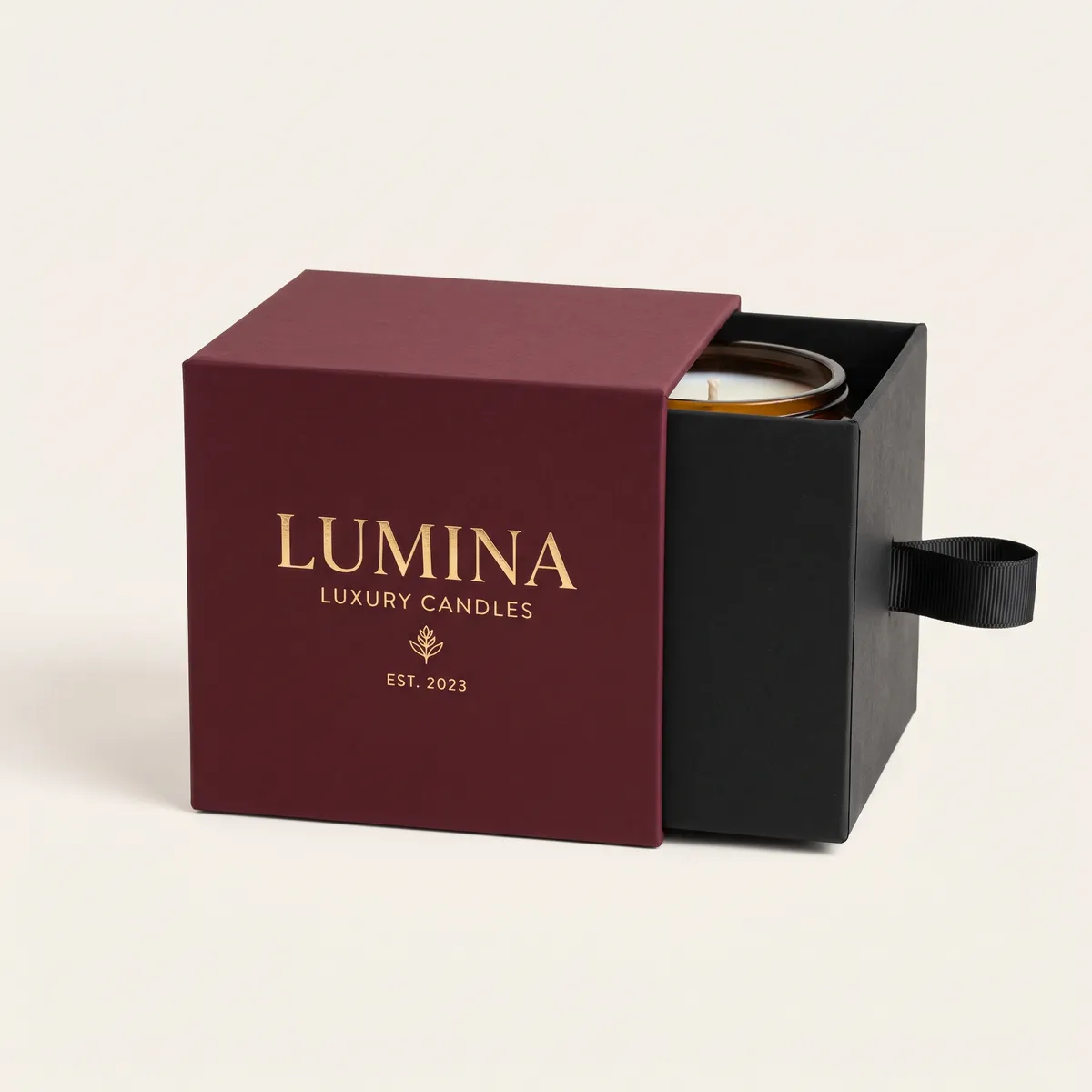
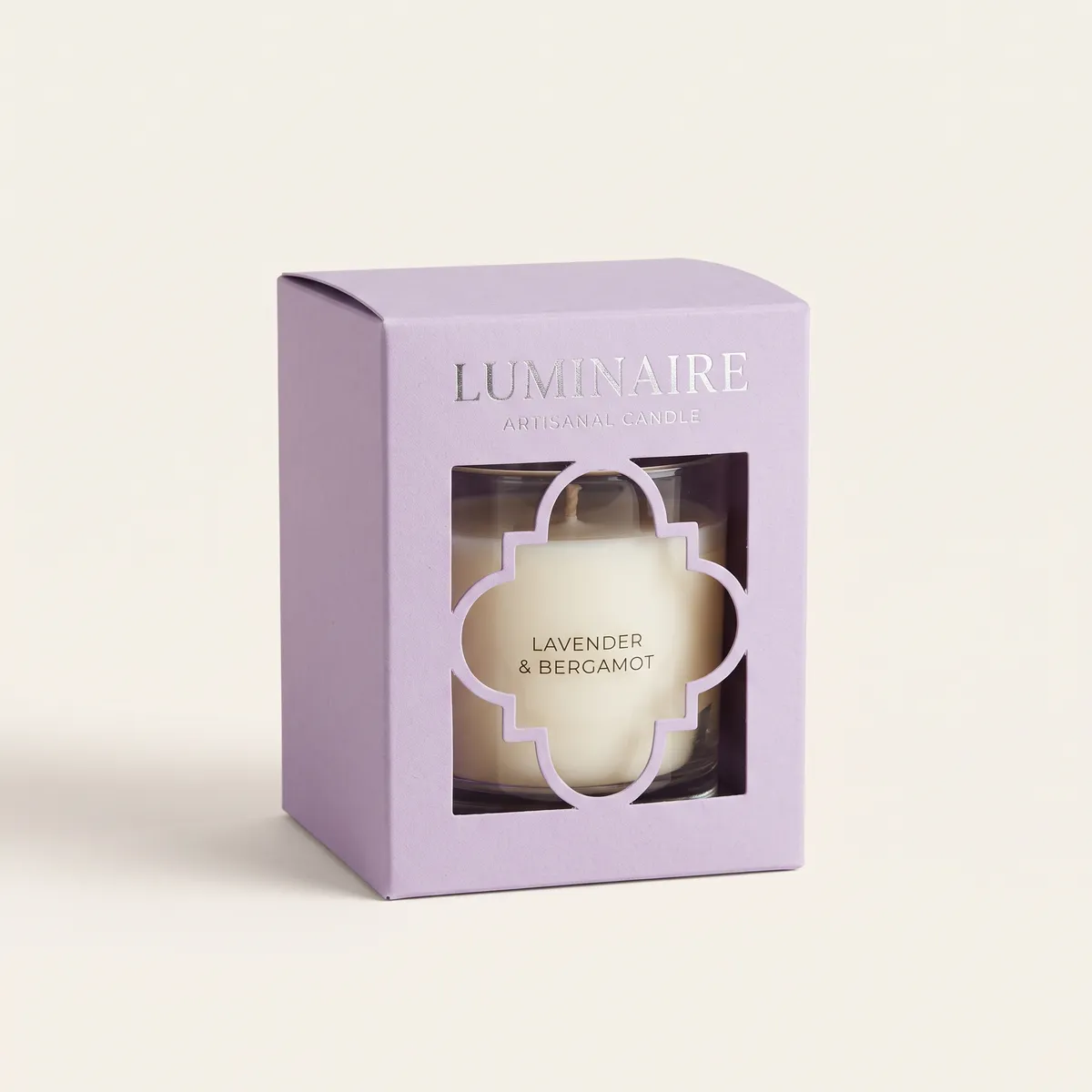
Candle boxes with inserts have a cavity cut within a millimeter of your vessel's diameter and height, because a jar that rattles chips its rim in transit. The insert is the most important spend on candle packaging and far cheaper than refunds. If you pour several vessel sizes, cavity layouts can change without new box tooling, provided the outer footprint stays unchanged.
Ours are on Trustpilot, where we can't edit them or choose which ones you see.
Read them on Trustpilot →(opens in a new tab)Four stages, twelve days
Quote confirmed
A specialist checks your spec against the board and comes back with a firm price inside 4 business hours.
Proof approved
You get a flat dieline and a 3D render. Nothing goes to press until you approve it in writing.
On press
Print, die-cut, glue, and fold. You get a press-side photo the day your job runs.
QC and delivery
Every pallet is sampled against the digital proof or physical sample you approved, then shipped with tracking to your dock or 3PL.
If a box doesn't match the digital proof or physical sample you approved, we reprint the run at no charge.
Read the reprint terms →Know exactly what you're ordering.
Starting a Candle Box From the Jar Inward
Most candle boxes are designed from the outside in: pick a size, then fill the gap. This one works the other way round. You start with the jar, measure it properly, and build the insert to hold it; the outer box is simply whatever fits around the insert. The measurements that matter are the widest point of the vessel, which isn't always the base, the overall height including the lid, and anything that sticks out, such as a wooden lid or a handle. The brands buying these ship heavy glass or ceramic vessels through parcel networks, where any movement inside the box ends in a chip. If you sell tins or light jars face to face, a plainer box may be all you need.
Insert Cavity Tolerances for Glass Candle Vessels
Inserts are commonly cut from dense insert board, which holds a clean die-cut edge and costs less than printed stock, while the outer box is chosen for print and presentation.
| Attribute | Specification |
|---|---|
| Cavity fit | Cut to vessel diameter and height |
| Insert tolerance | ±0.5mm |
| Box tolerance | ±1mm |
| Layouts | Single jar, multi-jar, jar plus accessories |
| Outer box | Folding carton or rigid |
| Measurement | Internal vs external confirmed in writing |
For a jar with a shoulder or a tapered base, the cavity can be stepped so it grips the vessel at its widest point rather than leaving a gap at the bottom. Send a sample jar's measurements, not the supplier's catalog figures.
Why the Tray Does the Protective Work, Not the Outer Box
A thicker outer box seems like the obvious fix for breakage, but it treats the wrong part of the problem. Jars rarely break because the box was crushed; they break because they moved inside it and struck a wall or each other. A tray cut to the jar's diameter stops that movement at the source, so the outer box only has to keep the tray clean and closed. That's why spending on the insert first and the outer second is the sensible order. It also means you can choose the outer purely for looks, in kraft, cardboard or rigid, without changing how well the candle travels. For multi-jar sets, one tray holding every vessel apart does far more than wrapping each separately.
What Gets Printed When the Insert Is Part of the Reveal
Whether the insert should be printed depends on how much of it the customer sees. In a deep box where the jar fills the cavity, very little shows, and plain board is the sensible choice. In a shallow tray or a gift set, the insert is visible the moment the lid comes off, so it becomes part of the presentation. Raw chipboard is gray and slightly rough; it takes basic print but doesn't hold foil reliably. A printed insert in coated board can carry your brand color or a short message. On rigid boxes the insert can be wrapped in the same paper as the outer, which gives the most finished look. A small thumb notch beside the cavity helps customers lift a tight-fitting jar out cleanly.
Insert Boxes for Heavy Jars, Multi-Vessel Sets and Fragrance Pairings
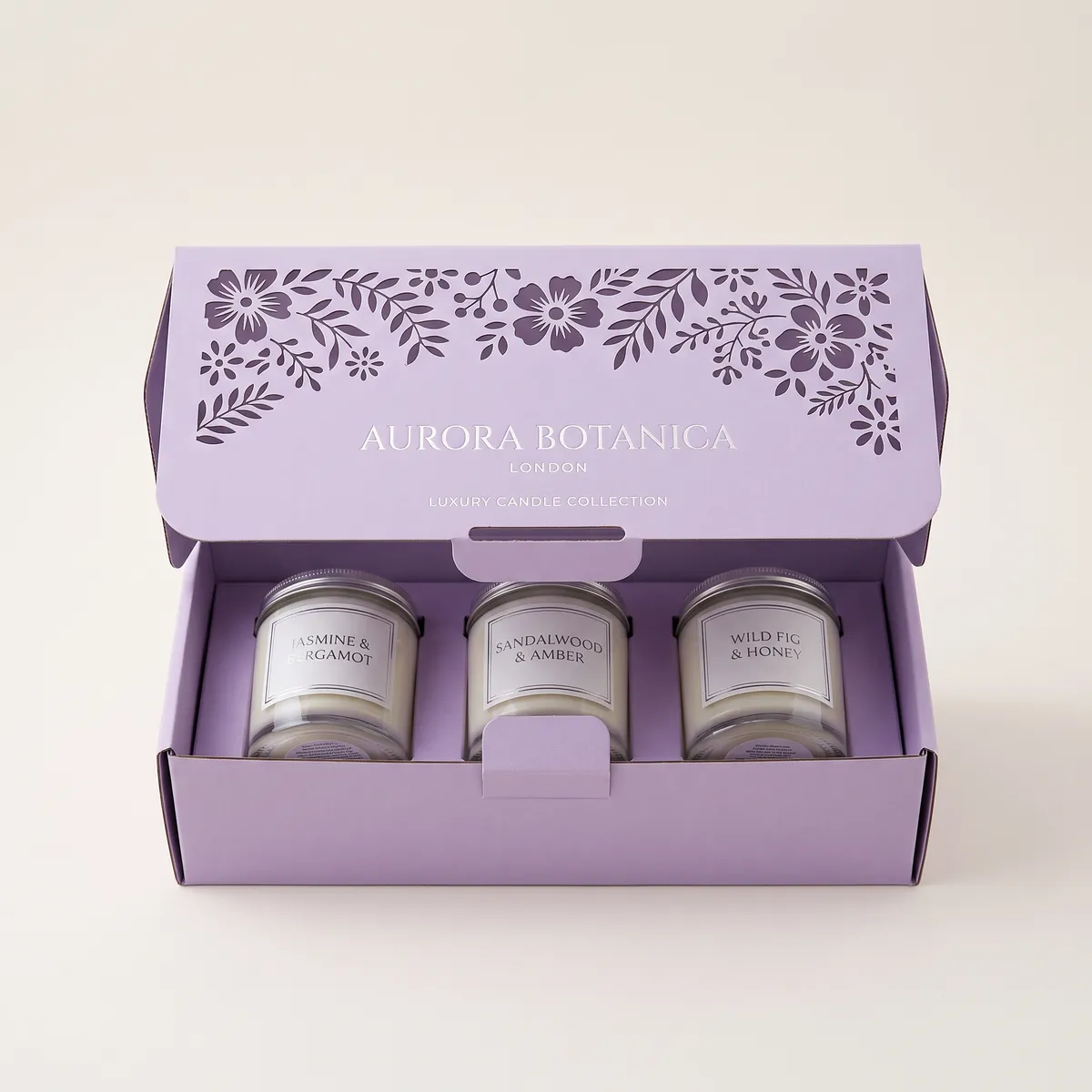
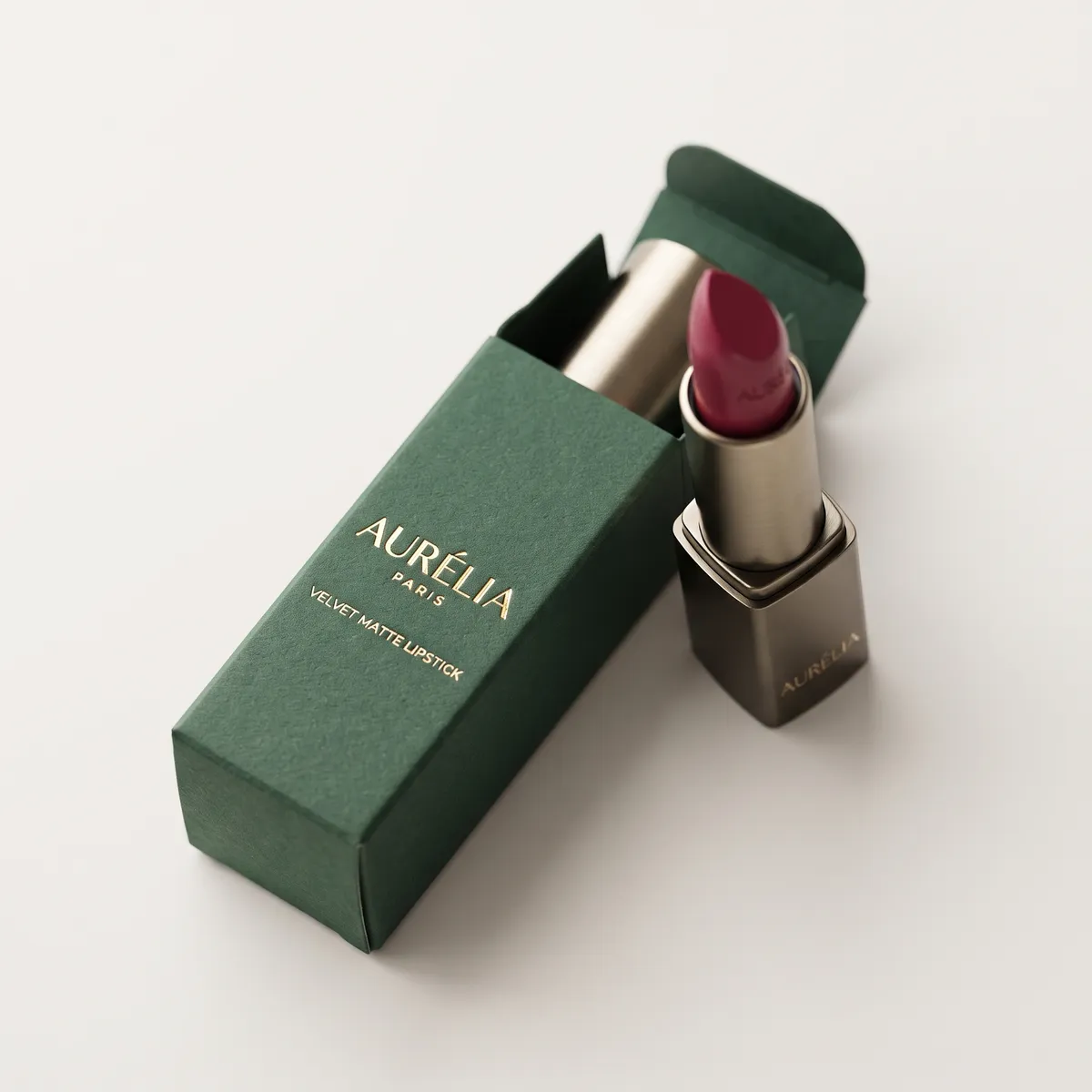
The clearest case is a heavy jar sold online, since it spends days in parcel networks with nobody handling it gently. Multi-vessel sets, such as a trio of travel candles or a candle with a matching room spray, need each item held apart. Brands selling candles next to fine fragrance packaging often adopt the same fitted cavities used for perfume bottles, so a candle and a fragrance can share one gift box. Reed diffuser pairings need a cavity for the bottle and a slot for the reeds. Ceramic and stone vessels, which are heavy and costly to replace, gain the most from a tight fit, and so do brands whose jars are reused as part of the product's appeal.
Ordering Several Vessel Sizes on One Outer Box
If you pour more than one vessel size, you may not need a separate box for each. Where the outer footprint can stay the same, we can cut a different cavity layout for each jar, so one printed outer serves several products and only the insert changes. Changing the outer dimensions does mean a new die. Send us the diameter and height of every vessel you plan to box, and we'll show which ones can share a footprint before you approve anything. The minimum is 100 boxes. Folding builds run 8–12 business days from proof approval, and rigid outers take 20. Rush is available at an extra cost quoted upfront. Shipping is included, and there are no hidden setup charges.
One connected process, start to finish.
Structural Design
Dieline drafted to your exact fit and freight tolerances.
Proof & Sample
Sign off on a digital proof, or request a physical sample.
Tooling
Dies and plates are cut for your job and archived on file.
Production
Print, die-cut, and assembly run under in-line quality checks.
Ship & Reorder
Freight goes out, and the cycle resets for your next run.
Steady process. Powerful results.
Like everything we build, our process is engineered to hold up — no shortcuts, no surprises. Five dependable stages that run the same way every single time, so reorders are just as fast as the first order.
- One dedicated teamFrom first sketch to final freight, the same people carry your order start to finish.
- Dies archived on fileReorders skip tooling and re-setup entirely — we already have your exact spec.
- Checked against your sign-offEvery run is inspected against the digital proof or physical sample you approved.
Set up your file once, correctly
Nine in ten delayed jobs are delayed by artwork, not production. Match these four rules and your proof lands the next morning.
- Bleed1/8 in (3 mm) past every cut line
- Safe ZoneKeep text 1/4 in clear of every crease
- ColourCMYK or named Pantone. No RGB.
- Resolution300 dpi at final size, fonts outlined
No print-ready file?
Send a logo and a rough idea. Our studio builds the production file free with any order over 500 units — you keep the source file either way.
Ask the StudioBackground art must run all the way to the outer bleed edge. Anything inside the white dashed line survives fold tolerance.
What brands say about this box
They live there rather than here, where we can't edit them, delete them, or pick which ones you get to see. That is exactly what makes them worth reading.
Read all reviews on Trustpilot(opens in a new tab)Answers before you have to ask.
How exact does the insert cavity need to be?
Within a millimeter. A cavity cut too wide lets a heavy glass jar rattle, which is what chips rims in transit. Too tight and it won't seat without forcing. Send us your vessel diameter and height and we'll cut to it.
Can inserts be changed without new box tooling?
Yes, within limits. If the new cavity layout fits the same box footprint, you can change it without new box tooling. Changing the box dimensions themselves does require a new die.
Do inserts add much to the price?
Modestly, and they're the most important spend on candle packaging. A die-cut cavity is inexpensive at volume, and considerably cheaper than the refunds that come from chipped jars.
What's the turnaround on boxes with inserts?
About 8–12 business days once you approve the proof. Cutting cavities doesn't extend the timeline. Rush is available at an added cost stated upfront, shipping included.
Can I order boxes with different insert sizes?
Yes. As long as the outer box footprint stays the same, different cavity layouts can run without new box tooling — useful if you pour several vessel sizes.