
Vape Cartridge Boxes
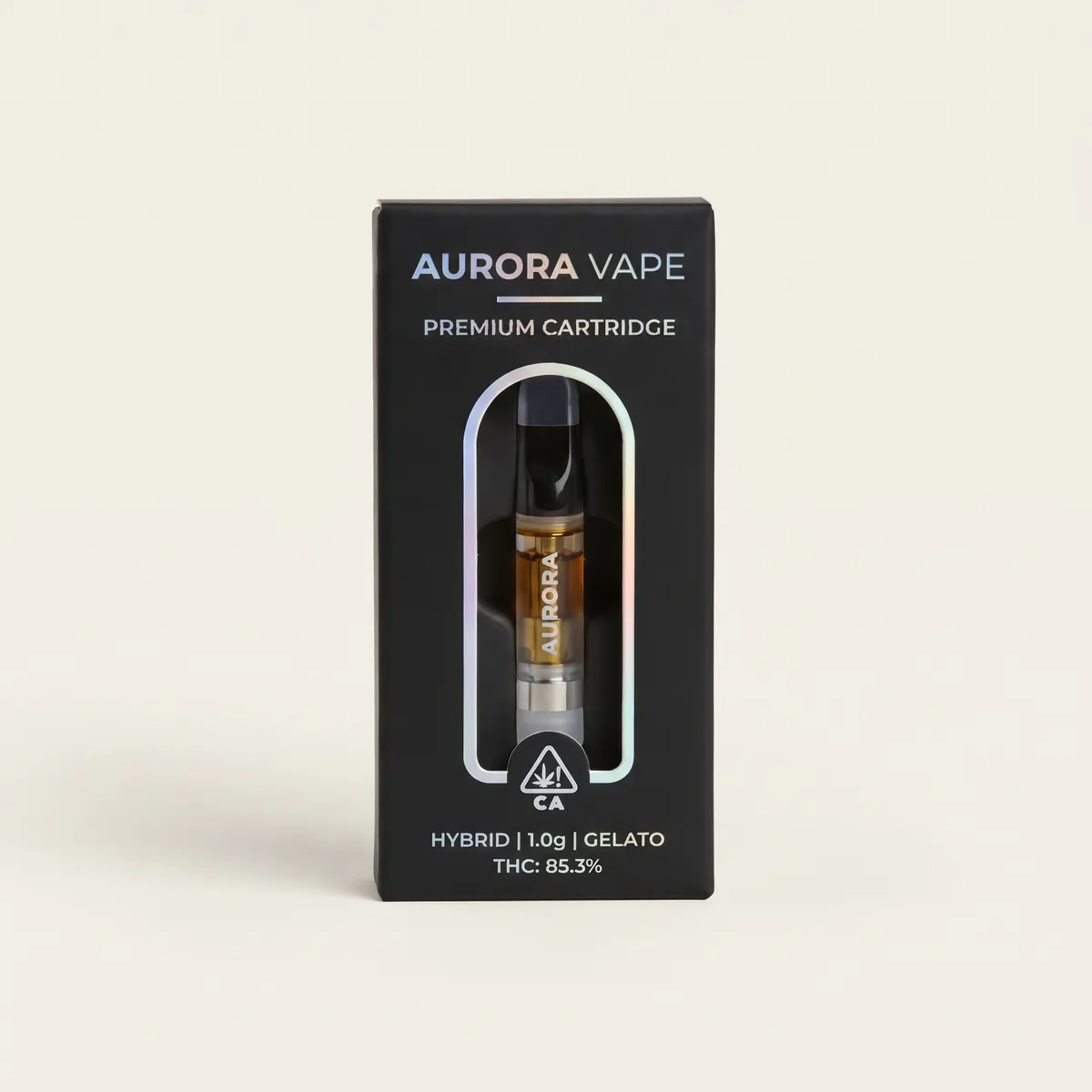
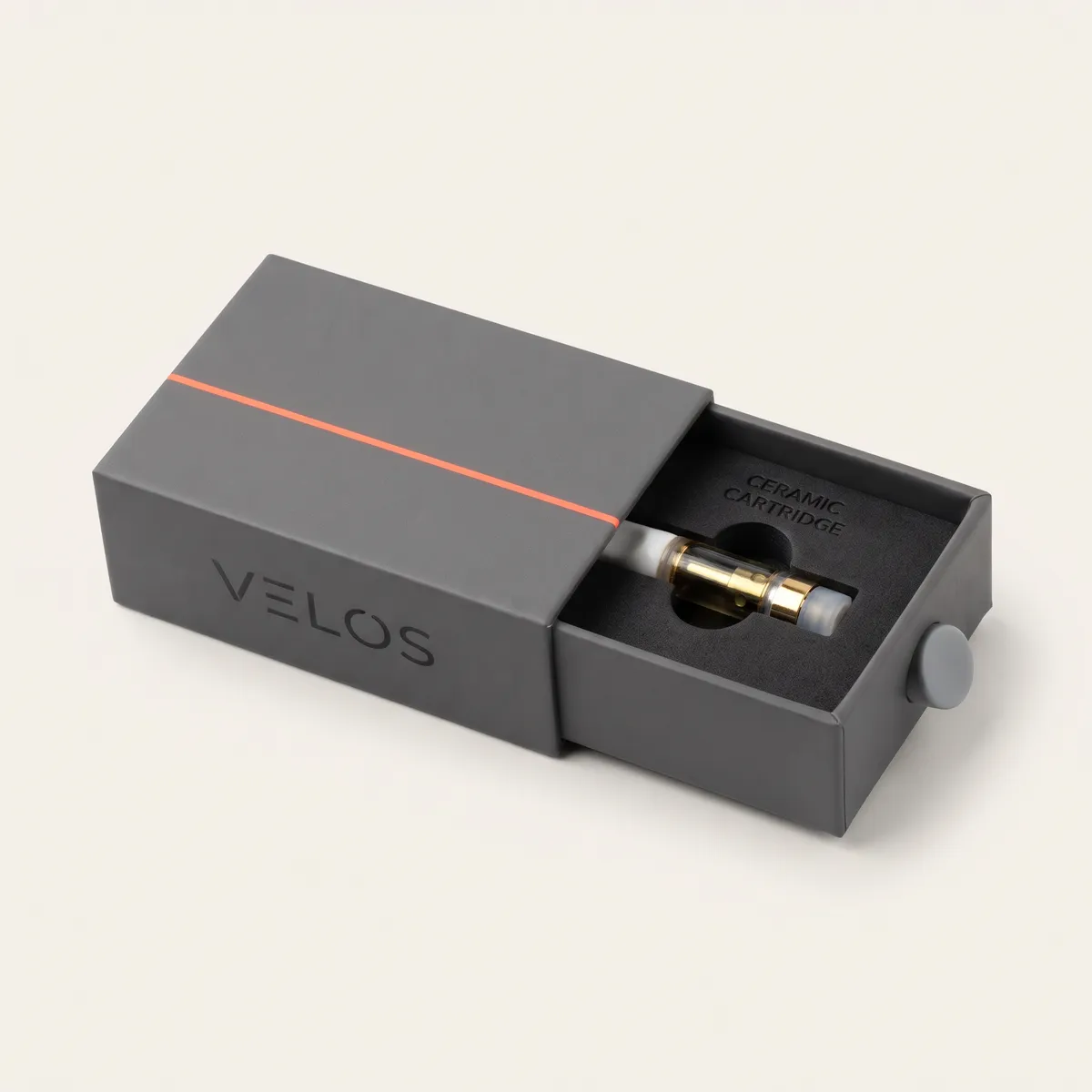
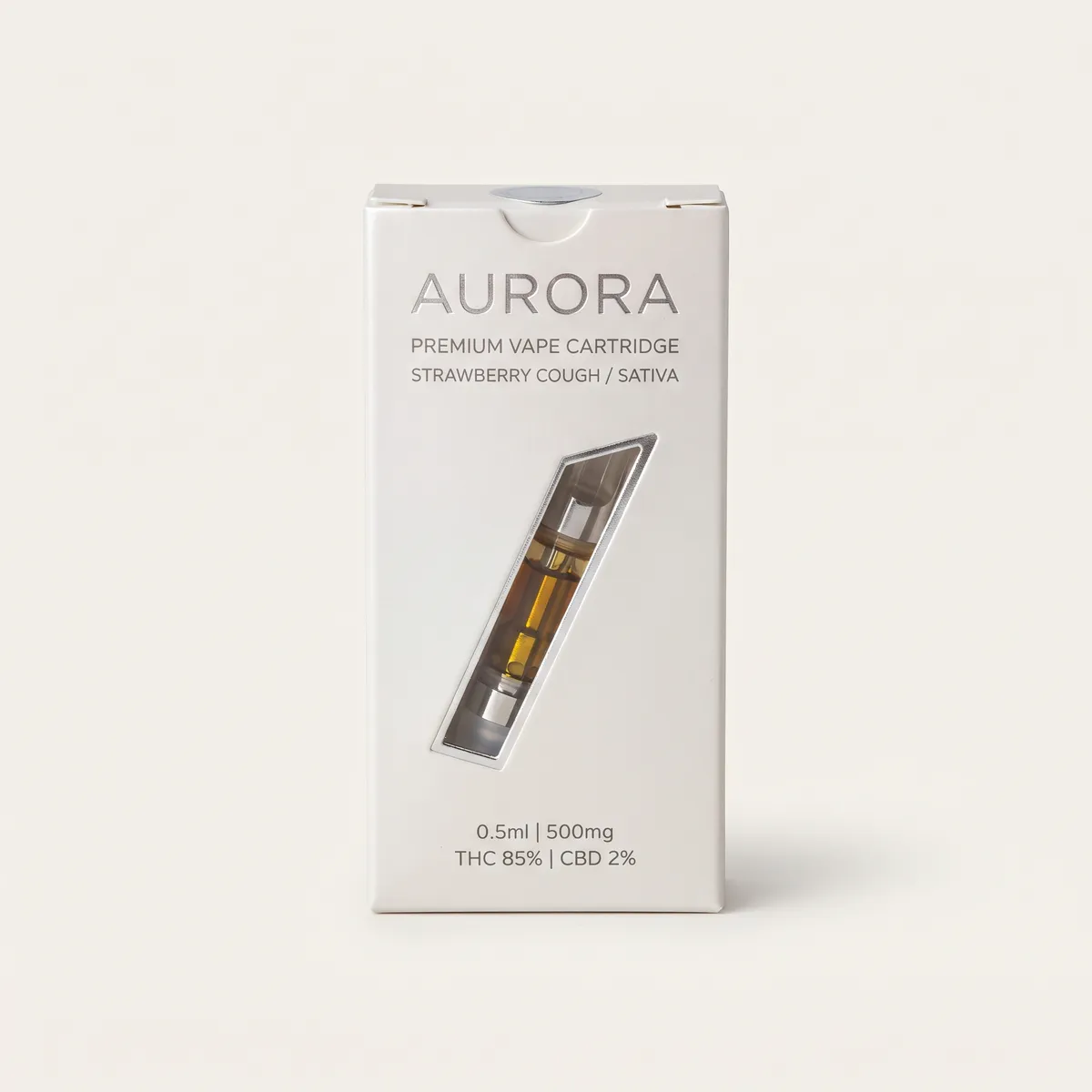
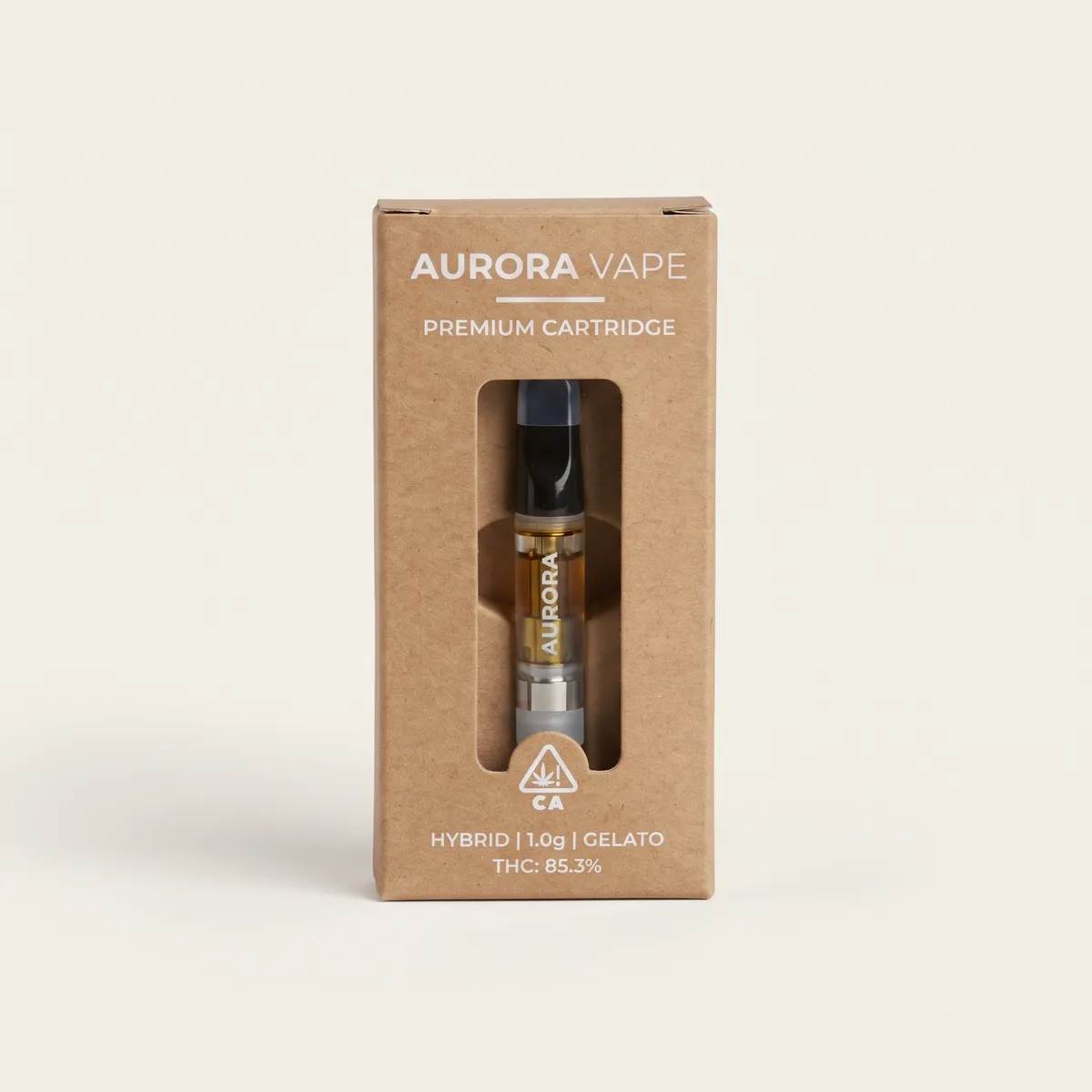
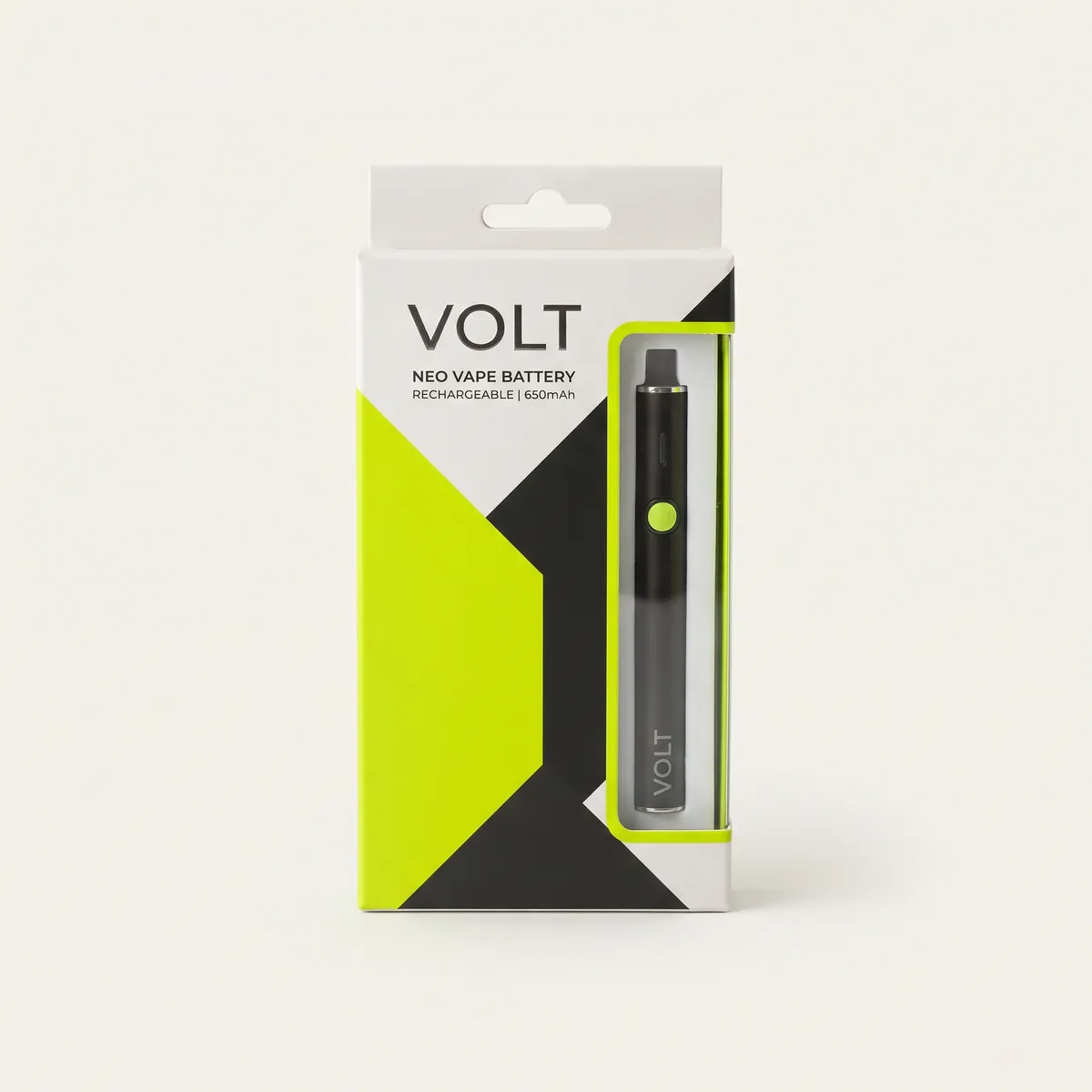
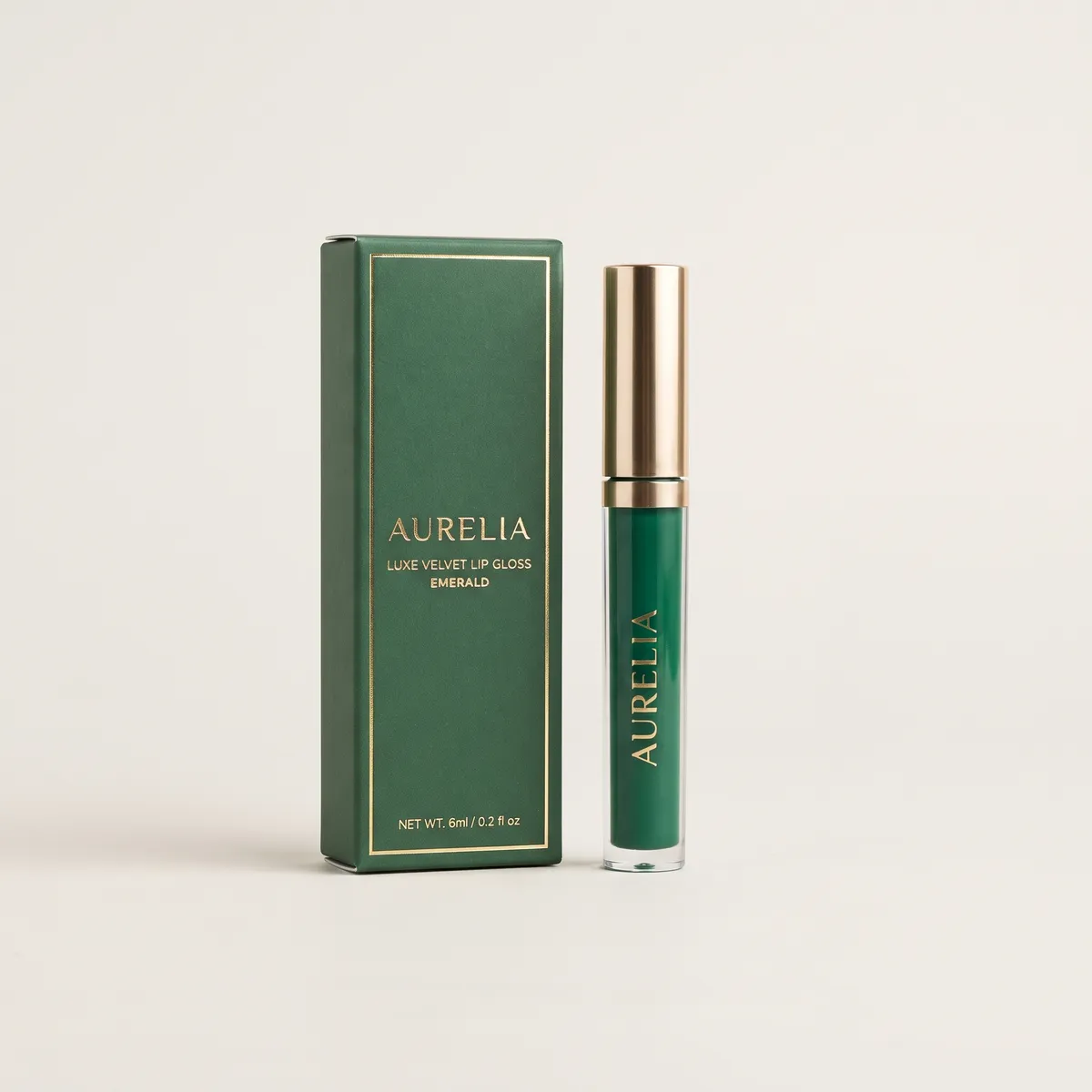
Vape cartridge boxes hold 510 carts in a cavity cut to the cart's actual dimensions, because slim carts scratch against board and a loose mouthpiece knocks, which is what customers notice first. Child-resistant closures can be built in where your market requires them, designed into the structure from the start. Folding cartons handle most carts; rigid suits limited editions.
Ours are on Trustpilot, where we can't edit them or choose which ones you see.
Read them on Trustpilot →(opens in a new tab)Four stages, twelve days
Quote confirmed
A specialist checks your spec against the board and comes back with a firm price inside 4 business hours.
Proof approved
You get a flat dieline and a 3D render. Nothing goes to press until you approve it in writing.
On press
Print, die-cut, glue, and fold. You get a press-side photo the day your job runs.
QC and delivery
Every pallet is sampled against the digital proof or physical sample you approved, then shipped with tracking to your dock or 3PL.
If a box doesn't match the digital proof or physical sample you approved, we reprint the run at no charge.
Read the reprint terms →Know exactly what you're ordering.
A Box That Is Mostly Insert Around a 510 Cart
Open a cartridge box and most of what you see is the insert. The outer carton is small and simple in construction. The real work sits in the cavity, which decides whether a cart reaches the customer clean or carries scuffs they spot before it ever meets a battery.
The buyers are cart brands and tank sellers, usually running several strains or flavors on the same hardware with a different label for each. That makes the box a repeat purchase rather than a one-off, so the dieline is worth getting right at the start. Once the structure is set, later runs change the artwork, not the build, and the same cavity does the same job on every reorder that follows.
Cart Box Board, Cavity and Closure Specs
The outer is plain 18–24pt carton board, folded as a carton on most builds. The precision is all in the cavity that holds the cart upright.
| Spec | Cartridge box |
|---|---|
| Outer stock | 18–24pt printable carton board |
| Insert | Die-cut cavity to the cart's measured dimensions |
| Tolerance | Around ±0.5mm |
| Closure | Tuck end on most builds; child-resistant where your market requires it |
| Rigid option | Wrapped rigid board for limited editions |
Tolerance matters more here than on most cartons. A cart is slim enough that half a millimeter of slack lets it turn in its cavity. Send the cart's length, widest diameter and mouthpiece profile, and we build the dieline from those, confirming in writing whether each figure is internal or external.
Why a Folding Carton Usually Beats Rigid for Carts
A cart weighs very little and sits in a fitted cavity, so the outer box isn't doing much structural work. That is the case for a folding carton with a cut cart insert: the insert carries the protection, and the carton carries the print.
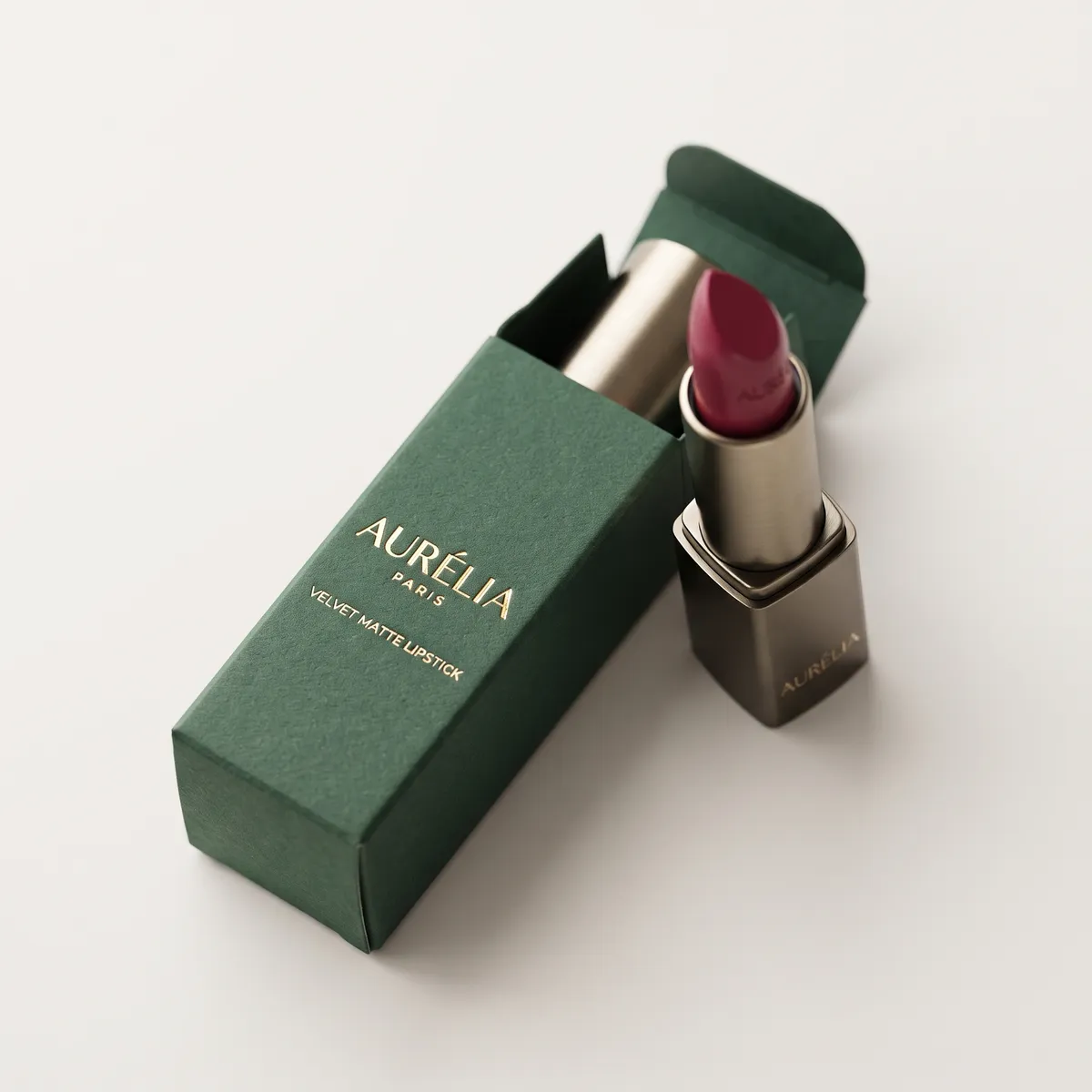
Rigid board adds weight and cost that a cart doesn't need for protection. Where rigid does earn its place is positioning: a limited drop or a premium tank sold at a price where the box is part of what the buyer is paying for. Outside those cases, money spent on rigid comes out of the two things that change results, which are cavity fit and clean, readable print. Most cart lines are folding cartons, and a few move to rigid for specific releases.
Small-Panel Print for Cartridge Packaging
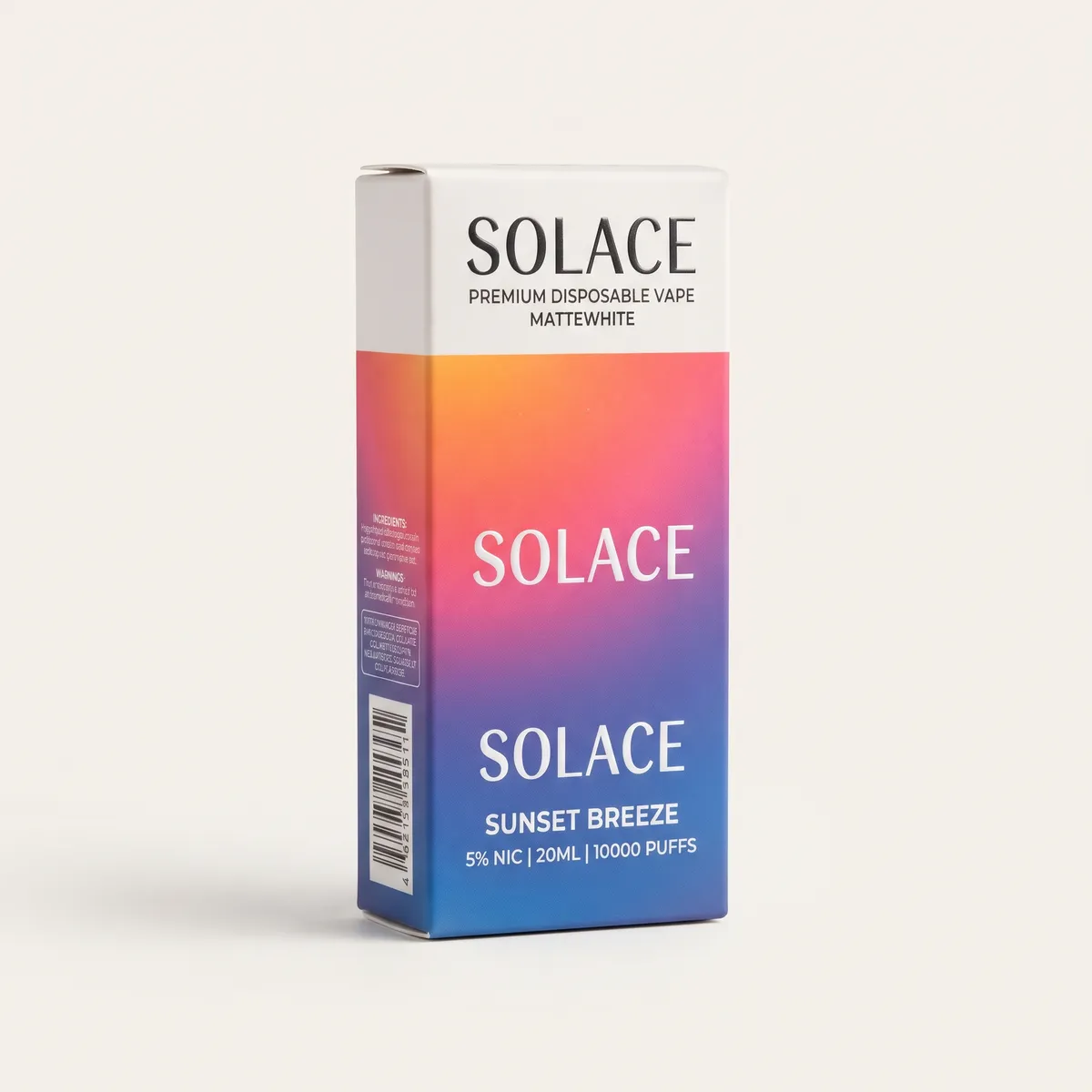
A cart box has very little face to work with, and part of it belongs to warning copy. Plan the panels before choosing finishes: decide where warnings and batch details sit, keep that face flat and high-contrast, then place the brand.
Full-color print, matte or soft-touch coating and a foil mark are all available. Foil and gloss stay off the warning panel, where they cut legibility under store lighting. On a box this small, fine foil lines and tiny type are where registration problems show first, so keep marks simple and clear of the folds. For long strain ranges, digital print gives each its own panel. Spending past one foil mark rarely shows on a box this small.
Cartridge Boxes for Strain Ranges, Tanks and Limited Drops
Strain and flavor ranges are the most common order: one dieline, one cavity and a different printed panel per variant, so the shelf reads as one family. Refillable tank sellers use the same build with the cavity cut deeper to the tank's body.
Limited drops and collaborations are where rigid appears, usually in short runs where the box is likely to be kept. Private-label buyers order the plain structure and supply their own artwork. Brands that sell carts alongside other extracts will find the panel planning carries straight over from CBD and hemp cartridge packaging, where warning copy also competes with branding for a small face. Whatever the use, the deciding step is the same: measure the cart you actually ship, mouthpiece included, and cut to that.
Ordering Cart Boxes With a Closure Decided Early
Settle the child-resistant question before artwork. A CR mechanism is a structural decision, so it is fixed before the dieline is drawn. Tell us your destination markets and we'll build to the requirement you name; confirming the rule itself stays with you.
From there the order is simple. The minimum is 100 boxes, design help is unlimited and free, and nothing is printed until you approve a proof. Every box passes a three-stage check, and if the bulk run doesn't match that proof, we reprint at our cost. Shipping is included in the price. Rigid builds for limited editions take 20 business days from approval. Rush is available at an extra cost quoted upfront, and orders above 10,000 boxes come with free samples.
One connected process, start to finish.
Structural Design
Dieline drafted to your exact fit and freight tolerances.
Proof & Sample
Sign off on a digital proof, or request a physical sample.
Tooling
Dies and plates are cut for your job and archived on file.
Production
Print, die-cut, and assembly run under in-line quality checks.
Ship & Reorder
Freight goes out, and the cycle resets for your next run.
Steady process. Powerful results.
Like everything we build, our process is engineered to hold up — no shortcuts, no surprises. Five dependable stages that run the same way every single time, so reorders are just as fast as the first order.
- One dedicated teamFrom first sketch to final freight, the same people carry your order start to finish.
- Dies archived on fileReorders skip tooling and re-setup entirely — we already have your exact spec.
- Checked against your sign-offEvery run is inspected against the digital proof or physical sample you approved.
Set up your file once, correctly
Nine in ten delayed jobs are delayed by artwork, not production. Match these four rules and your proof lands the next morning.
- Bleed1/8 in (3 mm) past every cut line
- Safe ZoneKeep text 1/4 in clear of every crease
- ColourCMYK or named Pantone. No RGB.
- Resolution300 dpi at final size, fonts outlined
No print-ready file?
Send a logo and a rough idea. Our studio builds the production file free with any order over 500 units — you keep the source file either way.
Ask the StudioBackground art must run all the way to the outer bleed edge. Anything inside the white dashed line survives fold tolerance.

What brands say about this box
They live there rather than here, where we can't edit them, delete them, or pick which ones you get to see. That is exactly what makes them worth reading.
Read all reviews on Trustpilot(opens in a new tab)Answers before you have to ask.
Will the insert hold a 510 cart without it moving?
It will with a fitted cavity. Carts are slim and scratch easily against board, so the insert is cut to the cart's actual dimensions. Loose carts also risk the mouthpiece knocking, which is what customers notice first.
Can cartridge boxes have child-resistant closures?
Yes, where regulations require them. Because a CR mechanism changes the construction, we design the box around it from the start rather than adding it to an existing dieline.
Do cartridge boxes need to be rigid?
Not usually. Folding cartons with a cut insert handle carts well and cost far less. Rigid suits premium and limited-edition lines where the packaging is part of the positioning.
What's the lead time on vape cartridge boxes?
Around 8–12 business days once the proof is approved, insert included. Rush production is available at an extra cost stated before you order.
What's the minimum on cartridge boxes?
100 boxes. Design help is unlimited and free, which is worth using here since compliance copy usually takes a round or two to lay out properly.