
Vape Battery Boxes
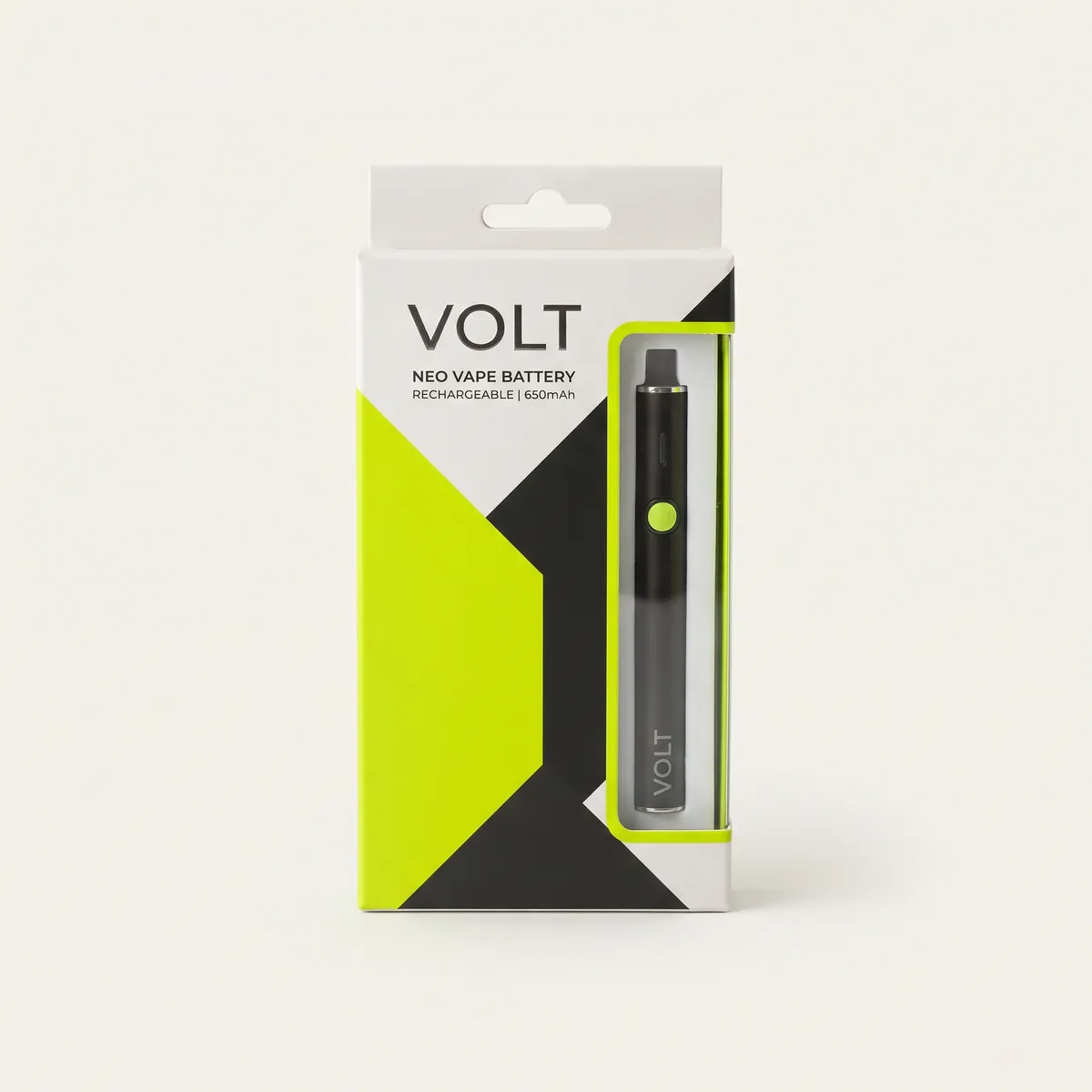
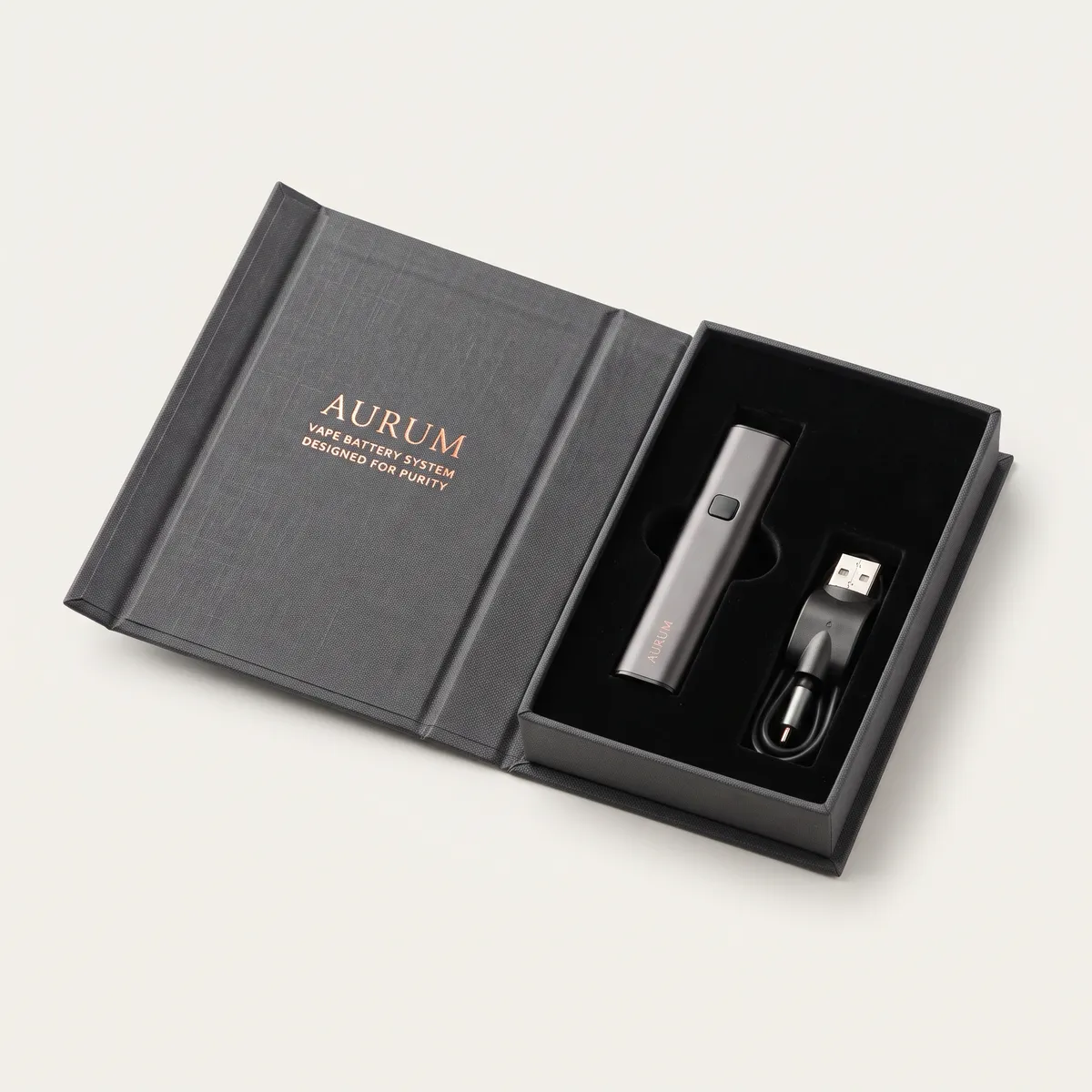
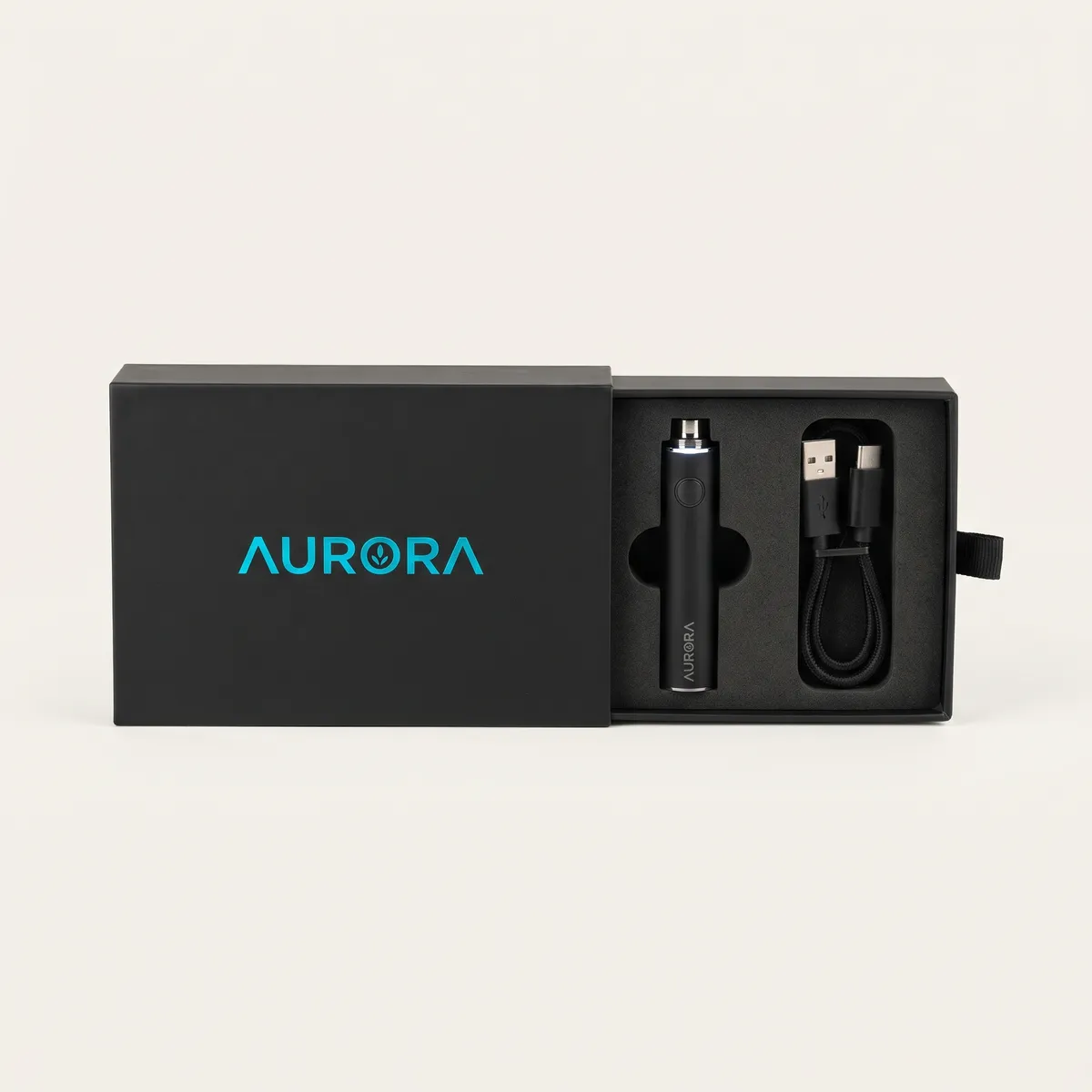
Vape battery boxes hold each cell in its own cavity, because loose batteries can contact each other, a genuine safety concern as well as a damage one. Kit boxes add a divided compartment so the charger doesn't scratch the battery wrap. Some markets have transport and labeling requirements for batteries; tell us where you sell and we'll flag the requirements we know about.
Ours are on Trustpilot, where we can't edit them or choose which ones you see.
Read them on Trustpilot →(opens in a new tab)Four stages, twelve days
Quote confirmed
A specialist checks your spec against the board and comes back with a firm price inside 4 business hours.
Proof approved
You get a flat dieline and a 3D render. Nothing goes to press until you approve it in writing.
On press
Print, die-cut, glue, and fold. You get a press-side photo the day your job runs.
QC and delivery
Every pallet is sampled against the digital proof or physical sample you approved, then shipped with tracking to your dock or 3PL.
If a box doesn't match the digital proof or physical sample you approved, we reprint the run at no charge.
Read the reprint terms →Know exactly what you're ordering.
Battery and Mod Packaging Built as a Holder First
Before it's a carton, a battery box is a holder. Its first job is keeping each cell exactly where it was placed, and branding comes second.
The buyers are vape hardware sellers: brands selling spare cells, mod makers, and kit sellers who pack a device, cells and a charger together. Each of those products is less forgiving of movement than a cart or a bottle, so the box is specified around the tray, and the outer carton is built to fit around that.
The order of work matters. Get the tray right and what's left is a print job. Get it wrong, and no finish on the outside makes up for cells that shift every time the box is picked up.
Cell Cavity, Tray and Outer Carton Specs
Most battery boxes pair a cavity tray in chipboard stiff enough to separate cells with a printed carton outer.
| Spec | Vape battery box |
|---|---|
| Tray stock | Chipboard, die-cut to the cell or mod |
| Outer | 18–24pt printed carton board |
| Cavities | One per cell, with terminals kept apart |
| Kit layout | Divided compartment for a charger |
| Tolerance | Around ±0.5mm |
Cells are cut to their diameter and length. Mods are cut to the full body, including anything that sticks out from it. Send the measurements for every item that goes in the box, and we build the tray and outer from them together, confirming internal and external dimensions in writing before cutting.
Why Vape Cells Ride in a Cavity Tray
A plain carton holds batteries in a pile. A cell-by-cell cavity tray holds them in a fixed pattern, and that spacing is the whole point. Cells that stay apart can't rub, roll or press against each other, however the box is turned.
The tray also gives a mod a fixed seat, so nothing presses on its controls in transit. Chipboard holds its shape when cut into narrow walls, which is what a row of cell cavities needs. Folded card dividers tend to lean once loaded.
Battery boxes are commonly made as a tray inside a carton for those reasons. A loose fit around the outer matters far less than the fit of each cavity, so the budget goes into the tray first and the carton second.
Printing Safety Wording Alongside the Brand
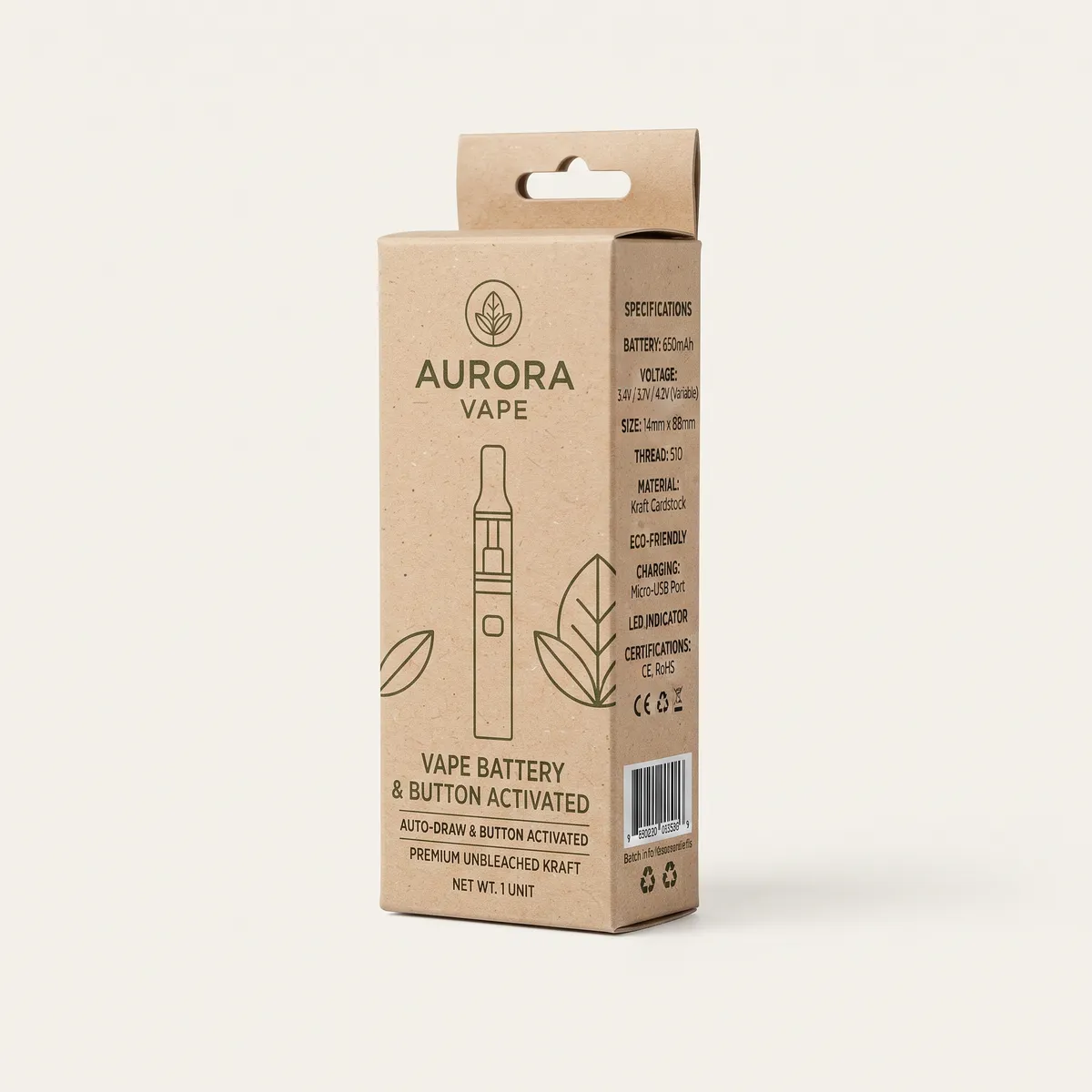
Battery boxes often carry handling and safety wording, and it needs its own flat panel rather than fitting around the logo. Give it a matte face with strong contrast and keep reflective finishes well away from it.
The front face carries the brand and the product details buyers check at the shelf, such as cell type and capacity, printed clearly enough to compare with a competitor's box. Full-color print, a foil logo and embossing on the lid face are all available. Keep fine detail off the panels that open, where repeated handling wears print first.
For kits, a printed tray map on the inside lid shows where each item sits, which also helps the box go back together after opening. The safety wording itself is supplied and confirmed by you.
Vape Battery Boxes for Spare Cells, Mods and Charger Kits
Spare cell packs are the simplest use: two or more cells in a fitted tray, sold as replacements. Mods get a single cavity cut to the body, often with a smaller compartment for accessories alongside.
Starter kits are where the tray earns most of its cost. A device, cells and a charger sit in separate compartments, so the charger never touches a cell and the device stays clear of both. Sellers who carry chargers and other hardware beyond vape will find the same separation logic in charger and device packaging, where loose components rub in exactly the same way.
Retail counters and online orders use the same build. The tray matters more on a shipped order, which gets handled far more roughly than a box lifted off a shelf.
Ordering Battery Boxes for More Than One Market
List your markets at the start. Some have rules for batteries in transport or on labels, and we'll point out the ones we're aware of so the panel layout leaves room for them. The final check on what applies stays with you.
Then send measurements for every item in the box. The tray and outer are proofed together, with unlimited free design help, before anything is cut. Quotes include shipping and every die and setup cost, with no extra lines later. Orders start at 100 boxes and take 8–12 business days from proof approval; rush costs extra and is quoted upfront. Above 10,000 boxes, samples are free. Every box passes a three-stage check, and a bulk run that doesn't match your approved proof is reprinted at our cost.
One connected process, start to finish.
Structural Design
Dieline drafted to your exact fit and freight tolerances.
Proof & Sample
Sign off on a digital proof, or request a physical sample.
Tooling
Dies and plates are cut for your job and archived on file.
Production
Print, die-cut, and assembly run under in-line quality checks.
Ship & Reorder
Freight goes out, and the cycle resets for your next run.
Steady process. Powerful results.
Like everything we build, our process is engineered to hold up — no shortcuts, no surprises. Five dependable stages that run the same way every single time, so reorders are just as fast as the first order.
- One dedicated teamFrom first sketch to final freight, the same people carry your order start to finish.
- Dies archived on fileReorders skip tooling and re-setup entirely — we already have your exact spec.
- Checked against your sign-offEvery run is inspected against the digital proof or physical sample you approved.
Set up your file once, correctly
Nine in ten delayed jobs are delayed by artwork, not production. Match these four rules and your proof lands the next morning.
- Bleed1/8 in (3 mm) past every cut line
- Safe ZoneKeep text 1/4 in clear of every crease
- ColourCMYK or named Pantone. No RGB.
- Resolution300 dpi at final size, fonts outlined
No print-ready file?
Send a logo and a rough idea. Our studio builds the production file free with any order over 500 units — you keep the source file either way.
Ask the StudioBackground art must run all the way to the outer bleed edge. Anything inside the white dashed line survives fold tolerance.





What brands say about this box
They live there rather than here, where we can't edit them, delete them, or pick which ones you get to see. That is exactly what makes them worth reading.
Read all reviews on Trustpilot(opens in a new tab)Answers before you have to ask.
How do battery boxes stop cells shifting?
With cut cavities that hold each cell separately. Loose batteries can contact each other, which is a genuine safety concern as well as a damage one. Cavities keep terminals apart in transit and on the shelf.
Can battery boxes hold a charger too?
Yes, with a divided insert. Kit boxes holding a cell and charger together are common, and separating them stops the charger scratching the battery wrap in transit.
Do battery boxes need special materials?
Not special, but specified carefully. Cavities need to separate cells, and for some markets there are transport and labeling requirements around batteries. Tell us your markets and we'll flag what applies.
How long do vape battery boxes take?
About 8–12 business days once the proof is approved. Rush production is available at a stated premium, with shipping included rather than added later.
Can battery boxes be reordered quickly?
Yes. With your dimensions and artwork on file, reorders need no new proof unless something changes, and most run in about 8–12 business days.