
Large Candy Boxes
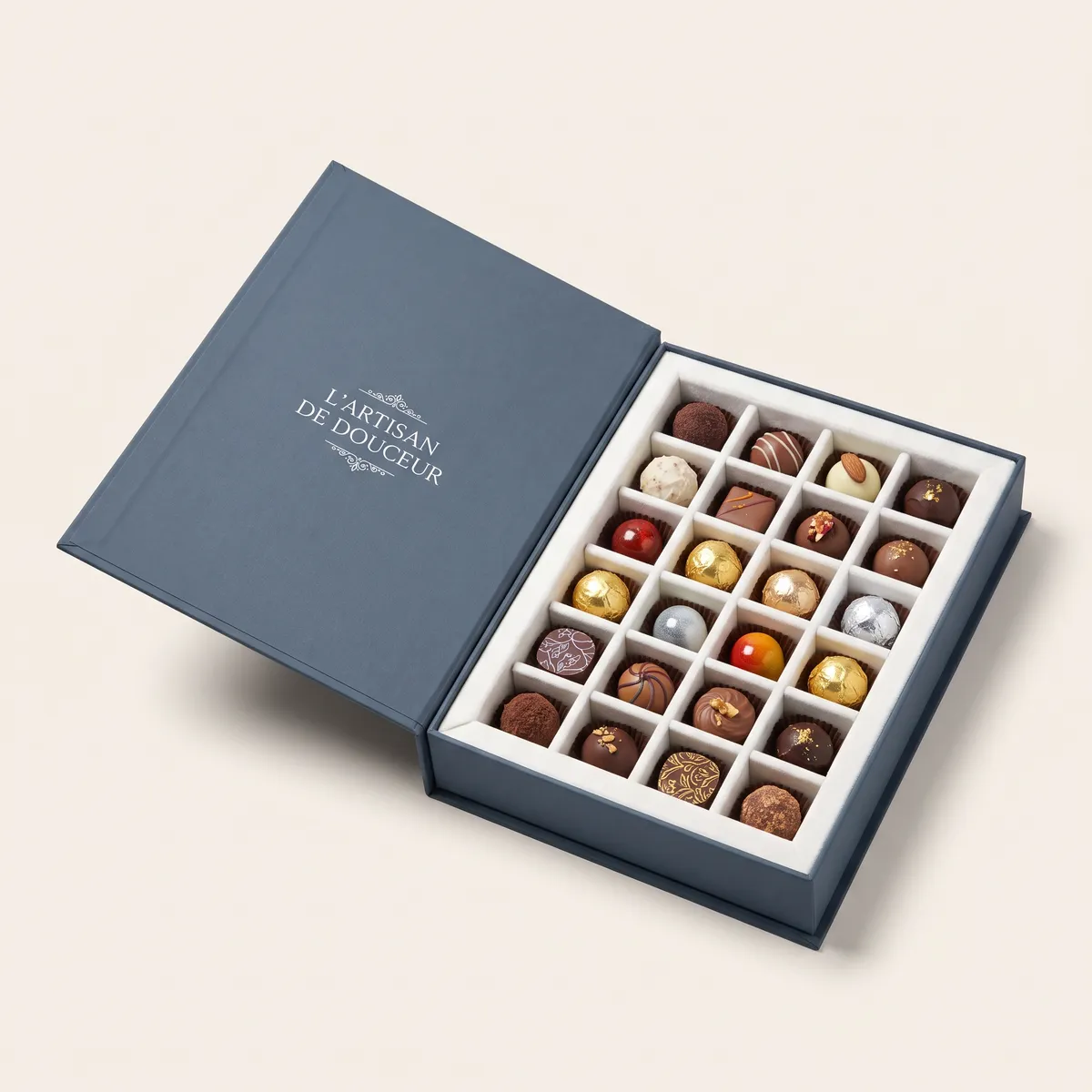
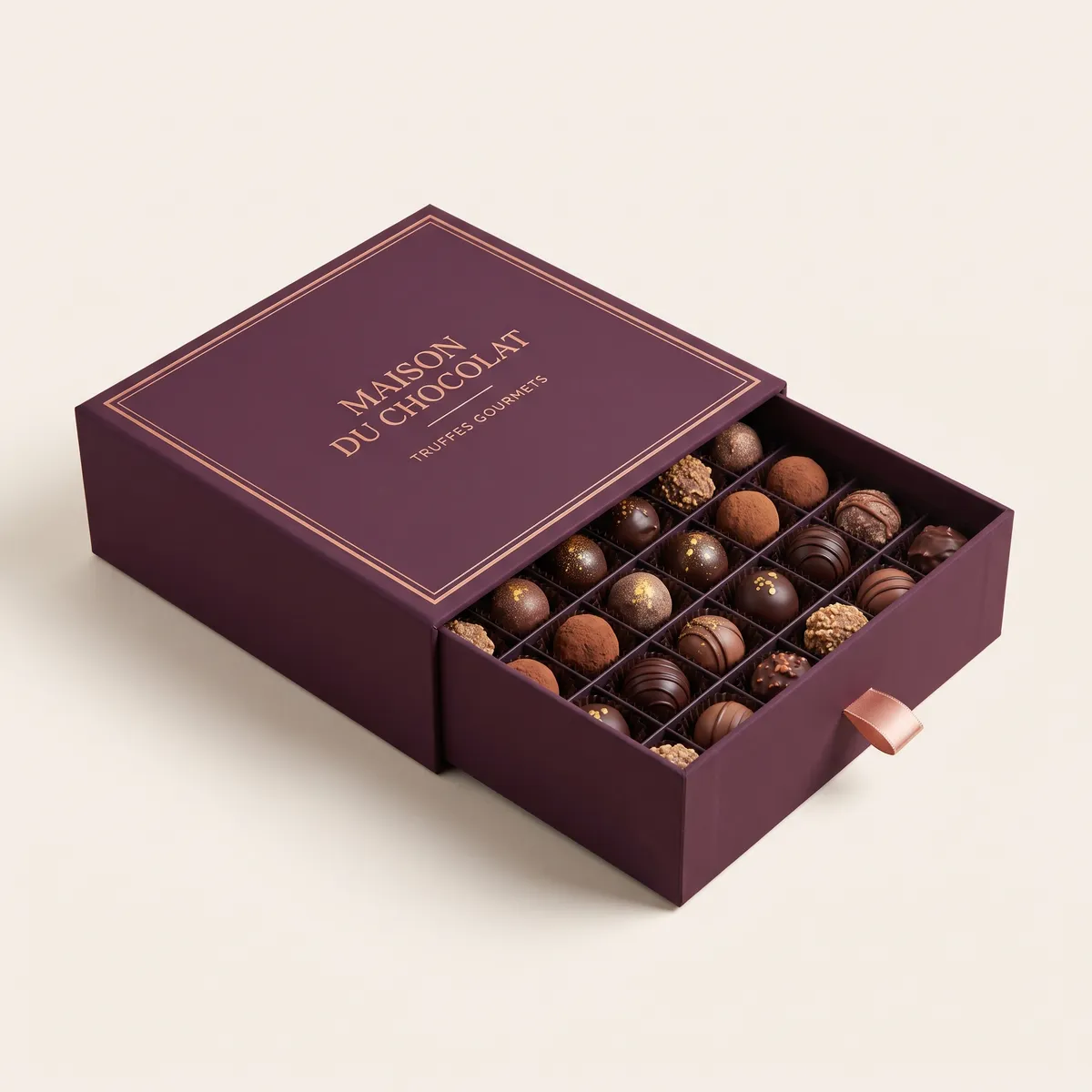
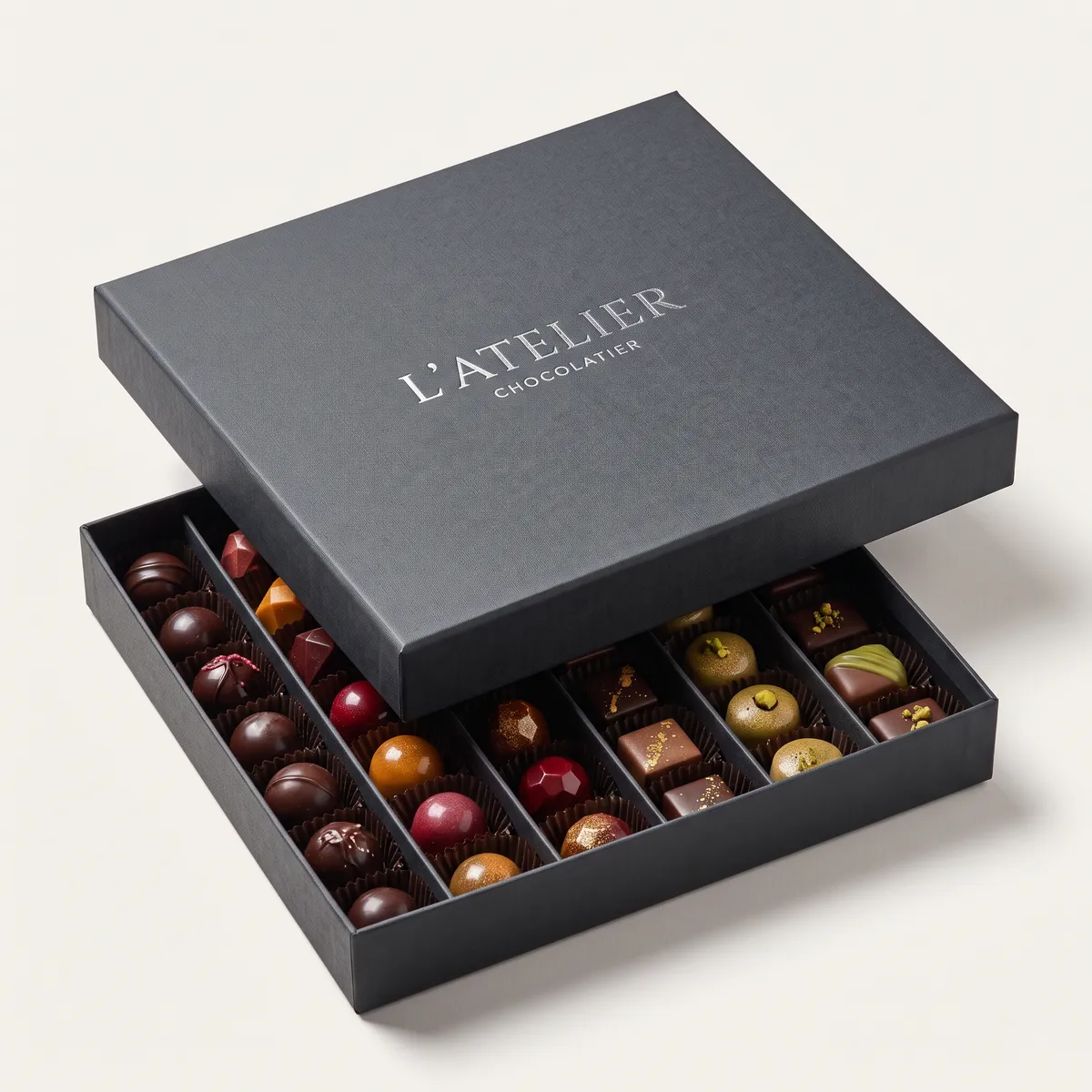
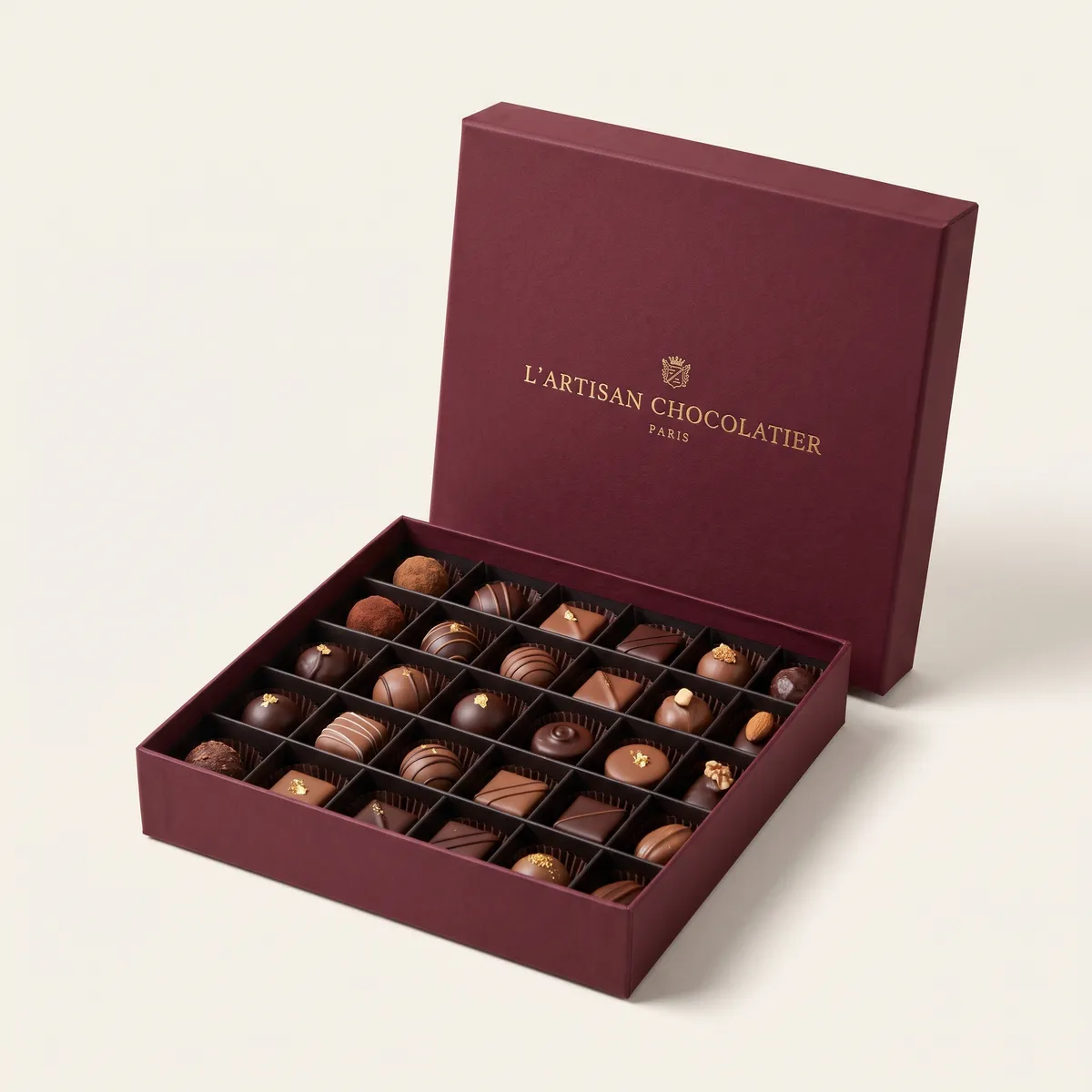
Large candy boxes hold bulk counts and sharing portions, and what fails first is the base, not the box. A tuck bottom gives way under weight, so larger volumes get a locking or auto-bottom base and a heavier caliper. Dividers stop contents settling into one corner during transit, which otherwise makes a box look half-empty. Large and small sizes can run together economically.
Ours are on Trustpilot, where we can't edit them or choose which ones you see.
Read them on Trustpilot →(opens in a new tab)Four stages, twelve days
Quote confirmed
A specialist checks your spec against the board and comes back with a firm price inside 4 business hours.
Proof approved
You get a flat dieline and a 3D render. Nothing goes to press until you approve it in writing.
On press
Print, die-cut, glue, and fold. You get a press-side photo the day your job runs.
QC and delivery
Every pallet is sampled against the digital proof or physical sample you approved, then shipped with tracking to your dock or 3PL.
If a box doesn't match the digital proof or physical sample you approved, we reprint the run at no charge.
Read the reprint terms →Know exactly what you're ordering.
Large Candy Boxes Specified by Filled Weight
A large candy box is sold by weight, not by piece count. A sharing box of chocolate-covered pretzels, two pounds of pick-and-mix, a family tub of toffees: the spec starts from how heavy the box is once it's full, because that is what the base and walls have to carry. Buyers are sweet shops selling pre-packed bulk mixes, brands with a sharing size for supermarkets, offices ordering candy for a break room, and gift companies building holiday hampers. The common thread is a box lifted with one hand underneath and carried across a room. A box that looks right empty can sag the first time it's filled, which is why the weight comes before the artwork.
Large Candy Box Caliper, Base Type and Dividers
Large boxes use heavier-caliper paperboard than small ones, since a wide panel flexes under a load that a small panel carries easily.
| Attribute | Large candy box |
|---|---|
| Board | Food-safe SBS, at the heavier end of 16–24pt |
| Base | Snap-lock or auto-bottom, not a tuck |
| Dividers | Optional, cut to the fill |
| Inks | Food-safe |
| Tolerance | Around ±0.5–1mm |
| Size | Built from your dimensions and fill weight |
Loose fills such as pick-and-mix put the whole load on the base. Wrapped pieces held on a divider spread some of it toward the walls, which is one reason dividers earn their place in bigger boxes.
Why a Snap-Lock Base Carries a Heavy Candy Fill
A tuck bottom holds by friction and a single flap. Fill it with two pounds of sweets, lift it by the sides, and that flap starts to push open. A locking bottom that won't drop open folds four flaps into each other, so the weight of the candy presses the base tighter rather than forcing it apart. That is why large candy boxes are usually built on a snap-lock. It folds by hand in a few seconds, needs no tape or glue, and ships flat like any other carton. An auto-bottom does the same job and sets up faster on a busy packing line. For small boxes either one is more than the load needs, but at sharing size the base is where the money should go.
Printing Big Panels on a Sharing-Size Candy Box
A large box gives you more printable area than any other candy format, and it's easy to waste. Front panel: a sharing box is often seen from across an aisle, so the brand and product name should read at that distance; small detail gets lost. Side panels face outward when the box is shelved sideways, so repeat the name there. Back panel carries ingredients and weight. Full color suits big panels on coated board and makes a large box look generous rather than empty. Foil on a box this size gets expensive quickly and adds little when it's seen at arm's length. Put the money into large, clear type and a strong front image instead.
Large Candy Boxes for Pick-and-Mix, Office Sharing and Holiday Hampers
Sweet shops sell pre-packed pick-and-mix in them, so a customer can grab a ready box instead of waiting at the scoops. Brands with a family or sharing size use them on supermarket shelves, next to the smaller single-serve version. Office managers order them filled for break rooms and team events. Gift companies use them as the centerpiece of holiday hampers and family gift boxes, where one large box of candy sits among smaller items. Schools and clubs selling candy for fundraising order them in bulk ahead of the season. Seasonal demand is sharp for all of these buyers, so the box is often reordered in one large batch before the holidays rather than in small top-ups.
Free Samples and Setup on a Bulk Candy Order
Large candy boxes tend to be ordered in quantity, and that changes a few things. Above 10,000 boxes, samples are free, so you can load a real box with a real fill and carry it around before signing off on the full run. Dies, plates and setup are part of the quote, and nothing is added once the order is confirmed. Most orders are ready 8–12 business days after proof approval, with rush available at an extra cost we state upfront. Shipping is included, which matters more than usual on a bulky order. A bulk run that doesn't match the approved proof is reprinted at our cost, and every box passes a three-stage check before it leaves, so a weak base is spotted on our side.
One connected process, start to finish.
Structural Design
Dieline drafted to your exact fit and freight tolerances.
Proof & Sample
Sign off on a digital proof, or request a physical sample.
Tooling
Dies and plates are cut for your job and archived on file.
Production
Print, die-cut, and assembly run under in-line quality checks.
Ship & Reorder
Freight goes out, and the cycle resets for your next run.
Steady process. Powerful results.
Like everything we build, our process is engineered to hold up — no shortcuts, no surprises. Five dependable stages that run the same way every single time, so reorders are just as fast as the first order.
- One dedicated teamFrom first sketch to final freight, the same people carry your order start to finish.
- Dies archived on fileReorders skip tooling and re-setup entirely — we already have your exact spec.
- Checked against your sign-offEvery run is inspected against the digital proof or physical sample you approved.
Set up your file once, correctly
Nine in ten delayed jobs are delayed by artwork, not production. Match these four rules and your proof lands the next morning.
- Bleed1/8 in (3 mm) past every cut line
- Safe ZoneKeep text 1/4 in clear of every crease
- ColourCMYK or named Pantone. No RGB.
- Resolution300 dpi at final size, fonts outlined
No print-ready file?
Send a logo and a rough idea. Our studio builds the production file free with any order over 500 units — you keep the source file either way.
Ask the StudioBackground art must run all the way to the outer bleed edge. Anything inside the white dashed line survives fold tolerance.
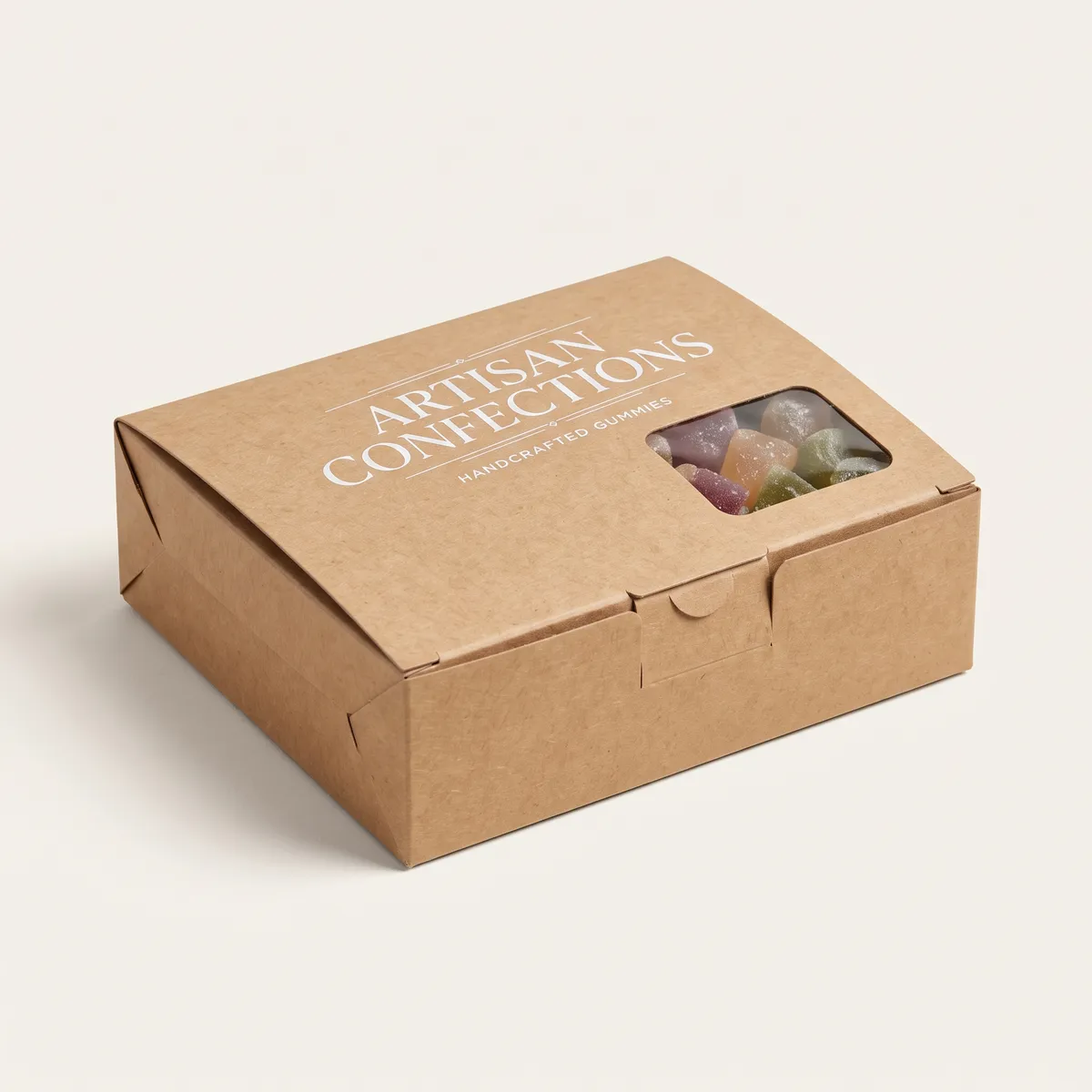
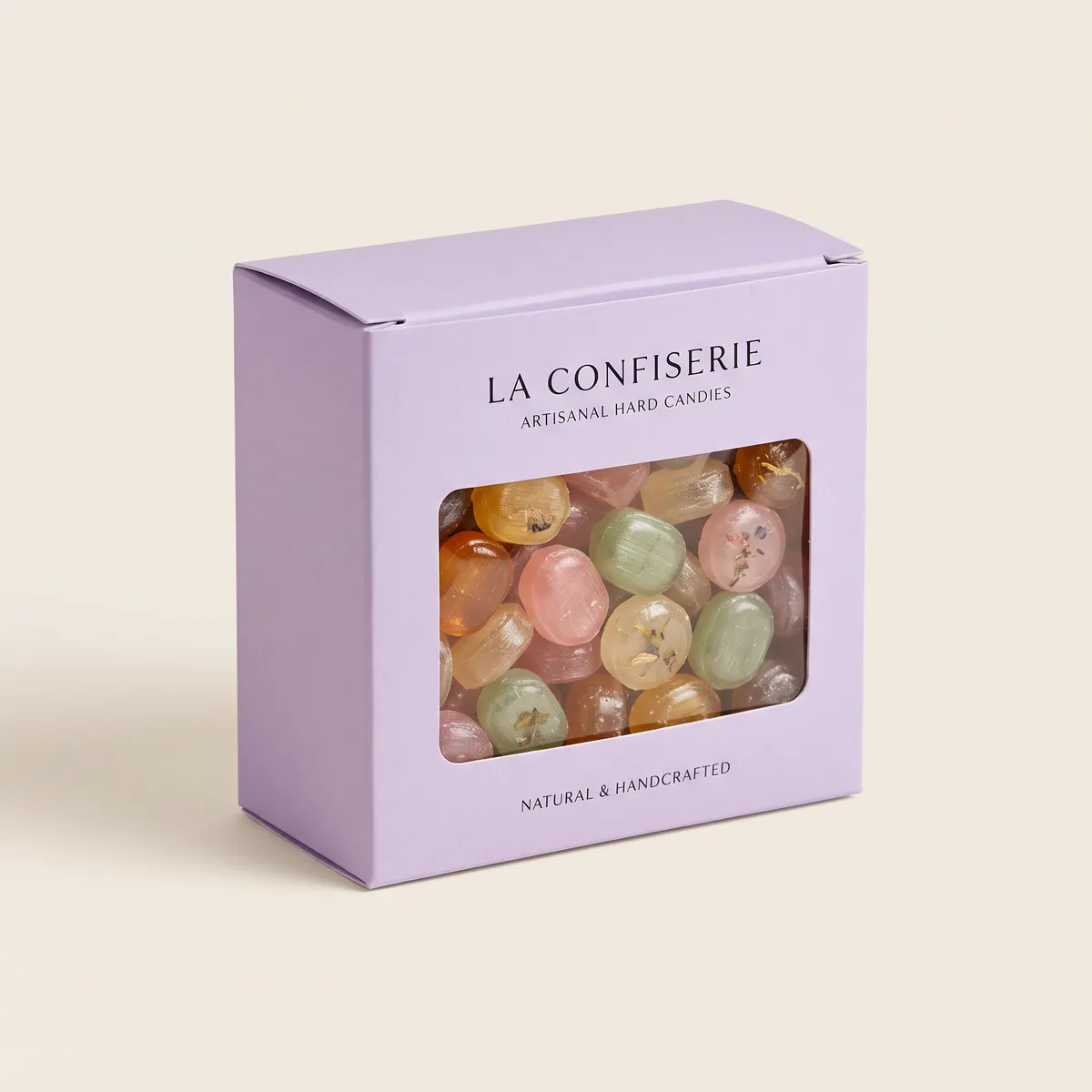
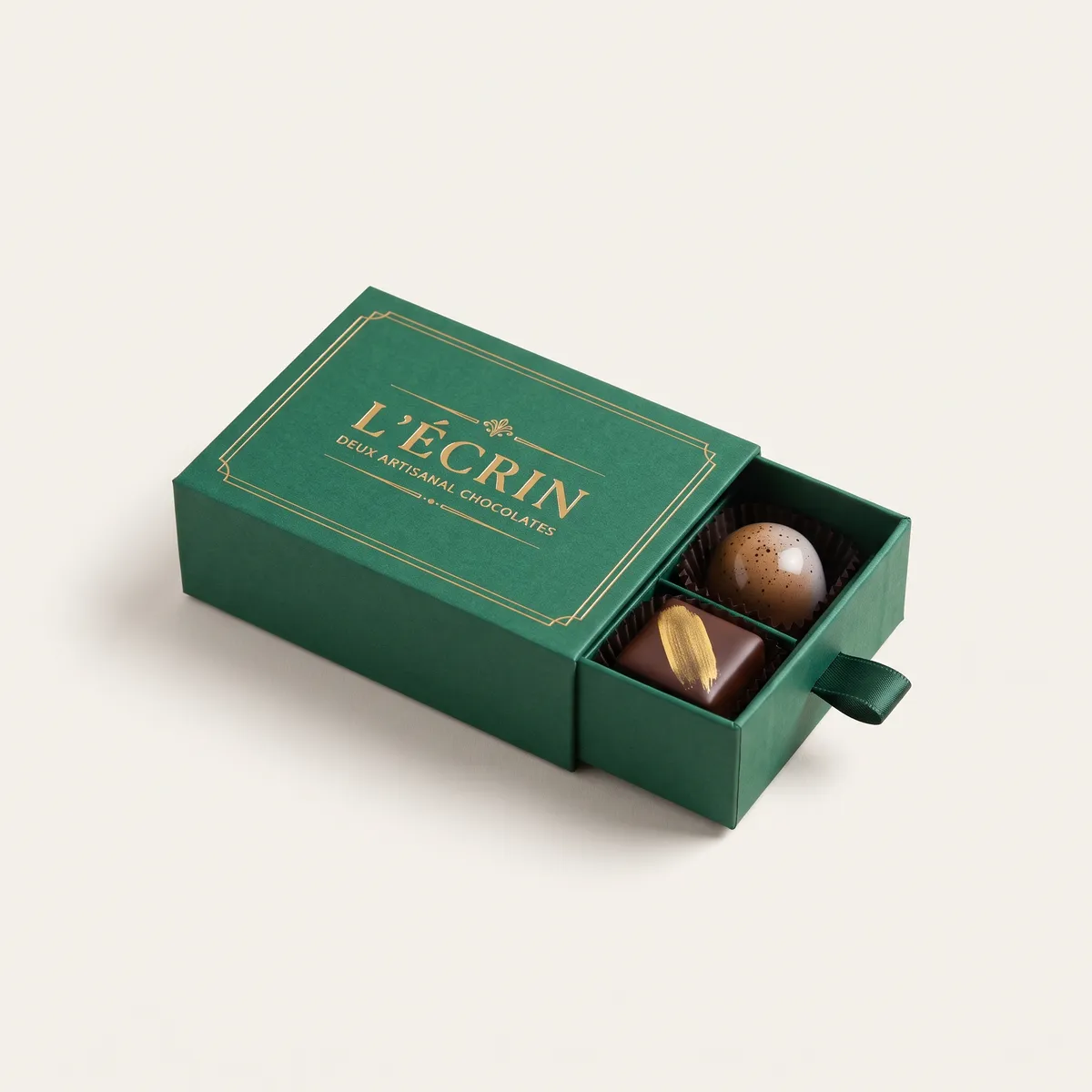
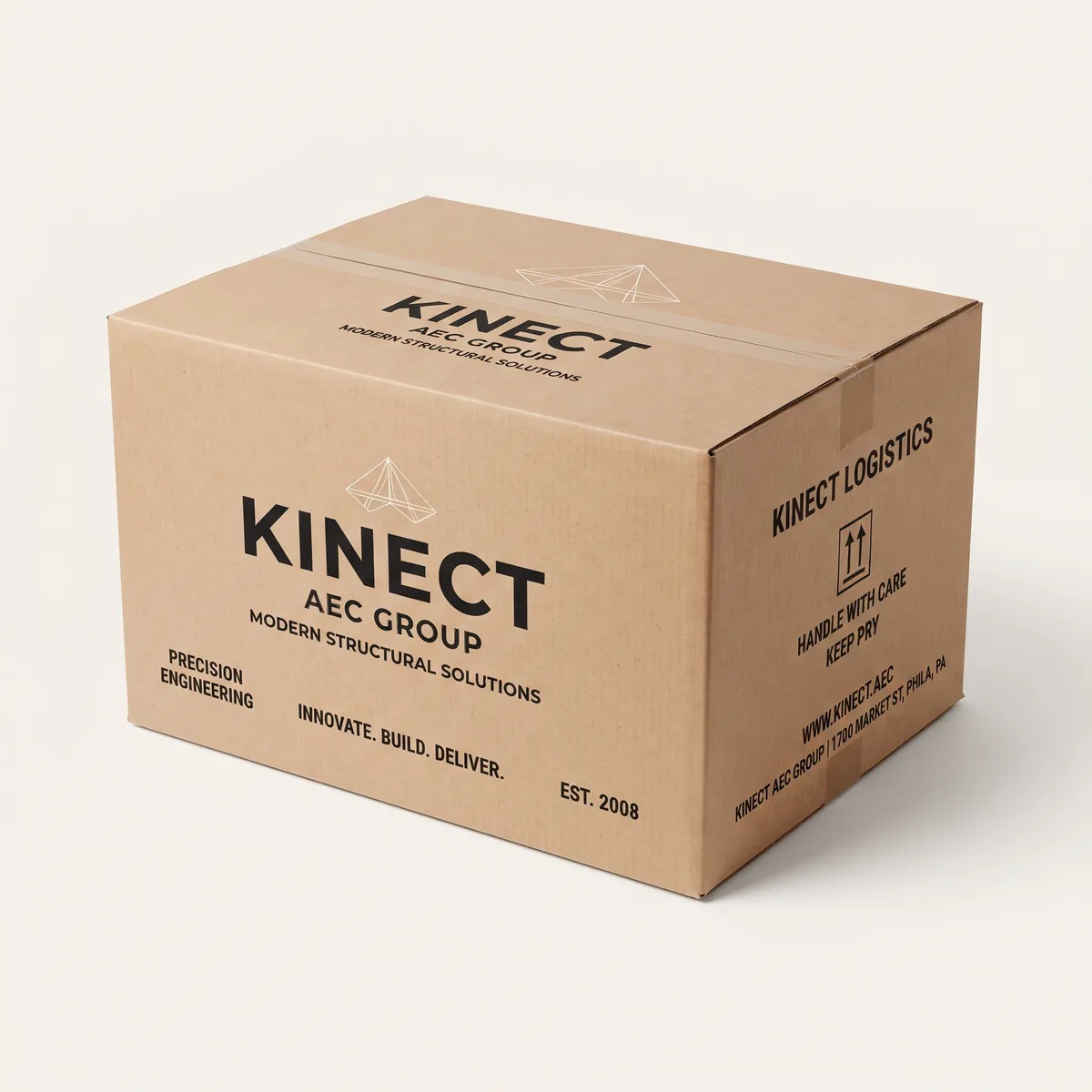
What brands say about this box
They live there rather than here, where we can't edit them, delete them, or pick which ones you get to see. That is exactly what makes them worth reading.
Read all reviews on Trustpilot(opens in a new tab)Answers before you have to ask.
How much can a large candy box hold before the base gives?
That depends on the base rather than the box size. A tuck base gives way under weight, so at larger volumes we'd specify a locking or auto-bottom base. Tell us the filled weight and we'll spec to it.
Can large candy boxes have dividers?
Yes, and at larger volumes they matter more. Dividers stop the contents settling into one corner during transit, which is what makes a large box look half-empty when opened.
Do large boxes need a heavier board?
Often, yes. A wider base has more unsupported span, so board that holds at small size flexes when scaled up. We'd typically specify a heavier caliper or a locking base rather than enlarging the same dieline.
How long do large candy boxes take?
About 8–12 business days once the proof is approved, dividers included. Rush is available at an extra cost we'll state upfront, with shipping included on every order.
Can I order large boxes alongside smaller ones?
Yes, and running them together shares setup. Most confectioners need two or three sizes across a range, and matching print across them keeps the collection looking coherent.