
White Toy Boxes
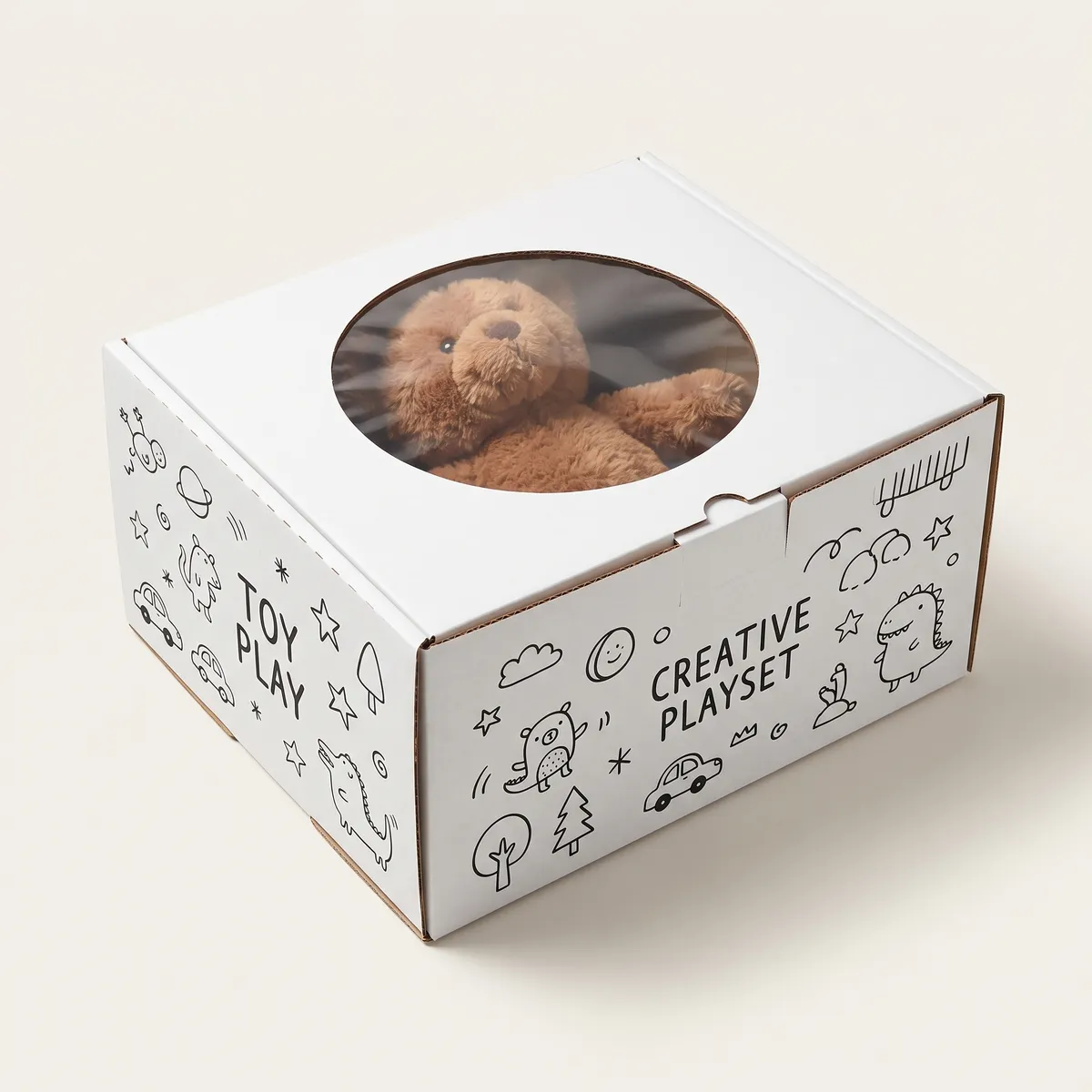
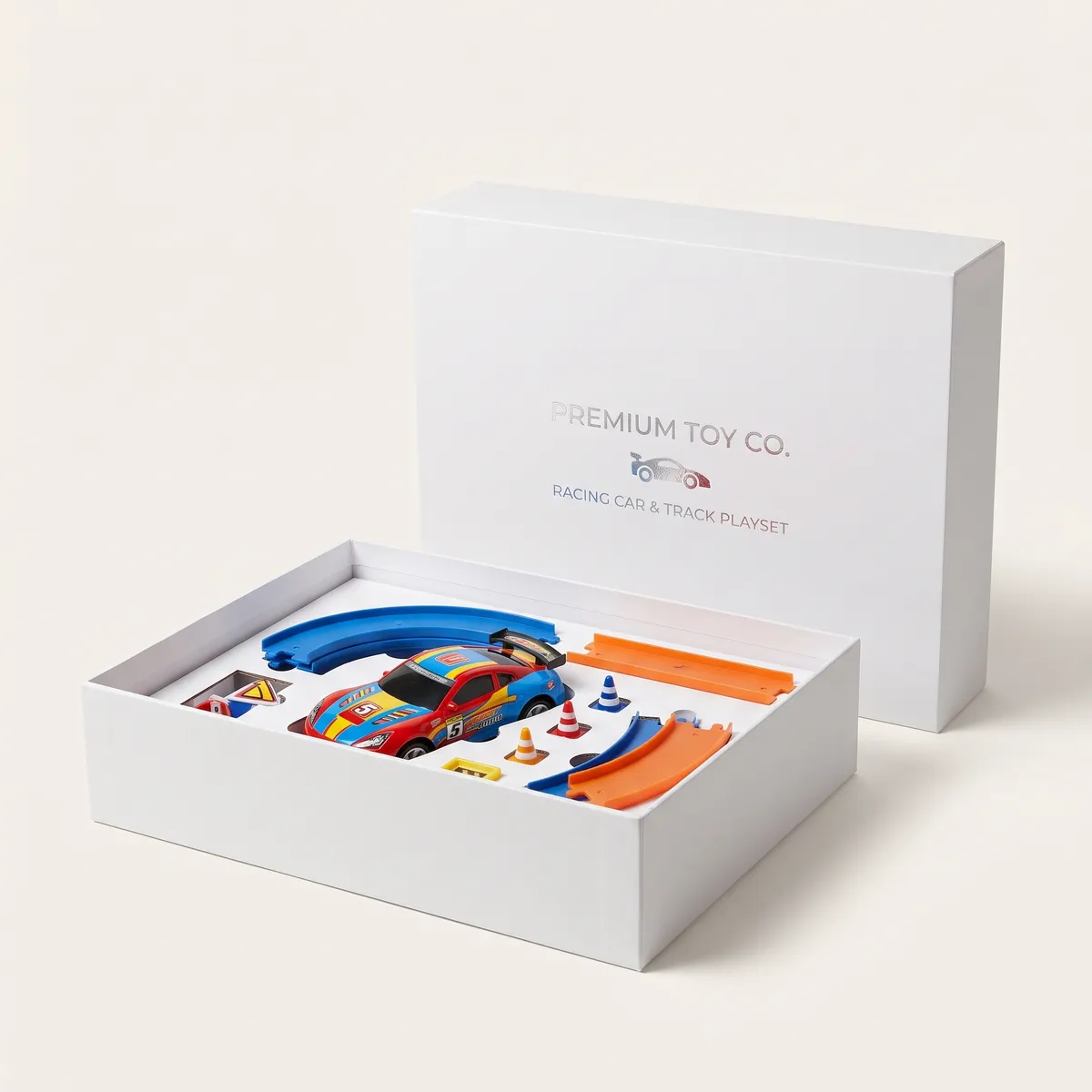
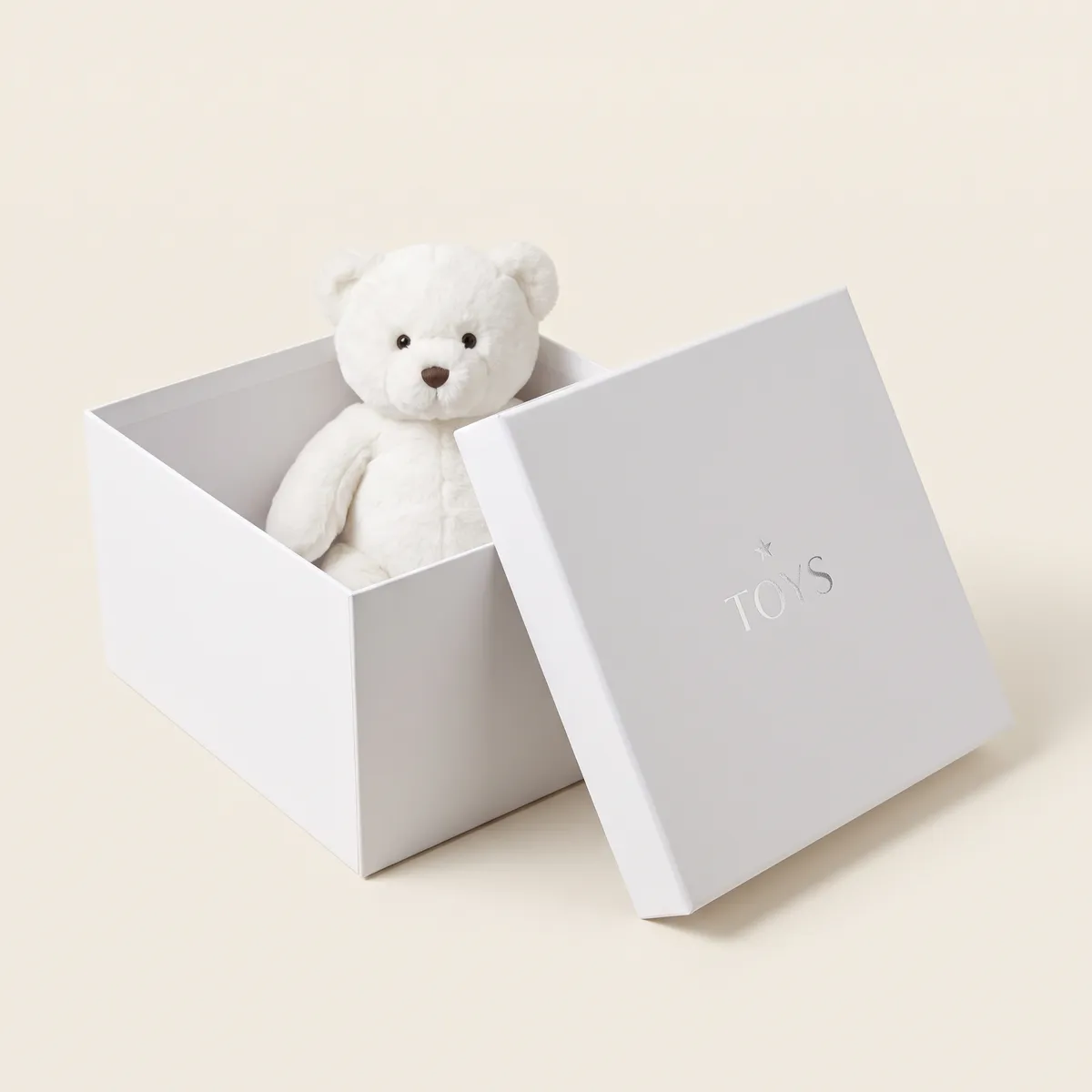
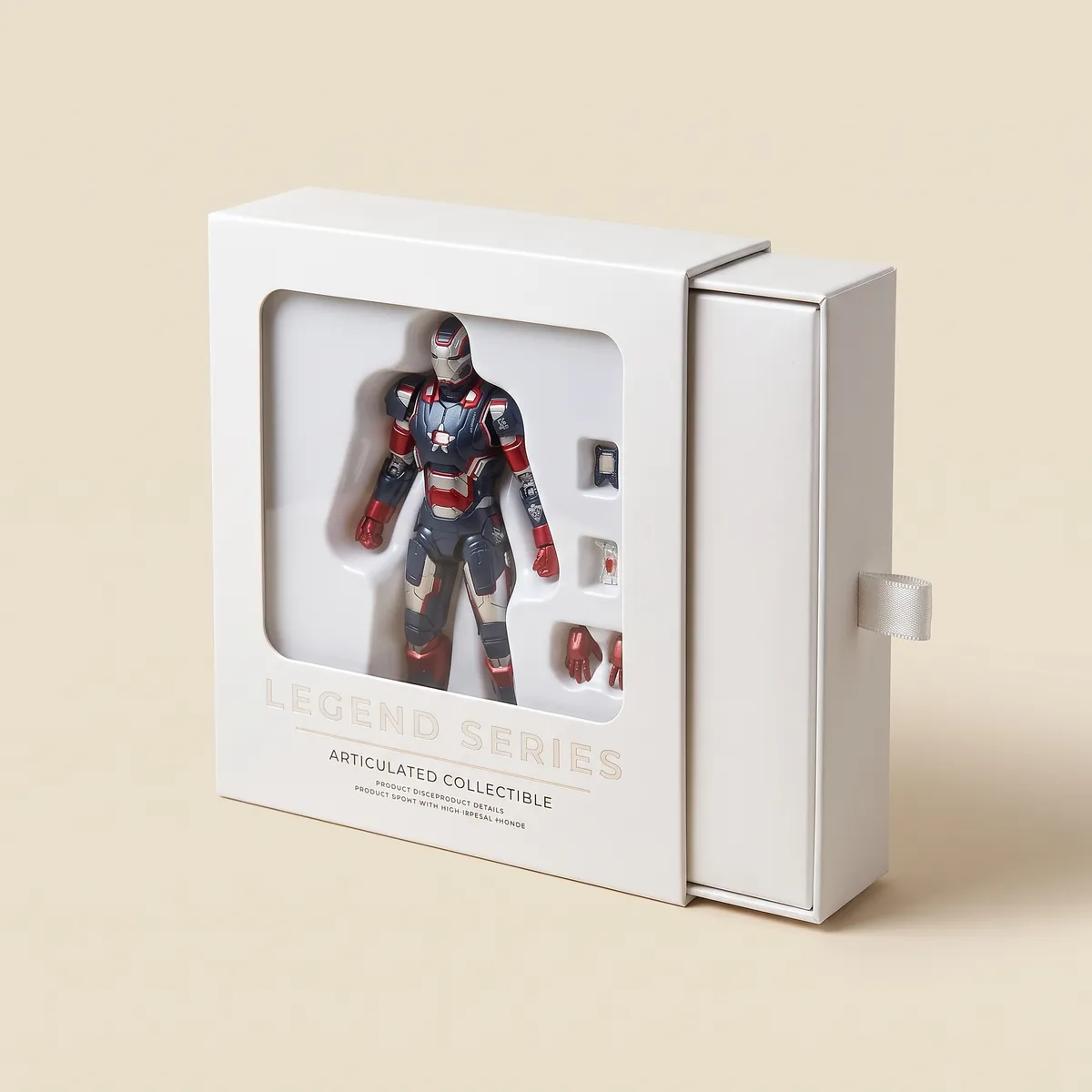
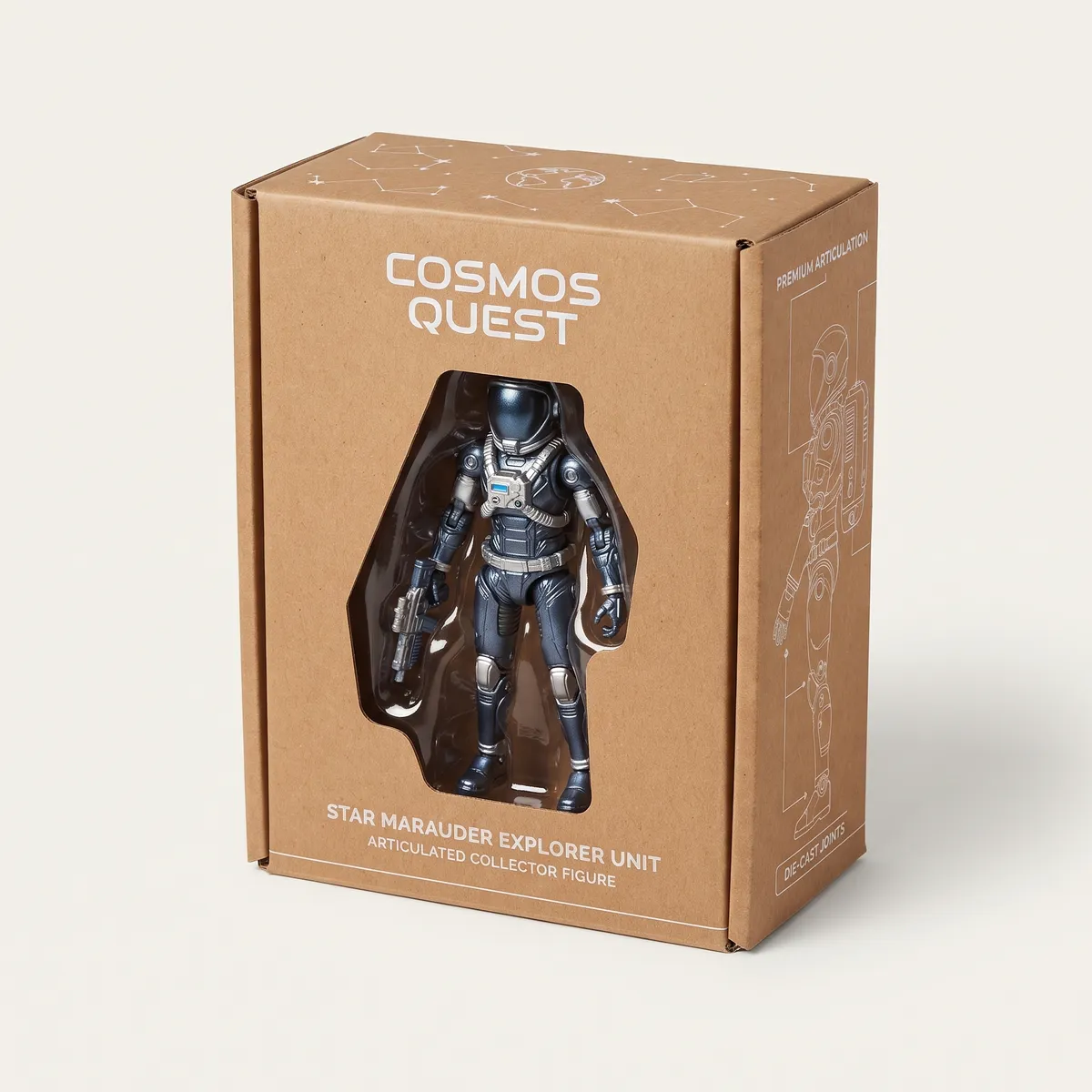
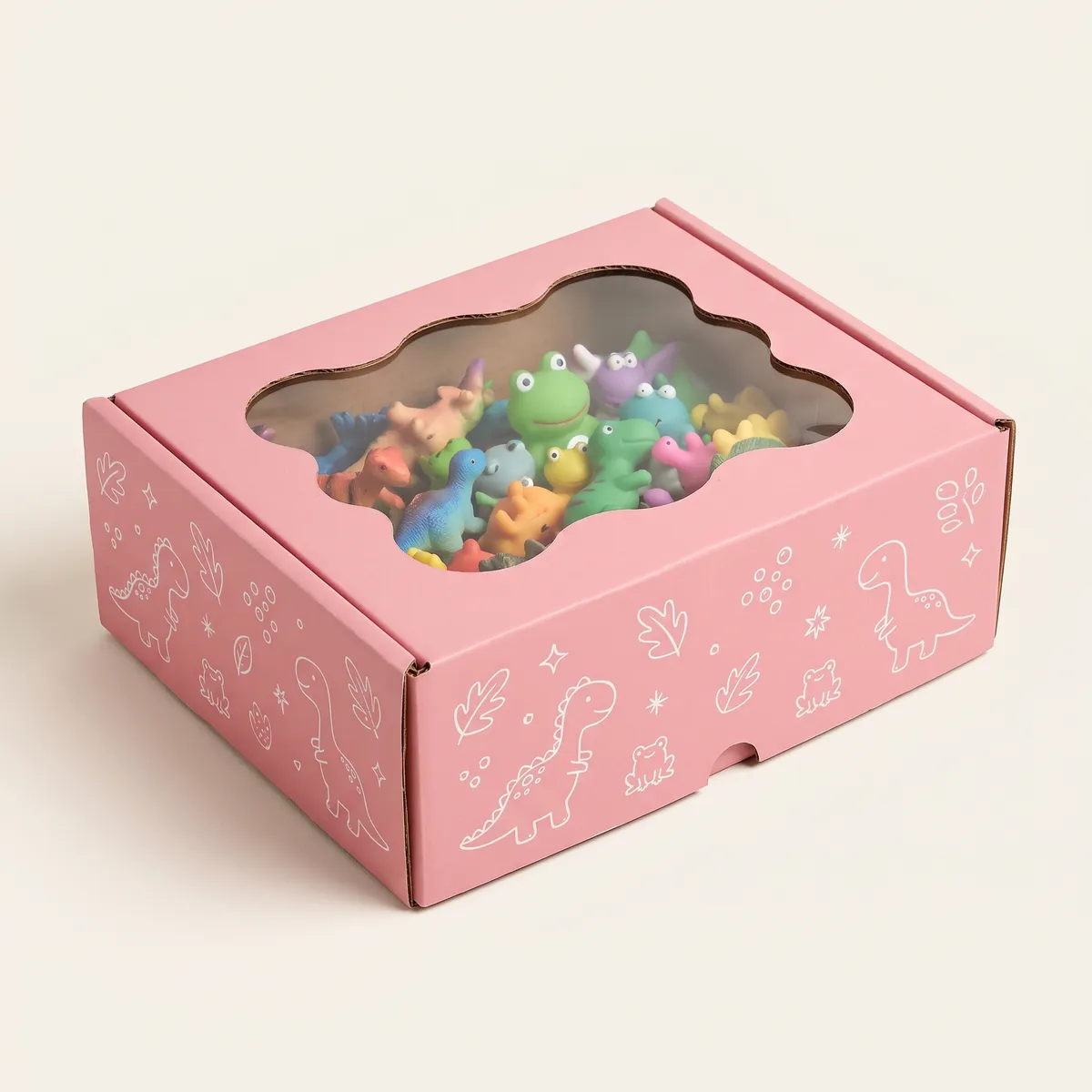
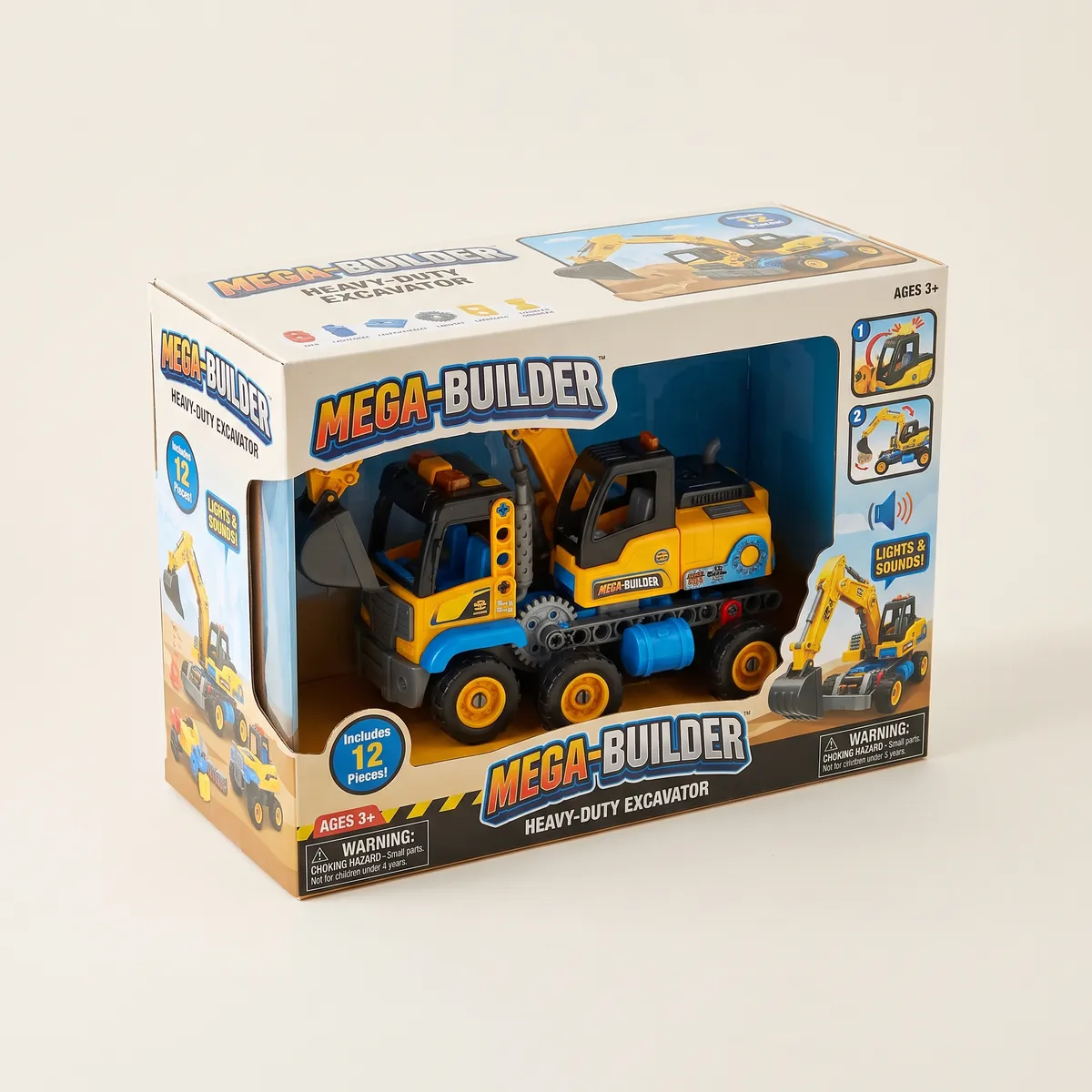
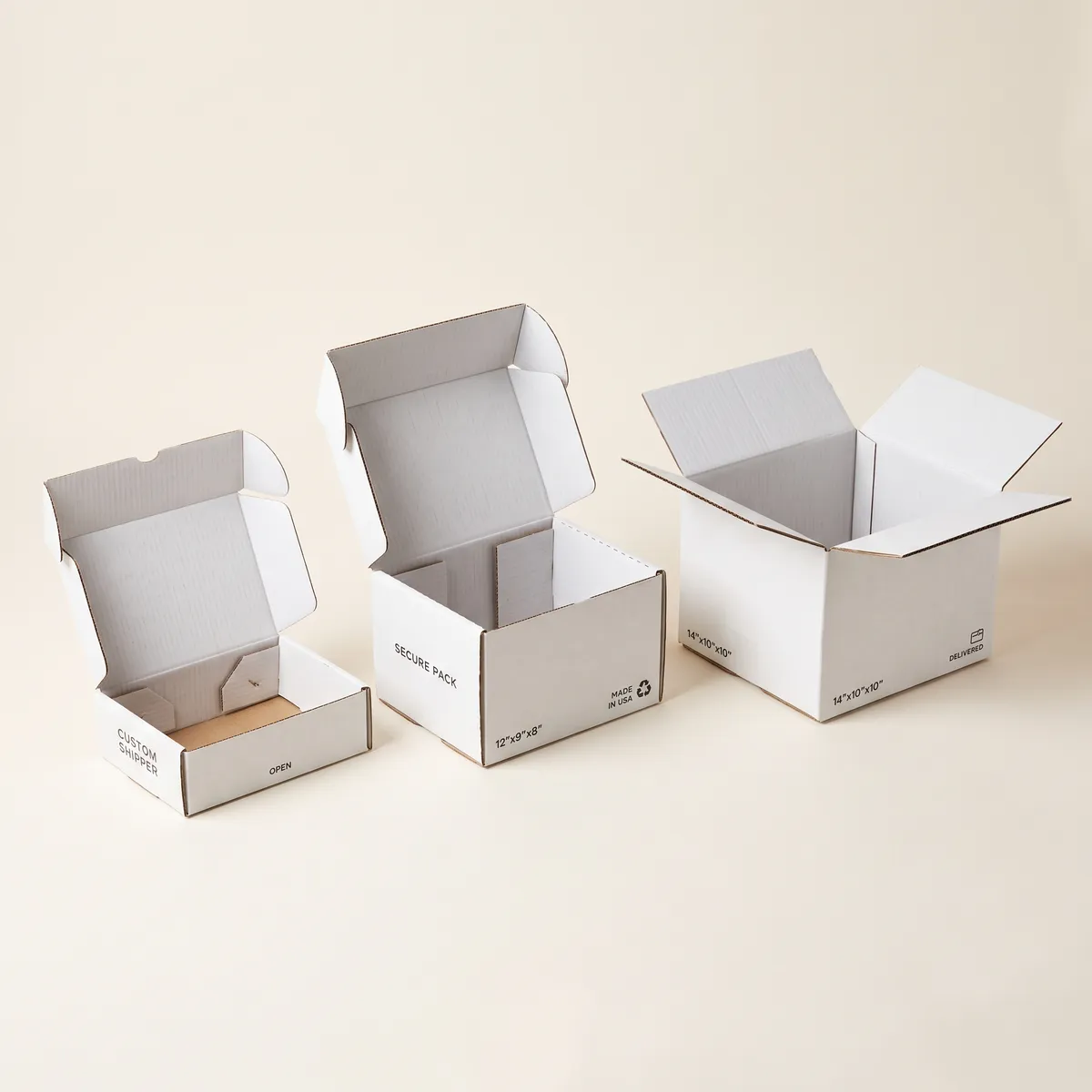
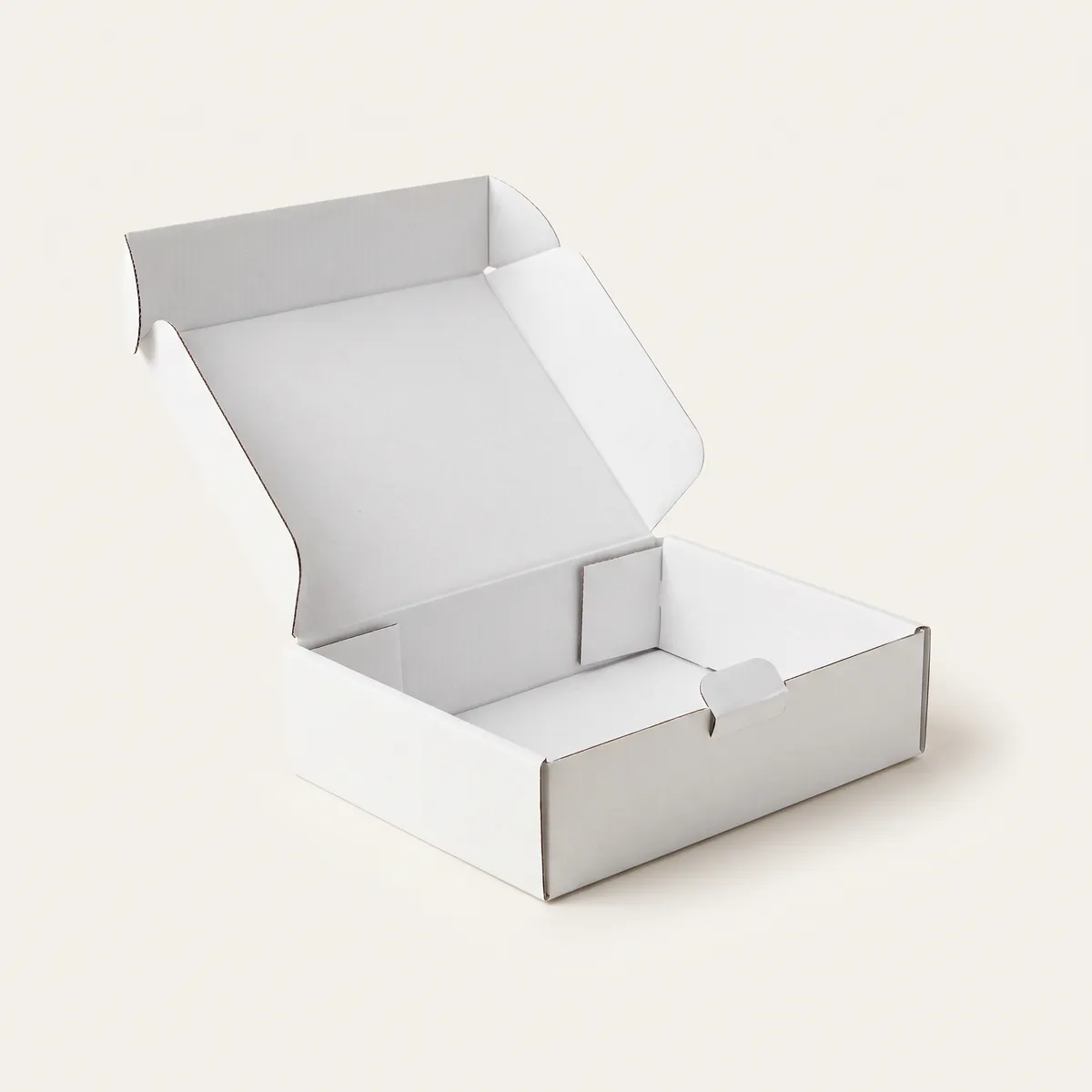
White toy boxes give bright artwork a coated surface that holds ink on top instead of absorbing it, so colors stay saturated where kraft and recycled boards would mute them. Gloss suits mass-market children's toys; matte reads more premium for collector and hobby ranges. Most toy ranges need several sizes, sharing one consistent design language to read as a collection.
Ours are on Trustpilot, where we can't edit them or choose which ones you see.
Read them on Trustpilot →(opens in a new tab)Four stages, twelve days
Quote confirmed
A specialist checks your spec against the board and comes back with a firm price inside 4 business hours.
Proof approved
You get a flat dieline and a 3D render. Nothing goes to press until you approve it in writing.
On press
Print, die-cut, glue, and fold. You get a press-side photo the day your job runs.
QC and delivery
Every pallet is sampled against the digital proof or physical sample you approved, then shipped with tracking to your dock or 3PL.
If a box doesn't match the digital proof or physical sample you approved, we reprint the run at no charge.
Read the reprint terms →Know exactly what you're ordering.
White Toy Boxes as the Ground Under Bright Artwork
White is the one toy box color that is mostly not ink. Every red, yellow and blue on the panel sits on top of it, and any area left unprinted reads as the box's own clean white rather than a missing color. That makes white toy boxes the default for brands whose artwork carries the whole sale: character illustration, photography of the toy in use and bold type that has to read from across an aisle. They suit learning toys, baby and toddler ranges and collector products, where a calm, bright box signals care. The buyer is usually a brand with strong artwork already, looking for a stock that shows it exactly as designed.
Coated White Board, Caliper and Window Specs
| Attribute | White toy box |
|---|---|
| Board | SBS 18–24pt, coated white face |
| Finish | Gloss or matte lamination, optional |
| Window | Die-cut, film-backed |
| Tolerance | ±1/16" (1.5mm) |
| Sizes | Cut to each product in the range |
The board is solid bleached sulfate, bleached through rather than only on the surface, so a cut edge or a scuffed corner stays white instead of showing a darker core. That matters more on a white box than any other, because a dark edge stands out against the face. We specify white carton board that keeps ink on the surface in the 18–24pt band, moving toward 24pt for boxed sets and heavier toys. A clear film behind the window lets the toy show while the face stays closed.
Why White Board Beats a Printed Background
A brand could print a white background onto kraft or a gray-backed board, but that white is ink, and ink on a darker stock never quite reaches the brightness of white board itself. Every other color then shifts slightly duller to match. Starting on white means you pay for brightness once, in the board, and the artwork stays accurate on every panel. Most white toy boxes are a flat-shipped tuck carton in white board, which keeps the unit cost down across a range of sizes and stores flat until packing day. Where white is the wrong call: rough, bin-stored toys, since a white box shows grime and handling sooner than a dark one.
Gloss, Matte and Leaving White Unprinted
On a white box, the cheapest design decision is often what not to print. Leaving panels white uses less ink, keeps the look clean and pulls the eye toward the parts that are printed. The finish then sets the tone. Gloss lamination deepens colors and wipes clean; matte softens the surface and cuts glare under store lighting. Either one protects the white from fingerprints, which show more on white than on any other color. Spot UV can lift a logo off a matte face for a small extra cost. Foil is rarely worth it on children's lines, where the shelf is too busy for it to register, and that money does more as a window.
White Toy Boxes for Learning Toys, Baby Ranges and Collector Lines
Educational toy brands use white because it frames letters, numbers and diagrams without competing with them. Baby and toddler ranges choose it for the soft, hygienic look parents expect on products that go near a crib or a highchair. Hobby and collector lines use white with minimal print so a single strong image carries the panel. Subscription toy boxes and seasonal gift editions make a fourth group, often changing artwork each run while keeping the same white base. The thinking is close to how white-boxed skincare and beauty brands work: the board is part of the look, and every printed element is chosen against it rather than layered over a background.
Proofing Bright Color on a White Toy Box
Send product dimensions and artwork, or just a brief, since design help is unlimited and free on every order. We build the dieline, lay your art onto it and send a proof showing exactly where each panel, fold and window falls. On white, a color that drifts is easy to spot, so each run is checked at three stages before the boxes leave us, and a shade going off is caught by us rather than found on your shelf. Production takes 8–12 business days after approval. The minimum is 100 boxes, shipping is part of the price, and if the finished run doesn't match the proof, we reprint at our cost. Rush carries an added charge, quoted first.
One connected process, start to finish.
Structural Design
Dieline drafted to your exact fit and freight tolerances.
Proof & Sample
Sign off on a digital proof, or request a physical sample.
Tooling
Dies and plates are cut for your job and archived on file.
Production
Print, die-cut, and assembly run under in-line quality checks.
Ship & Reorder
Freight goes out, and the cycle resets for your next run.
Steady process. Powerful results.
Like everything we build, our process is engineered to hold up — no shortcuts, no surprises. Five dependable stages that run the same way every single time, so reorders are just as fast as the first order.
- One dedicated teamFrom first sketch to final freight, the same people carry your order start to finish.
- Dies archived on fileReorders skip tooling and re-setup entirely — we already have your exact spec.
- Checked against your sign-offEvery run is inspected against the digital proof or physical sample you approved.
Set up your file once, correctly
Nine in ten delayed jobs are delayed by artwork, not production. Match these four rules and your proof lands the next morning.
- Bleed1/8 in (3 mm) past every cut line
- Safe ZoneKeep text 1/4 in clear of every crease
- ColourCMYK or named Pantone. No RGB.
- Resolution300 dpi at final size, fonts outlined
No print-ready file?
Send a logo and a rough idea. Our studio builds the production file free with any order over 500 units — you keep the source file either way.
Ask the StudioBackground art must run all the way to the outer bleed edge. Anything inside the white dashed line survives fold tolerance.
What brands say about this box
They live there rather than here, where we can't edit them, delete them, or pick which ones you get to see. That is exactly what makes them worth reading.
Read all reviews on Trustpilot(opens in a new tab)Answers before you have to ask.
Does white board really make colors brighter?
Yes, noticeably. A coated white surface holds ink on top rather than absorbing it, so colors stay saturated. Kraft and recycled boards mute exactly the vivid tones toy packaging depends on.
Can white toy boxes have a matte finish?
Yes. Matte reads more premium and suits collector and hobby ranges. Gloss suits mass-market children's toys where bright, shiny packaging is part of the appeal.
Is white the best base for toy artwork?
Yes, for vivid artwork. It holds ink on the surface so colors stay saturated, which is exactly what this category needs. Recycled and kraft boards mute the brightness considerably.
What's the turnaround on white toy boxes?
About 8–12 business days once the proof is approved, including lamination if specified. Rush production is available at an extra cost quoted upfront.
Can I order white boxes in several sizes?
Yes, and most toy ranges need several. Running them together shares setup, and keeping one design language across sizes makes the range read as a collection.