
Perfume Tester Boxes
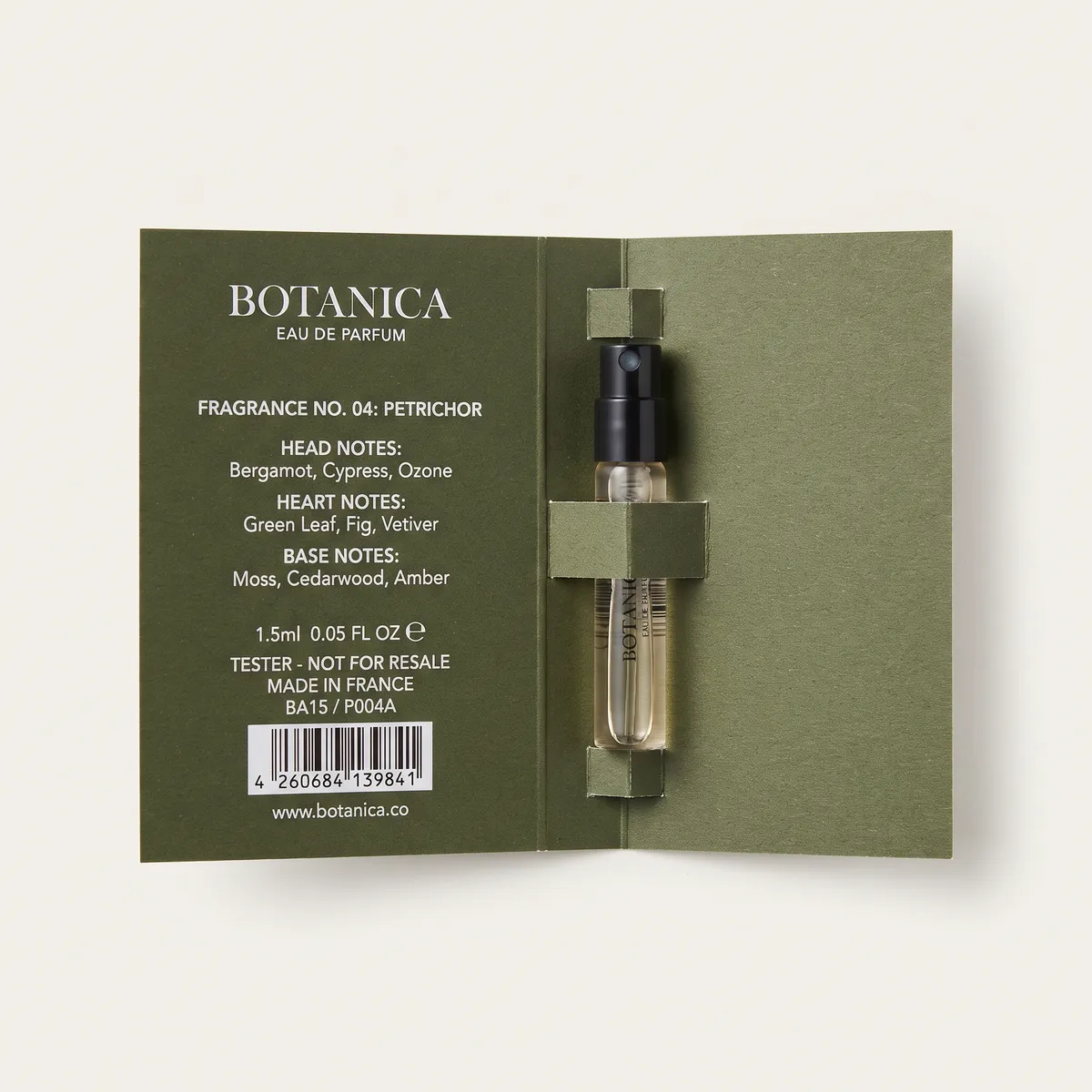
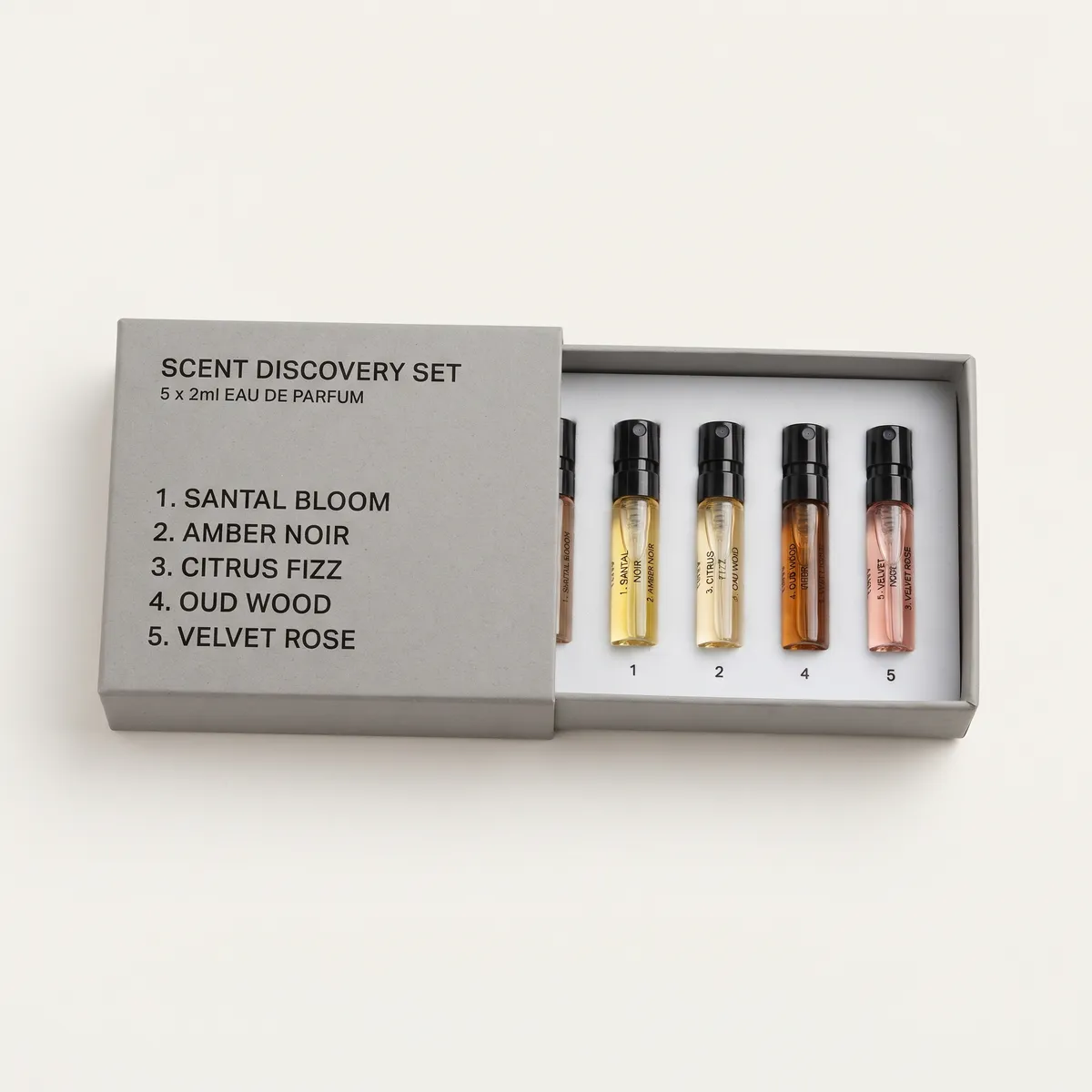
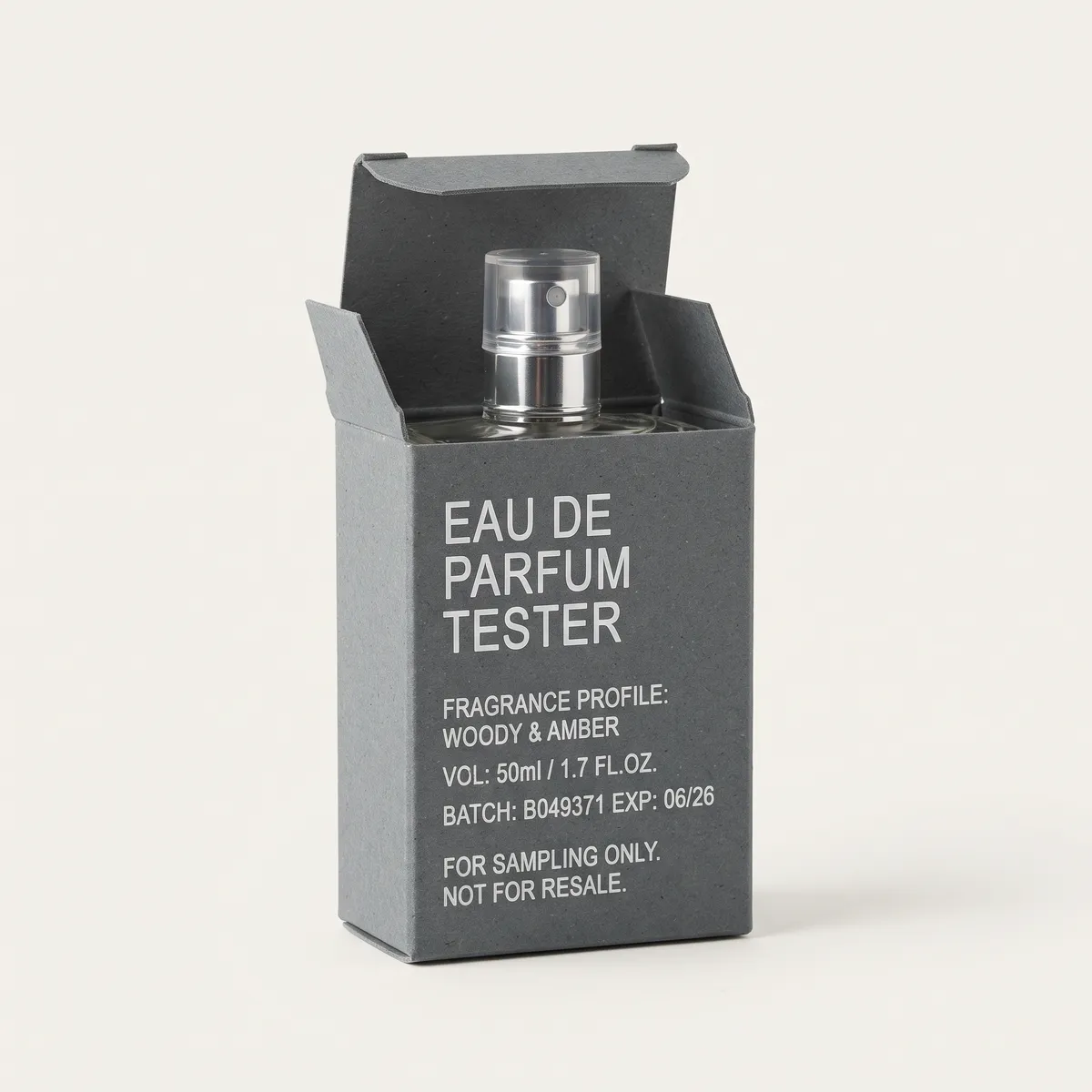
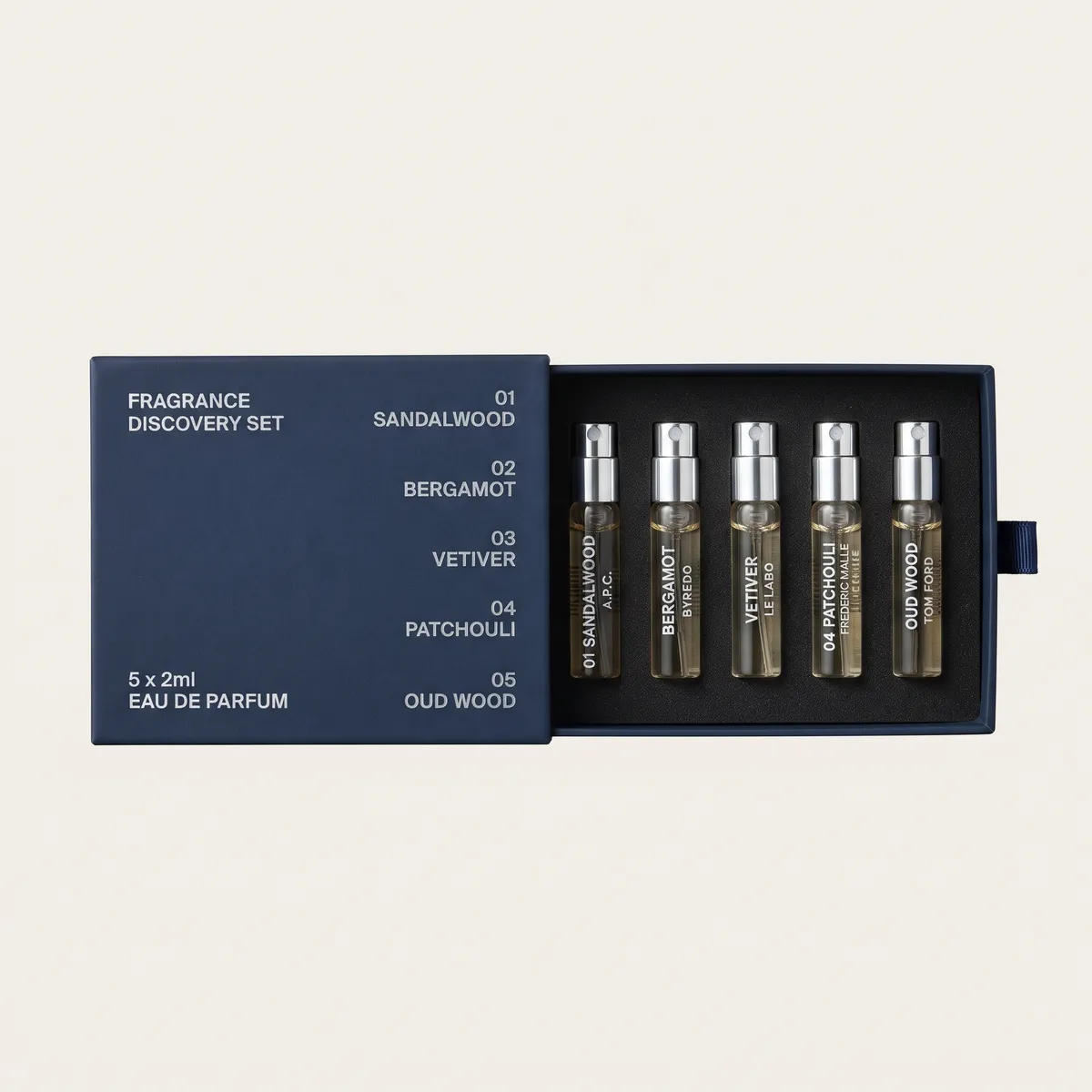
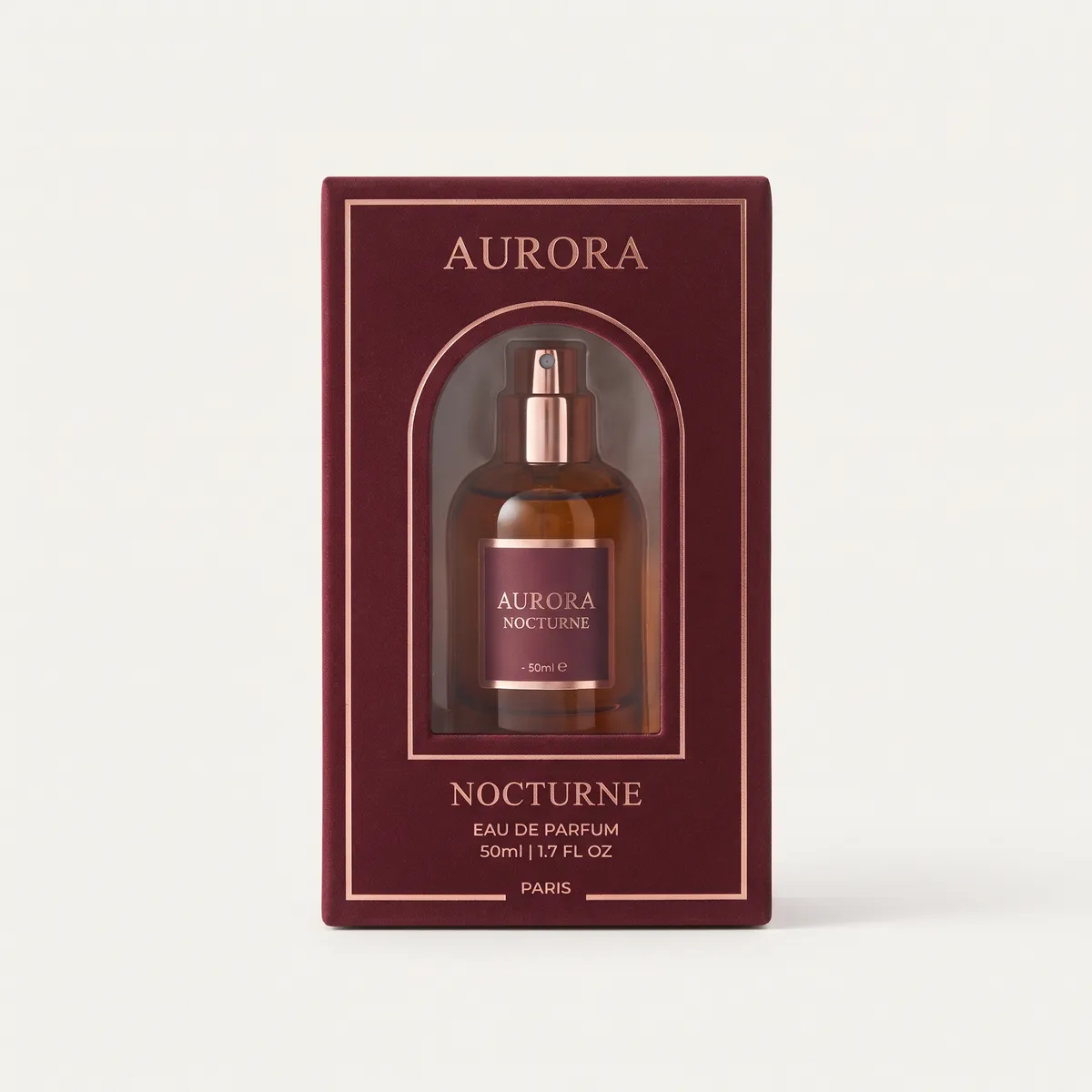
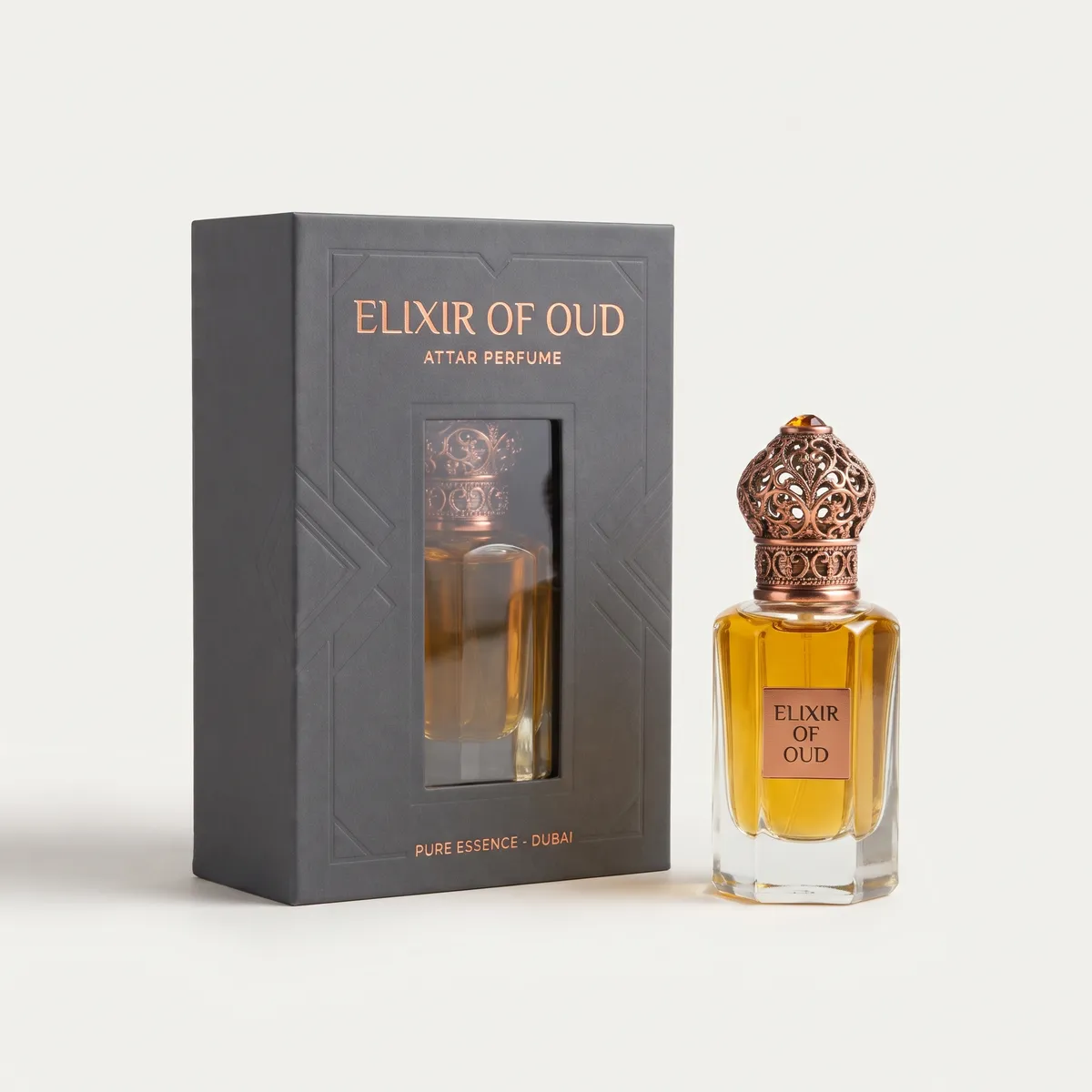
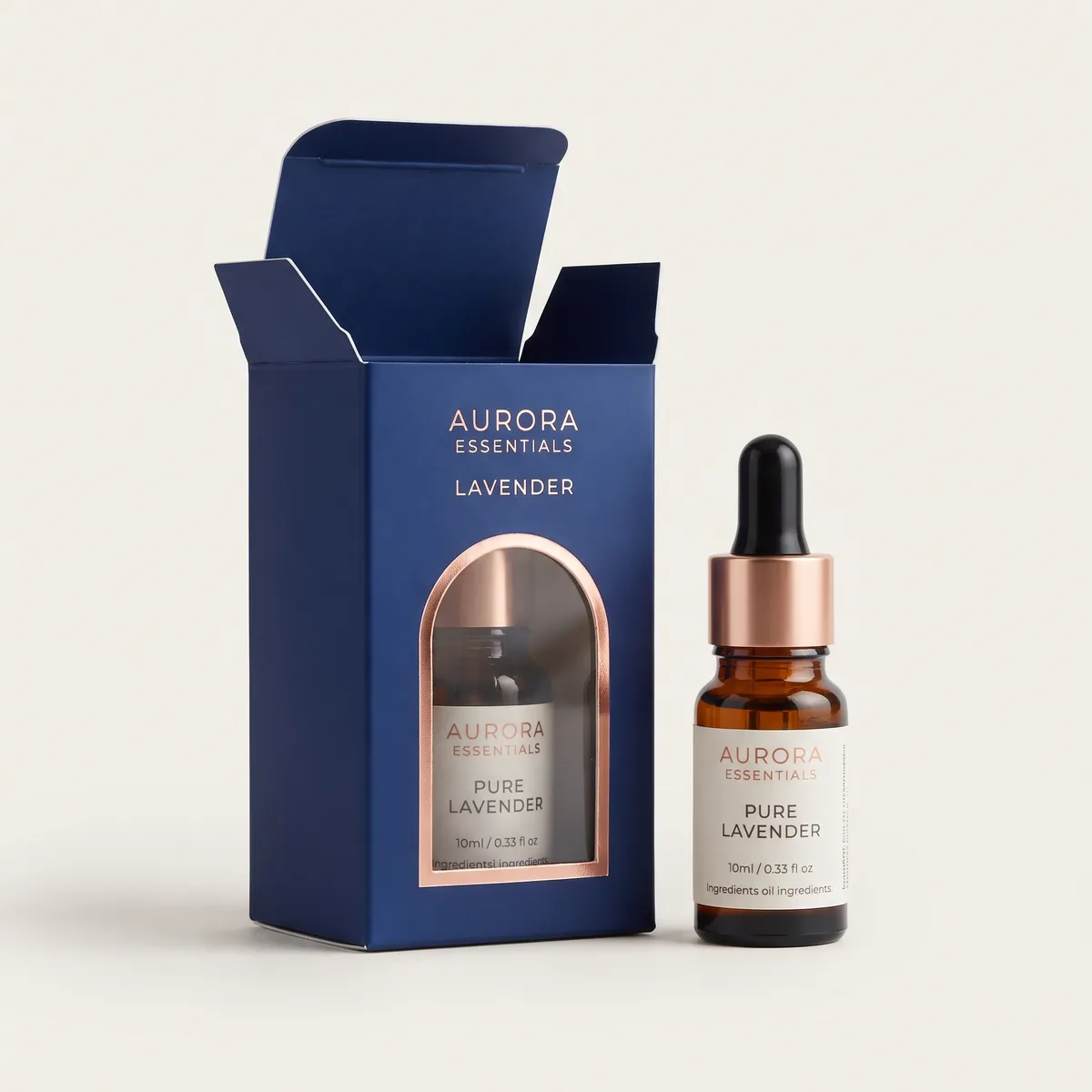
Perfume tester boxes hold vials and sprays for discovery sets, commonly six or twelve, and each vial needs its own cavity because something that small rolls and gets lost. A tray that presents vials upright can double as a counter display. Folding cartons suit sampling programs at volume; rigid suits luxury sets sold at a price. Trial runs start at 100 boxes per order.
Ours are on Trustpilot, where we can't edit them or choose which ones you see.
Read them on Trustpilot →(opens in a new tab)Four stages, twelve days
Quote confirmed
A specialist checks your spec against the board and comes back with a firm price inside 4 business hours.
Proof approved
You get a flat dieline and a 3D render. Nothing goes to press until you approve it in writing.
On press
Print, die-cut, glue, and fold. You get a press-side photo the day your job runs.
QC and delivery
Every pallet is sampled against the digital proof or physical sample you approved, then shipped with tracking to your dock or 3PL.
If a box doesn't match the digital proof or physical sample you approved, we reprint the run at no charge.
Read the reprint terms →Know exactly what you're ordering.
Tester Packaging That Sells the Full-Size Bottle
A tester box exists to sell something else: the full-size bottle. Everything about it should make each scent easy to identify, easy to try and easy to remember once the vial is empty.
The buyers are fragrance brands running discovery and sampling programs, retailers putting together their own sets, and beauty brands adding scent to a wider range. Some sell the set at a price as a product in its own right. Others give it away to win a first purchase.
That split decides the build. A paid discovery set is judged like any other fragrance box, while a giveaway is judged on cost per sample. In both cases, the label on every vial position is doing the selling.
Vial Tray and Outer Box Specs for Discovery Sets
The tray is usually a chipboard vial tray, cut to each vial or spray and set inside a folding or rigid outer.
| Spec | Perfume tester box |
|---|---|
| Tray | Chipboard, die-cut per vial or spray |
| Outer | Carton board for sampling runs; 2–3mm grayboard for luxury sets |
| Layout | Any count, laid out to your set |
| Tolerance | Around ±0.5mm |
Vials and small sprays differ in diameter even within one supplier's range, so a mixed set gets each cavity cut to the item it holds. Send diameter and height for every item, with caps or sprayers fitted. A sprayer often stands taller than a capped vial of the same diameter, and the lid depth follows the tallest item.
Why a Cut Tray Is the Right Base for a Discovery Set
A discovery set lives or dies on order. A die-cut vial tray fixes every vial in a known position, so the set always opens the same way, each scent can be labeled at its place, and the customer can work through it in sequence.
Loose vials in a pouch or an unfitted box lose that. They slide, they're hard to tell apart, and once one is taken out, it rarely goes back where it came from.
Tester boxes are commonly made with a tray for this reason, folding or rigid. The exception is a single vial sent out with an order, where a small fitted carton does the job and a tray adds cost nobody notices.
Short Digital Runs for Sample and Discovery Sets
Digital print suits most tester programs. Sets change as scents are added or retired, and digital switches between versions without new plates. Offset pays once a set becomes permanent and volumes climb.
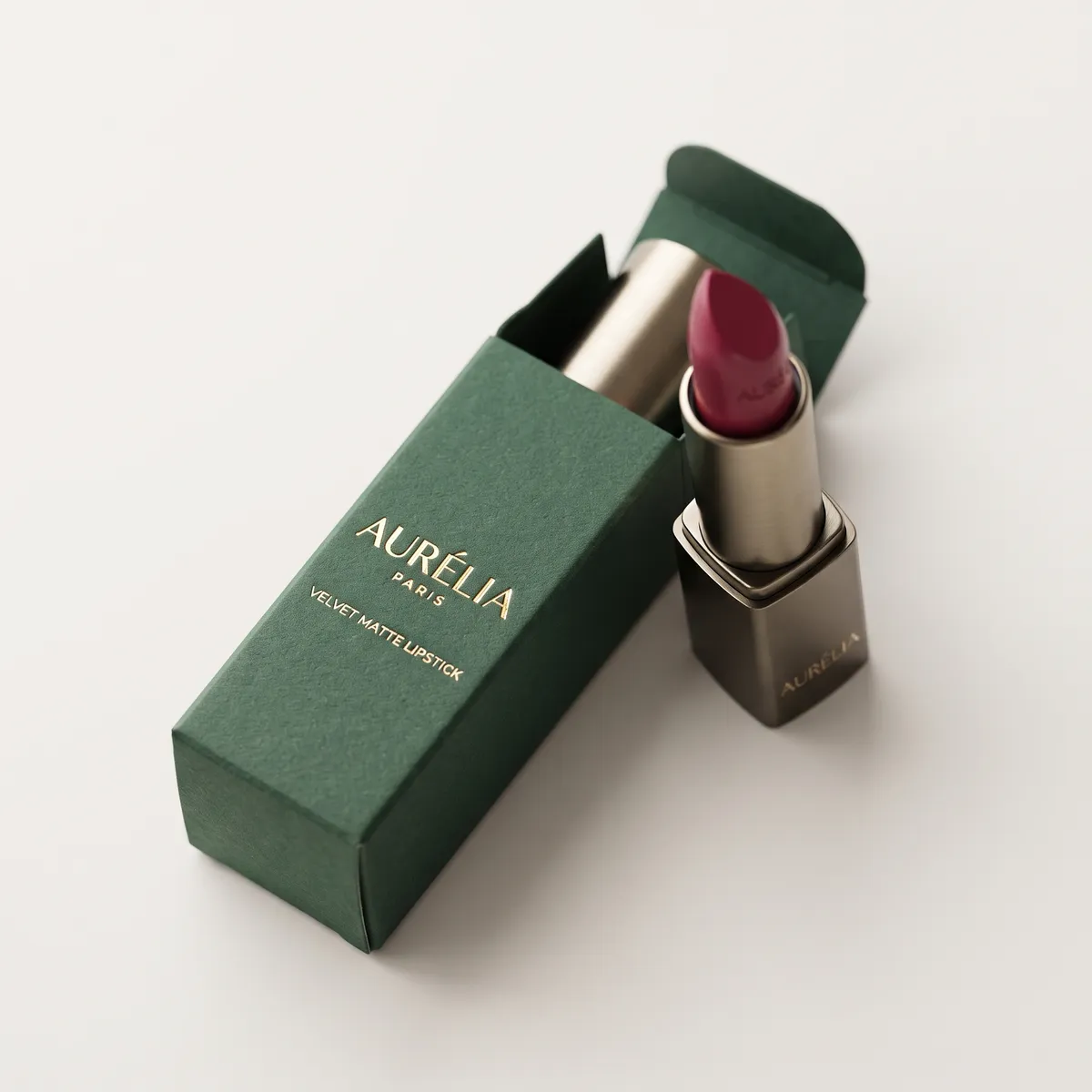
Print a scent key on the inside lid or the tray itself, naming each vial at its position. That one element does more for a discovery set than any finish. On a rigid set sold at a price, a foil mark and an emboss on the lid fit the rest of the fragrance range.
For sampling at volume, keep the folding outer to clean full-color print and skip extra finishes. The box is opened once, and the money is better spent on the number of samples you can send out.
Perfume Tester Boxes for Discovery Kits, Retail Counters and Launch Sampling
Discovery kits sold at a price are the highest-value use, and they're judged against the brand's full-size boxes. Retail staff use tester kits to let customers try a range at the counter without opening full-size stock.
Launch sampling sends a new scent, or a set of them, to existing customers ahead of release, usually as a short run. Gift-with-purchase sets ride along with a full-size order and are built to cost.
Brands that sample skincare or makeup alongside fragrance can run their beauty sampling and gift kits on related structures, so the whole program shares a look. Whatever the use, the scent key on the inside lid is what turns a trial into a purchase.
Trialing a Tester Format Before a Wider Program
Test the format before committing to a large program. A first order can be as small as 100 boxes, which is enough to put the set in front of real customers and see how the layout and scent key hold up.
Rigid sets take 20 business days from proof approval, and rush is available at an extra cost quoted upfront. Design help is unlimited and free, so changing the vial count or the tray layout between the trial and the full run costs nothing at proof stage. Every box passes a three-stage check, and if the bulk run misses your approved proof, we reprint at our cost. Shipping is included in the price, and once the program scales past 10,000 boxes, samples are free.
One connected process, start to finish.
Structural Design
Dieline drafted to your exact fit and freight tolerances.
Proof & Sample
Sign off on a digital proof, or request a physical sample.
Tooling
Dies and plates are cut for your job and archived on file.
Production
Print, die-cut, and assembly run under in-line quality checks.
Ship & Reorder
Freight goes out, and the cycle resets for your next run.
Steady process. Powerful results.
Like everything we build, our process is engineered to hold up — no shortcuts, no surprises. Five dependable stages that run the same way every single time, so reorders are just as fast as the first order.
- One dedicated teamFrom first sketch to final freight, the same people carry your order start to finish.
- Dies archived on fileReorders skip tooling and re-setup entirely — we already have your exact spec.
- Checked against your sign-offEvery run is inspected against the digital proof or physical sample you approved.
Set up your file once, correctly
Nine in ten delayed jobs are delayed by artwork, not production. Match these four rules and your proof lands the next morning.
- Bleed1/8 in (3 mm) past every cut line
- Safe ZoneKeep text 1/4 in clear of every crease
- ColourCMYK or named Pantone. No RGB.
- Resolution300 dpi at final size, fonts outlined
No print-ready file?
Send a logo and a rough idea. Our studio builds the production file free with any order over 500 units — you keep the source file either way.
Ask the StudioBackground art must run all the way to the outer bleed edge. Anything inside the white dashed line survives fold tolerance.
What brands say about this box
They live there rather than here, where we can't edit them, delete them, or pick which ones you get to see. That is exactly what makes them worth reading.
Read all reviews on Trustpilot(opens in a new tab)Answers before you have to ask.
How many testers can one box hold?
Whatever your set size, though six and twelve are common for discovery sets. Vials are small enough to roll and be lost, so each needs its own cavity rather than sitting loose in a tray.
Can tester boxes be reused for display?
Yes, and many brands design for it. A tray that presents vials upright doubles as a counter display, which gets more use from one box than a set that's opened once and discarded.
Do tester boxes need to be rigid?
Not necessarily. Rigid suits luxury discovery sets sold at a price. For sampling programs distributed at volume, folding cartons with a cut tray do the job at a fraction of the cost.
What's the lead time on tester boxes?
Folding builds take about 8–12 business days from proof approval, tray included; rigid takes 20. Rush is available on both at an extra cost stated upfront.
Can tester boxes be ordered in small runs?
Yes, from 100 boxes. Discovery and sampling sets are often trialled before a wider program, so the low minimum makes testing the format practical.