How Many Cigarettes are in a Pack? An Exclusive Guide
A pack holds 20 cigarettes in the US and a carton holds 10 packs — 200 in total. Full guide to pack sizes, box styles and country-by-country rules.

Did you ever consider how many cigarettes a pack has before buying one? It is such a simple number that speaks of a more prolific story about the rules of the packaging and the global tobacco market. What can look like an ordinary box is influenced by regulations, levies, branding strategies, and consumer preferences across different regions of the world.
This blog will analyze the different major kinds of cigarette packs, which are the soft packs, hard packs, and flip-top boxes. The form and the texture of each style are different. These differences have impacts on packaging, insulation, storage, and handling. The design of packaging alters the process of buying and using.
We will also describe the carton sizes and the number of packs that are enclosed. A standard carton consists of 10 packs, which can be equal to 200 cigarettes. This figure, however, varies in markets where the number of cigarettes in the pack is 25 or 30 rather than the normal 20. Pricing and consumer demand favor bigger packs in some countries.
It is the most common industry standard and even legal practice that governments throughout the world have innovated to standardize price, taxation, and health education.
Towards the end, you will know about measurements of a carton, pack variations, and how the pack size can influence purchasing behavior. The pack number is also significant as it relates to regulation, economics, and consumer choice in the tobacco market.
A Quick Answer: How Many Cigarettes are In a Pack?
Wondering how many cigarettes in a pack? The right answer is that a pack contains 20 cigarettes in the United States and many other countries. However, you can pack 25 to 30 cigarettes per box in Canada and Australia. You should pack the cigarettes in a box that your State allows.
What’s the Logic Behind 20 Cigarettes in a Pack?
The specific reason behind the 20-sticks in a pack is that it’s just an easy number to carry. Furthermore, it makes it easy to decide the price of a box. It also regulates the legal regulation of cigarette pack size and tax brackets for many packs of cigarettes sold around the world. Plus, 20 cigarettes come in a pack that is easy to manage for daily use. It also implies that smokers do not carry a maximum quantity of cigarettes at once. So 20 cigarettes per pack became the standard size in the USA.
What are Cigarette Boxes?
We will discuss the number of cigarettes in a pack, but it is worthwhile to consider the cigarette boxes beforehand. A cigarette box is a small rectangular box. The outer part is normally made of paperboard by manufacturers. The box is shaped and made strong with this material.
The inside of the box has a special lining. This layer is used to prevent moisture. It prevents air and humidity from coming into contact with the cigarettes. The packaging preserves flavour and freshness by limiting the moisture exposure. The design ensures that it is not damaged during storage and transportation.
Historical Overview: Evolution of the Cigarette Pack
Below is a brief overview of the evolution of cigarette packs. Have a look to understand how cigarette packaging evolved over time.
Early Packaging & Flip-Top Pack
During the initial times, the cigarettes were sold in big packs. They were packed in plain paper or foil by the sellers. The branding of the packs was not very robust. The majority of goods were simple and identical.
The first real branding came from cigarette cards. In the late 19th century, manufacturers slipped a stiffened card into the pack — partly to keep the soft paper from crushing, partly to carry a picture of a celebrity or sports player. The card was the stiffener and the advertisement at the same time, and it is the earliest example of cigarette packaging being used to sell rather than only to contain.
In 1915, cigarette packages were altered to the flip-top pack. The hinged lid enhanced storage and protection. It stored the cigarettes safely in the box. It also provided the space for printing logos, colours, and texts onto brands. Packaging was the means of protection and promotion.
Expanding Pack Variety & Designs
Cigarette pack designs have expanded with time. Hard packs were suggested by manufacturers to help packs be better organized and more durable. They started to manufacture soft packs to be more flexible and lightweight. Various consumers were satisfied with these options.
Innovation in packaging was still on the increase. Slide packs and lid-style boxes were introduced by companies. These designs made it easier, more convenient, and ensured freshness. The cigarette packaging industry continued to improve according to the changing needs of the consumer and market dynamics.
How Cigarette Pack Sizes Have Changed Over Time?
Changes in the cigarette pack sizes evolved with the changing demand and with production techniques. Consumer decisions have affected packaging decisions. Technology has made manufacturing increase production capacity. Government regulations have also influenced Pack regulations.
At the initial market, the quantity of cigarettes in packs used to be smaller. Smaller production was done in factories. The level of smoking was reduced. A smaller supply and demand were suitable for smaller packs.
Towards the middle of the 20th century, the rates of smoking rose all over the world. It was required that manufacturers have a uniform format. They made it a standard 20-cigarette pack. This amount facilitated effective production and simplified the prices. It also provided the consumers with a viable amount used on a daily basis. However, the 20-pack took a leading form over the years in most countries.
Why Do You Need to Know How Many Cigarettes are Inside a Pack?
Are you clueless about how many cigarettes a cigarette box pack contains? If yes, you won’t be able to calculate your stock accurately. Understanding how many cigarettes is crucial. It helps in stacking and managing the product stock perfectly, which is the basic need of every business. Here are the reasons why you need to know the number of cigs in a pack:
Efficient Inventory Management
Cigarette packaging boxes can be easily stored in inventories. Counting all the cigarettes can be a daunting task. So, you can count the number of cigarettes in each pack. It will help you efficiently manage your inventory.
Accurate Ordering and Restocking
You can easily streamline ordering and restocking when you know the exact number of cigs in a single packet. You won’t need to mention the gross number of cigarettes on each order. Just mention how many packets you are sending to your customers. You will just need to forward the restocking requirements to manufacturers in the number of boxes instead of cigarettes.
Minimizes Packaging and Shipping Errors
It is easier to stack and arrange boxes than individual cigarettes. When you standardize the number of cigs in a box, it helps you streamline your packaging and shipping by reducing the chances of errors.
Common Types of Cigarette Packaging Boxes

Now that you know how many cigarettes are in a cig box and why you need to know this. Let’s explore some common types of cigarette packaging boxes. The market they serve is enormous — the World Health Organization puts tobacco use at roughly 22.3% of the world’s population — and packaging has specialised accordingly. Below are the types you can consider:
Soft Cigarette Boxes
Soft packs are made of thin and flexible paper or cardboard material. This material has less weight than other options and is inexpensive. They are perfect for those who are looking for a budget-friendly packaging solution for their cigarettes.
Despite being flexible and soft, it can easily pack and bear the weight of cigarettes without any hassle. As they are flexible, they are easy to customize into your preferred shapes and sizes. As a result, you can enjoy customization options without choosing expensive or high-end packaging. The construction is also user-friendly, making cigarettes more accessible for users.
Hard Cigarette Boxes
High-end and protective cigarette packaging is made of rigid stock and thick cardboard. They are commonly known as hard cig boxes. They are well-known for their robust packaging material. It offers maximum protection from any type of damage. Many cigarettes come in these hard boxes.
No doubt, they may cost a bit more than others. However, they can help you boost your cigarette brand with a luxurious feel. These premium rigid boxes have the same capacity to store cigarettes as other options, helping you abide by the law. You can easily pack 20 cigarettes in hard cigarette packaging boxes.
Mini Packs
Mini packs typically have 10 cigarettes, and you will also hear them called kiddie packs in the trade. They are made easy to carry by manufacturers. They are small enough to fit in pockets and small bags. A lot of smokers prefer them due to their short-term usage or reduced initial price. These packages facilitate mobility and expeditious buying.
Multipacks
Multipacks consist of multiple standard cigarette packs in a single pack. They are usually sold in the duty-free and wholesale market by retailers. The average pack price is normally cheaper compared to purchasing single packs. This format helps in bulk buying and discounts on the price of regular smokers.
Different Styles of Cigarette Packaging Boxes
The number of cigs packed inside a box can be affected by the box style. Below are some common box styles that can easily pack 20 sticks in a pack and offer an outstanding unboxing experience.
Flip-Top Boxes
Flip-top pack boxes are the most popular style for cigarette packaging. These boxes feature hinged lids that offer easy access to cigarettes. It is made of rigid stock and usually holds 20 cigs.
Slide-and-Shell Box
This type of cig box is called a slide pack. It offers easy access to slide out of the inner tray. This is the best option for premium cigarette brands.
Tuck End Boxes
The tuck boxes features a flap that is tucked into the top and bottom to secure the cigarettes.
Slim Pack Boxes
Slim pack boxes are made for thinner cigarettes and have a sleek style. The balanced design is perfect to meet the needs of modern customers.
Sleeve-Slider Box
The sleeve-slider box has a drawer-type opening mechanism. The outer sleeve remains stationary. The tray that is inside slides out easily. The design provides a polished experience when unboxing it. Lots of brands incorporate it into their designs to make them meet the contemporary fashionable look. The structure also makes cigarettes stay put within their packaging.
Shoulder-Neck Box
The shoulder neck box is raised in the inside section that supports the lid. The structure enhances strength and wear. It is a standard box that brands tend to use with high-end lines of cigarettes. It normally contains fewer than 20 cigarettes. The design also increases the visual attractiveness and boosts product perception.
Length and Sizes of Cigarette Packs
There are some standard sizes of cigarettes. Have a look at them:
- A standard-size cigarette is 70 mm long, and it is known as an unfiltered cigarette.
- A king-size cigarette is 84 mm long, and it is called a filtered cigarette.
- Slim cigarettes are 97-100 mm long.
- Long-size cigarettes are 100-120 mm long.
The size of a cigarette affects the amount of nicotine and tobacco per cigarette, as cigarettes contain these elements.
| Cigarette Type | Length (mm) | Length (inches) | Common Pack Style |
|---|---|---|---|
| Standard Size | 70–85 mm | 2.75–3.35 in | Regular hard or soft pack |
| King Size | 84–90 mm | 3.3–3.5 in | Flip-top pack |
| Long Size | 100–120 mm | 3.9–4.7 in | Hard pack |
| Slim Size | 100–120 mm | 3.9–4.7 in | Slim or narrow pack |
How Many Packs Come in a Cigarette Carton?
The standard cigarette carton holds 10 packs of cigarettes, and each pack typically contains 20 cigarettes. So, each carton contains 200 cigarettes per carton. Mini cartons hold 5 packs — 100 cigarettes — for customers who want less at a time. Bulk and wholesale cartons run to 50 packs or more, though they are not a standard retail format: governments generally discourage pack sizes that encourage higher consumption. Variations occur depending on the brand and the packaging style.
On the other hand, a big pack also comes, which is a great option for wholesalers. You can choose the number of packs according to your needs.
When selling cigarettes, you have to be familiar with the number of cigarettes that can be packed in a single box. The correctness of packing helps in managing inventory. It enhances storage planning and efficiency of shipping as well.
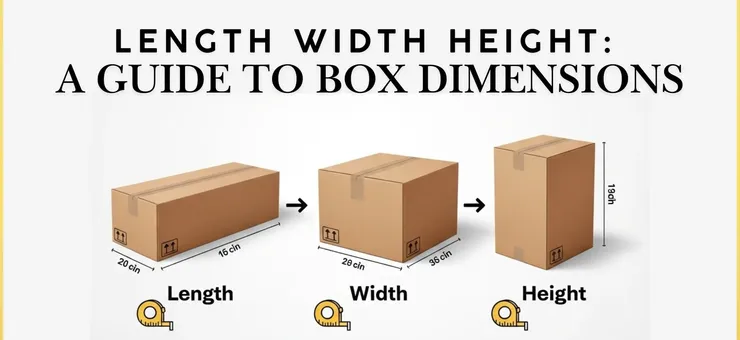
To ascertain which number to fit within a box, you need to compute the right box dimensions. The size of the box varies with the pattern of arrangement, the diameter, and the length of cigarettes.
The mean dimensions of a pack of cigarettes are approximately 3.35 x 2.20 x 0.87 cubic inches. The dimensions restrict internal capacity. Depending on the size of cigarettes and the alignment of the pack, the total number of cigarettes that can fit in a single box is typically around 30 without affecting the structure and form.
Standard Cigarette Pack Sizes Across the World
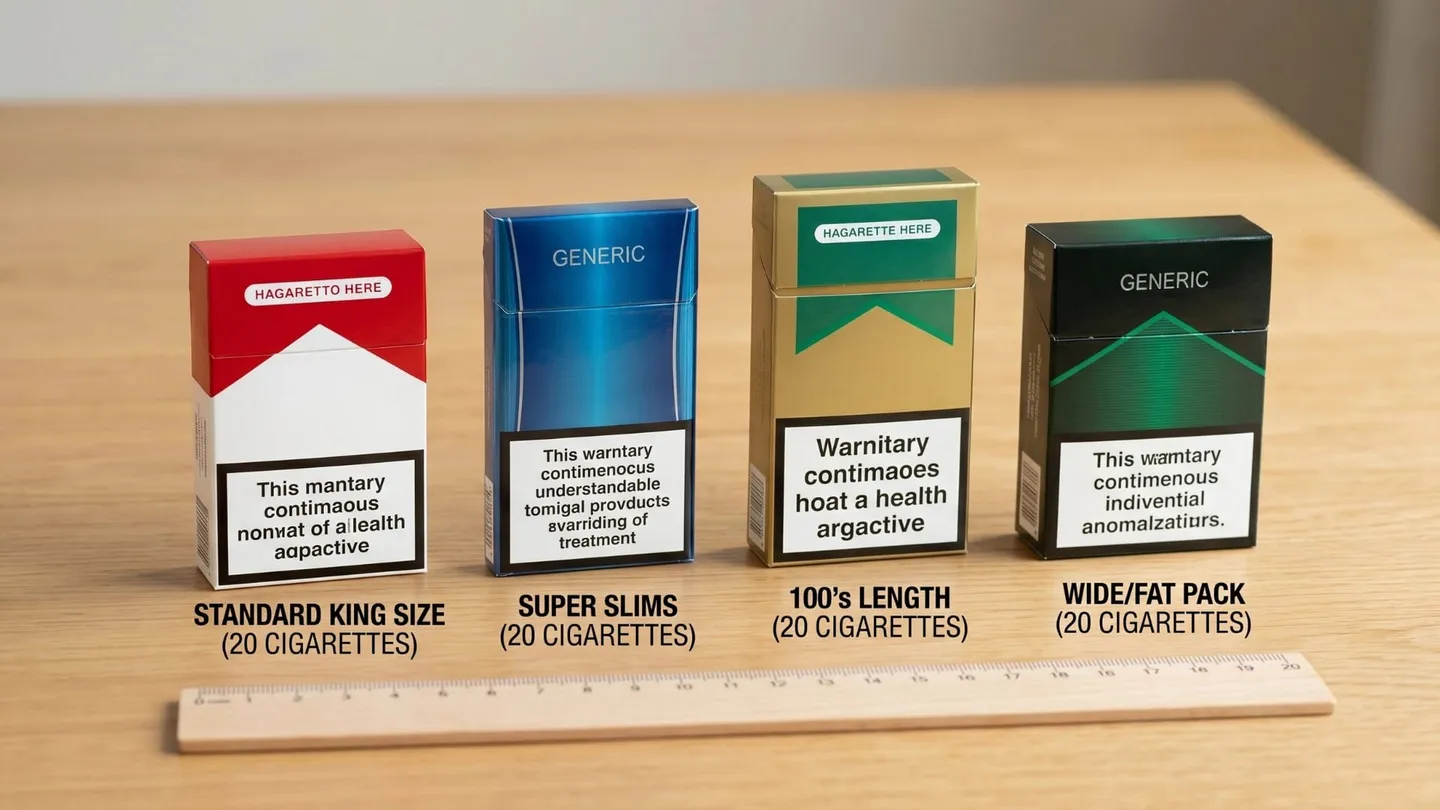
Pack size is set by national regulation far more than by brand preference, so it changes the moment you cross a border. The table below summarises the formats in common use:
| Country | Type of packaging | Number of cigarettes | Common application |
|---|---|---|---|
| United States | Standard pack, carton | 20 per pack, 10 packs per carton (200) | Retail and wholesale |
| United Kingdom | Standard pack | 20 | Regulated minimum |
| Canada | Standard, large pack, carton | 20, 25, 200 | Regular, extended, wholesale |
| Australia | Standard, large | 20, 25, 30 | Extended under local regulation |
| European Union | Standard, slim pack | 10, 20 | Budget (10s), standard (20s) |
| Thailand | Standard | 20 | Plain packaging enforced |
| Brazil | Standard | 20 | Regular |
| Turkey | Standard | 20 | Regulated |
| South Africa | Standard | 20 | Regular |
| Russia | Standard | 20 | Common |
| India | Standard | 10, 20 | Budget and regular |
| China | Standard pack, carton | 20, 100 | Retail and wholesale |
| Japan | Standard | 20 | Most common |
Legislative Guidelines for the Number of Cigarettes in a Box
A cigarette box may physically hold up to 30 cigarettes. It depends on the legal regulations that determine the number of legally saleable packs. To manage the taxation policy and sales, governments fix the minimum quantity or fixed pack size.
The federal law in the United States indicates that at least 20 cigarettes should be in a pack. Packs with fewer than 20 are not allowed. Manufacturers in Canada and Australia usually offer 25 cigarette packs. There are instances where the Australian packs can hold up to 30, though they vary as per the brand format.
When the decision on the amount of the pack must be determined, you must not ignore the state or national regulations. Failure to do so may result in fines and the marketing of products.
Pack Sizes of Cigarettes Used in Various Countries
Different countries have different pack sizes depending on their laws, prices, and consumer demand.
United States:
20 cigarettes per pack. The overwhelming, legally-mandated minimum.
Australia:
25 cigarettes per pack is typical. There are also bigger formats like 30.
Canada:
Cigarette packs of 20 and 25 are often found.
Many Asian Markets:
Packages typically include 10, 20, or 25 cigarettes, depending on local legislation and buying power.
Despite using a 20-cigarette pack as a standard worldwide, the physical size of packs varies by region. These variations are influenced by culture, taxation, and policy on public health.
What Are the Standard Regulations for Cigarette Box Sizes?
There are a few points to consider to resolve the issue regarding cigarette pack size. Have a look at them:
- There is a relation between the pack size of 20 cigarettes and the price of cigarettes. The simple strategy to maximize profit in the cigarette industry is to reduce the packaging size and increase the price. This affects the affordability and accessibility.
- Reducing the width and length of cig boxes minimizes the smoking rate. Because it goes over budget for many people.
- Brands use unique packaging to promote themselves. However, in most countries, the packaging and designs of cigarettes are strictly regulated.
- Australia was the first to introduce plain packaging laws in 2011. Many other countries around the world, such as the UK, Canada, and France, followed the same rules in the following years.
Regulations of Cigarette Pack Size
Many governments control the size of the pack of cigarettes to control prices, curb smoking habits, and elude commercial influence. The number of packages influences the cost, availability, and perception towards consumption.
Regulating Pack Sizes to Prevent Price Manipulation
The pack size has an impact on price visibility. The tobacco firms can alter the number of cigarettes to cushion the effects of the tax increase. The product can be reflected as being cheaper in smaller packs or irregular packs. Governments can establish minimum sizes of packs in order to decrease the underhanded price changes and enhance transparency.
Management of Pack Sizes to Minimize Smoking Rates
Other policymakers advocate standard packs or smaller ones to reduce the level of smoking. The concept is based on reducing consumption with each purchase. Nonetheless, the evidence is still conflicting. The evidence has not always shown that decreasing the pack size brings about long-term quitting.
Packaging Restrictions to Reduce Product Appeal
Quite a few countries implement both plain packaging and pack-size regulation. In the year 2011, a few governments limited the use of logos, colors, and graphic branding. Such regulations decrease the visual value and decrease the marketing strengths. Packaging control has been transformed into a policy tool of public health.
How Packaging Dimensions Influence Cigarette Brands?
There are some unique cig box dimensions, such as king size or slim style. The unique style shows the uniqueness of a brand. The dimension of a box determines how easily you can carry it in a bag or a pocket. It also affects how conveniently the cigarettes can be accessed. The size and design of the box matter to customers. For example, some designs, like slide and shell style packaging, are easier to open. Choosing the right dimensions is crucial in building a strong brand reputation.
Standard Cigarette Pack Dimensions of Popular Brands
Brands differentiate themselves with different box dimensions. Some of the examples are:
- Marlboro (85mm x 55mm x 22mm)
- Dunhill (85mm x 55mm x 23mm)
- Camel (84mm x 54mm x 22mm)
The above sizes are the most common in many of the best cigarette brands. A quick look at different brands' pack dimensions, given on the cig box itself, may give clarity to how different sizes are applied. Though it might seem like a minor detail, it is often very useful to see packaging like this on a bigger scale
Cigarette Length & Size
Cigarettes are available in various lengths and formats. Brand strategy and market demand tend to be determined by size. The length influences the pack design and duration of smoking.
Standard Size
A normal cigarette is normally between 70 and 85mm. This is approximately 2.75 to 3.35 inches. Numerous conventional brands utilize this format. It can be easily packed in normal hard or soft packs.
King Size
King-size cigarettes are a bit longer in comparison with regular types. Their length ranges from 84 mm to 90 mm. That is approximately 3.3-3.5 inches. This is the most common size that was popularized on the world markets.
Long Size
Long cigarettes are between 100 mm and 120 mm. That is approximately 3.9 to 4.7 inches. The additional length forms more time to smoke. Long cigarette packs need a greater vertical space.
Slim Size
Slim cigarettes usually have a length that is equal to or slightly less than long, 100 mm to 120 mm. They have a smaller diameter compared to normal cigarettes. The narrow form alters the looks and package design. This format is provided by brands that aim to reach certain consumer segments.
Uncommon Cigarette Pack Sizes
20 cigarettes in a pack are common. However, the number of cigarettes in a pack varies, too. Below are some uncommon cigarette pack sizes:
10-Cigarette Packs
Not all packets of cigarettes are 20. Some contain fewer cigarettes, like less than 20 cigarettes. In a few other countries, some brands sell packs containing 10 cigarettes. These light packs are for light smokers or those who have a lower consumption. They are also less expensive, proving to be an affordable option for many buyers. Some companies may choose to use these packs when they have promotions or product launches.
Small packs should be easy to carry and can simply be kept in pockets or bags. In a market landscape in which the customer desires to have a low-cost one, these packs are still in demand. They also provide brands with more options amongst various packaging styles and price points.
25-Cigarette Packs
There are packs with 25 cigarettes that can be found in countries such as Australia. Regular smokers often choose these packs when they wish for a greater number of cigarettes in a pack. Sometimes a bigger pack is cheaper per cigarette, which means with an additional volume discount, you'll be able to save money.
They are also a popular choice among many, as they help minimise often recurring purchase requirements. Bulk-style cig boxes are perceived as useful in numerous marketplaces. They also contribute to the presentation of more value to the brands without compromising on the charm and usability of the package.
What Factors Affect Cigarette Box Size?
Certain factors affect the dimensions of the cig box. Here are a few factors for you to consider:
Economic Considerations
Economic factors also affect the number of cigs in a box. These factors include production costs and pricing strategies. Large packs need more material. So they potentially cost more to produce. But they tend to be more cost-effective per cigarette. You can also attract price-conscious users by offering a smaller pack at a lower price.
Market Demand
Smoking habits and cultural preferences also play a crucial role. They also affect how many cigarettes are inside a pack. For instance, the most common cigarette pack contains 20 cigs in America. While other sizes like slim packs and 100s exist. However, a 20-cigarette pack is the most common and standard in the American market.
Government Regulations
Many countries have mandated health warnings on cigarette packaging. They control almost 50 to 60% of cigarette packaging. This action is necessary to lower the negative health impacts of smoking. That is why the US federal government mandates 20 cigarettes in a cigarette pack. This standard size ensures uniform pricing and packaging.
Marketing & Economic Considerations for Cigarette Box Packaging
Below are the factors that affect cigarette box packaging in terms of marketing and economic considerations.
Production Cost
The number of cigs in a box varies depending on a number of factors. These factors include, but are not limited to, economic factors, production costs, taxes, and consumer preferences. Smaller packs may be more appealing to those who do not use the product as often.
On the other hand, larger packs offer significant cost savings. The size (the number of cigs packed together) depends on the material and manpower price for cigarette manufacturing. A big carton is more economical when ordering in bulk.
Taxes
Taxes on cigarettes are usually levied per pack. This can affect your opinion of the best size to use for packs. As a matter of fact, a bigger pack size may be cost-effective because of the application of the taxes.
Consumer Preferences:
Smoking preferences and habits also influence this. Others like to use bigger packs that will be easier to move about. On the other hand, others might like smaller packs to control their tobacco and nicotine consumption or due to budget limitations.
What Is The Cost Of a Packet Of Cigarettes?
You can calculate the exact price of each cigarette by understanding the number of cigs in a pack. For example, the average price of a cigarette packet is around US$ 8. It means that a pack of 20 will cost around US$ 0.40 per cigarette. The cost of a cigarette depends on various factors such as production expenses, quality of cigarettes, and government taxes.
The major determinants of price are raw material, labor cost, packaging, and shipping costs when it comes to production. The quality of raw materials also affects the overall price. Government taxes are also applied, which add to the overall cost.
Benefits of Buying Cartons of Cigarettes in Bulk
For people who are regular smokers, it is economical and advantageous for them to purchase cartons of cigarette boxes wholesale. Bulk packages will also ensure a constant supply. It will also prevent you from running out of money when needed. An additional advantage is that by buying in bulk when prices rise, you'll be able to realize greater profit. Lots of consumers and retailers are receiving discounts for bulk orders. This is good from the perspective of cost for both the users and the sellers. It is also budget-friendly to ship your cigarettes wholesale.
Future Trends in Cigarette Packaging
The environment, legal, and market forces continue to influence changes in cigarette packaging. New demands make brands make changes to materials, design, and technology.
Sustainable Packaging
The paperboard and other biodegradable materials used by many companies are recyclable. These materials lessen the impact on the environment. Reduced-weight packaging reduces waste and enhances the efficiency of transport.
Customizable Pack Sizes
Other markets can shift towards flexible amounts of packs. The individual consumption habits can be matched by using personalized pack sizes. In most countries, regulations will continue to restrict minimum pack sizes.
Smart Packaging Features
QR codes and digital tags are used to convey product information to the brands. These characteristics include health warnings, authentication devices, and promotions. Smart objects enhance the interaction and traceability.
Bare and Regulatory-Compliant Style
Plain packaging laws are still in place by governments. Big health warnings and fewer brand images are currently prevalent in most markets. Design basicness promotes community health policies.
Limited and Premium Packs
In spite of stringent regulations, brands have limited issues. Such packs cater to niche groups and cultural occasions. Exclusivity is ensured in the premium structure and controlled branding.
Exclusive Add-ons
Manufacturers offer die-cut shapes and window-cut designs. Shelf presence is boosted by foil stamping, embossing, and metallic labels. These attributes enhance product differentiation.
Premium Coatings & Finishings
The finishes available are spot UV, varnish, aqueous coating, and soft-touch finishes. These finishes safeguard the box and enhance its longevity. Powerful packaging maintains the freshness of cigarettes.
Child-Resistant Lock System
Certain packs contain locking measures to ensure children cannot access them. These processes enhance compliance with safety. Laws in controlled markets are also backed by secure closures.
Where to Find High-Quality Cigarette Packaging Boxes?
If you're searching for a packaging company that can personalize your cig box in a reliable way, you have found the ideal company. When you need it, the only place to turn is to Packaging Hippo for high-quality packaging solutions at a low, reasonable price. With us, you will be able to experience an unlimited number of customization options so that you receive the perfect boxes to hold 20 cigarettes safely. Design the shape, sizes, and prints of cigarette boxes that suit your preferences.
FAQs
How many cigarettes are in 1 pack?
A standard pack of cigarettes contains 20 cigarettes. It is commonly found among different cigarette manufacturers and is a regulated size in the US.
Are there 30 cigarettes in a pack?
In some countries, like Australia, there are cigarette packs with 30 cigarettes. They are meant for users who prefer to purchase heaps at a time because of a lower price per cigarette.
How many cigarettes are in a Marlboro pack?
A standard packet of Marlboro cigarettes has 20 cigs. This 20-count is the standard, and it is the most popular format for the brand in the US, UK, and many other countries.
Is 20 cigarettes a day heavy?
Heavy smokers usually consume at least a pack of cigarettes (20 cigarettes) a day. It puts them at a higher risk for health issues. It also makes it harder to quit.
How many cigarettes are inside a pack of Dunhill?
In a packet of Dunhill, there are usually 20 cigs.
Why are there 20 cigarettes in a pack instead of 15?
Twenty is a strategic number rather than an accidental one. It is a day's supply for a regular smoker, it is compact enough to carry, it lands at a price point that works for both the retailer and the buyer, and it is the figure health regulators have standardised around — which makes taxation and advertising rules simpler to enforce.
Are 25-cigarette packs available on the market?
Yes, but they are not standard. They are common in Canada and Australia and rare elsewhere, and they are considerably less popular than the 20-count pack even where they are sold.
Can cigarette packs go stale or lose freshness over time?
Cigarettes carry no fixed expiry date, but the packaging decides how long they hold their flavour. A soft pack exposed to moisture, dust or heat will let the tobacco dry out or absorb odours, and the smoke tastes flat as a result. This is the practical argument for a lined hard pack: the foil or laminate barrier is what keeps humidity away from the tobacco, and it is why a brand that cuts cost on the liner usually hears about it from customers.
What is a 10-pack of cigarettes called?
It is usually called a carton. A carton of cigarettes contains 10 packs. So there are 200 cigarettes in total in a carton. Some cartons contain twenty packs, so having a total of 400 cigarettes.
Conclusion
Hopefully, now you know how many cigarettes are in a pack. We have also talked about the number of packs of cigarettes in a carton. Simply, there are 20 cigarettes in a pack, and each carton contains 10 packs. So, a cigarette carton contains a total of 200 cigarettes. But are there still questions swirling in your mind regarding pack size and price? Call or email our customer service. You can also contact us to receive a Custom quote for your cigarette boxes instantly!