A Complete Guide to Labelling and Packaging Injectable Medicines Safely
Discover essential guidelines for safely labeling and packaging injectable medicines to prevent errors, ensure quality, and protect patient health.
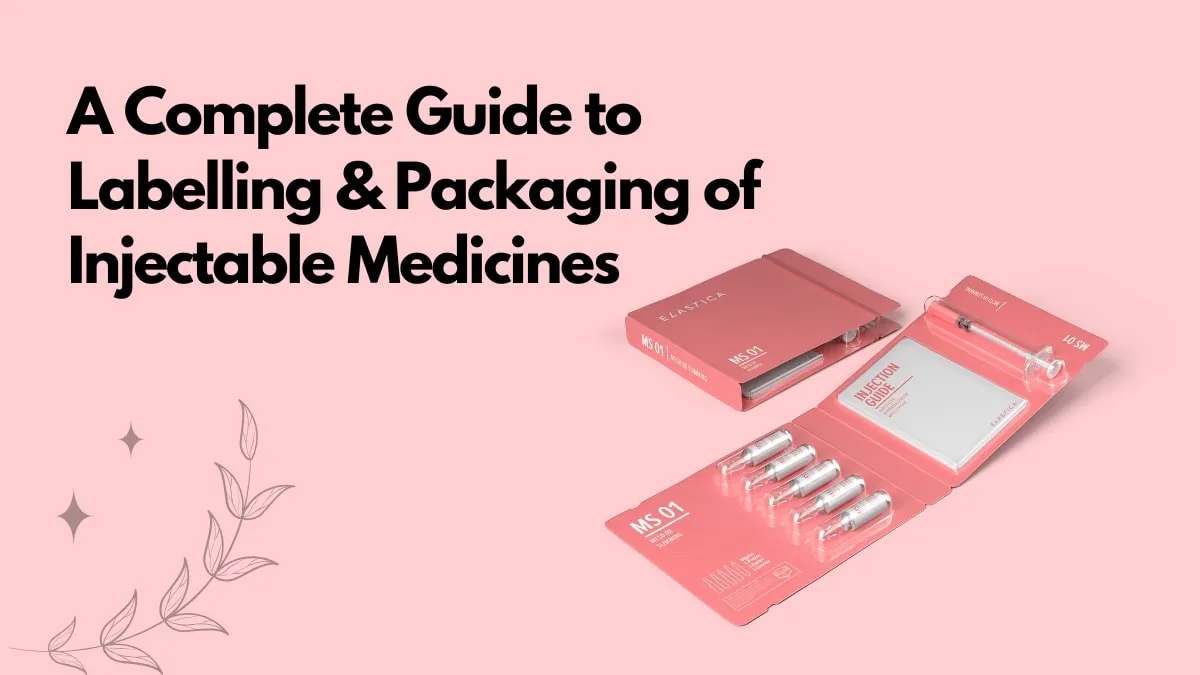
The current healthcare system depends heavily on injectable medicines. They are helping with treating major, pressing medical issues. Via a needle, these medications enter the body directly.
They must be treated carefully. Safety depends much on good labeling and packaging. It helps avoid mistakes, protects the medicine, and guides users.
This blog explains how injectable medicines should be labeled and packaged in the right way.
Understanding of Injectable Medicines
Medications known as injectables are those injected using a needle. Usually, they are injected into the body by vein, muscle, or skin. They operate quickly as they enter the body.
Doctors and nurses especially find them to be quite helpful in hospitals. Among other medical conditions, many individuals use them at home for diabetes and allergies.
Why Is It Important to Label and Pack Injectable Medicines Properly?
The proper labeling and packaging ensure patients’ safety. The label clarifies the nature of the medication and its application technique. The packaging protects the medication from harm, dirt, or heat.
The mistakes in labeling or packing could cause major consequences. Patients can obtain the wrong medicine or even the wrong dosage. Strong packaging and proper labeling are really important.
What Information Should Be on the Label?
The label on injectable medicine must be clear and correct. It helps doctors and nurses use the medicine safely. So, here are some things you should add on the label:
Name and Strength of the Medicine
The label should display the common name of the medicine together with the brand name. It should also note the strength, perhaps 100 mg or 500 mg. This helps in giving the right dose.
Dosage Instructions
It must clearly say how much to use and how to use it. For example, “Inject slowly into the vein” or “Use one vial per day.” This avoids confusion and mistakes.
Expiry Date and Batch Number
The date of expiry shows until when using the medication is safe. If a problem or recall occurs, the batch number helps to monitor the products. Safety depends much on these few elements.
Manufacturer Details
The label should carry the manufacturer’s name and phone number. This helps if there are any questions or problems with the medicine.
Storage Guidelines and Warnings
It should say how to store the medicine. As an example, “Keep in a cool place” or “Do not freeze.” It also has to warn readers of things like “Keep out of reach of children” or “For single use only.”
Types of Labels for Injectable Medicines
There are different types of labels used. Primary labels are on the actual vial or ampoule. These give the most important details. Secondary labels are found on the outer box. They give extra information like full directions or safety tips.
Some labels are removable. These can be placed in patient records for easy tracking. Color-coded labels are also used in hospitals to avoid mistakes during emergencies.
Mistakes That Can Happen Without Proper Labelling
If the label is missing or hard to read, many mistakes can happen. A nurse might give the wrong dose. A doctor may confuse two similar-looking medicines. The patient might be allergic to the medicine.
Without the label, no one will know. Poor labeling can even cause life-threatening reactions. That’s why it is very important to label every injectable medicine properly.
Packaging of Injectable Medicines
Packaging is important to protect injectable medicines from damage. The medicine must stay clean and safe until it is used. Packaging also helps with transport and storage.
If the packaging is poor, the medicine can get contaminated. Good packaging keeps the medicine strong, stable, and ready to use. It should be sealed properly and easy to handle.
Types of Packaging for Injectables
- Glass Vials
Glass vials are small bottles used to hold injectable medicines. They are strong and do not react to the medicine. These can hold single or multiple doses. They must be sealed tightly with a rubber cap and an aluminum ring.
- Ampoules
Ampoules are sealed glass containers used for one-time use. You must break the neck of the ampoule to use the medicine. Once opened, the medicine must be used immediately. They are used when only a small amount of medicine is needed.
- Ready-To-Use Syringes
Syringes that have already been filled are ready-to-use injections. The medication resides inside the syringe. This lowers the possibility of mistakes. They save time and are really simple to operate. Both at home and in hospitals, they are very common.
- Plastic Containers
Some injectable medicines are stored in plastic containers. These are not heavy and hardly break on their own. They are used in emergency kits and for travel. New types of plastics are also used to keep the medicine safe.
- Outer Cartons
Outer cartons hold the vial, ampoule, or syringe. They protect the container during shipping. These boxes are usually made of strong cardboard. Labels on these boxes help in identifying the product quickly.
Why Good Packaging Matters?
Good packaging is not just for looks. It protects the medicine from germs, heat, and light. This keeps the medicine safe during transport. It also helps store the medicine properly.
When the packaging falls apart, the medication may not be as effective. Unsuitable packing could create health hazards. That’s why companies must use strong and safe materials for packaging injectable medicines.
Legal and Safety Rules
There are strict laws for labeling and packaging injectable medicines. Government authorities check labels and packaging in several nations before a product is placed for sale.
These cover EMA in Europe and the FDA in the United States. Businesses have to carefully stick to these guidelines.
Labels must be easy to read and give correct information. Packaging must be sealed and safe. If rules are broken, the medicine may be banned or recalled.
Smart Packaging Technologies
New technology is making packaging even better. Some companies use QR codes on boxes. Scanning the code gives more information about the medicine.
Some packages have temperature sensors. These tell if the medicine got too hot or too cold. Smart packaging helps track the medicine and stops fake products. It adds extra safety for patients and healthcare workers.
Safety Checks Before Use
Before using any injectable medicine, some safety checks are needed. First, check the label to make sure it is the right medicine. Also, check the expiry date.
Check the packing for damage and sealing ethics. Do not use the liquid if it seems hazy or contains particles. Always read the storage instructions. These small checks help avoid big problems.
The Future of Labelling and Packaging
Labeling and packaging’s future is turning smarter and safer. The companies are developing environmentally friendly packaging techniques. Digital labels and smart codes will help in tracking the product.
Hospitals will use automated systems to scan and store label data. This progress will help to make injectable medications more effective and safe. In the years to come, technology will play a big role.
Why Packaging Hippo Is the Smart Choice for Your Injectable Medicines?
Packaging Hippo is a reliable company that knows how to pack injectable medicines safely. They use strong materials and follow all safety rules.
Their labels are clear, easy to read, and always accurate. They offer smart packaging options like QR codes and sensors. Their team checks each product carefully.
Many hospitals and pharma companies trust Packaging Hippo. They are the best option if you need modern and safe packaging.
Conclusion
The safety of patients depends much on the injectable medicine’s labels and packaging. They enable nurses and doctors to provide the correct medication.
They protect the medicine from damage and germs. Proper labeling gives clear instructions. Good packaging keeps the medicine strong and clean.
Companies must follow legal rules and use new technology. With smart steps and good care, we can avoid mistakes and save lives. Always choose trusted packaging services for the best results.